
Rice and diabetes are often closely linked when planning meals that support healthy blood sugar levels. Rice is a dietary staple around the world, but for people with diabetes, it can raise important questions: how much is safe, which types are better, and how can rice fit into a glucose-friendly meal plan? Understanding how rice and diabetes interact is essential for enjoying this beloved grain while maintaining stable blood sugar. Whether you’re managing type 1 diabetes, type 2 diabetes, or prediabetes, the type of rice, portion size, and what you eat alongside it all matter.
How Rice Affects Blood Sugar Levels
Rice consists mainly of carbohydrates, which the body converts into glucose. This naturally causes blood sugar to rise after a meal. The extent to which this happens depends on the rice’s glycemic index (GI)—a measure of how quickly a carbohydrate-rich food raises blood glucose. High-GI rice types, like white jasmine or sushi rice, often exceed a GI of 70, which can cause rapid spikes in blood sugar.
Frequent spikes can contribute to insulin resistance, fatigue, and long-term complications such as cardiovascular disease. Tools like continuous glucose monitors (CGMs) or fingerstick testing reveal how your body responds to various kinds of rice. For instance, some people observe post-meal spikes as high as 30–50 mg/dL after eating white rice—especially when it’s not paired with fiber, protein, or healthy fat.
Other factors like portion size, meal composition, and even a short 10-minute walk after eating influence the impact of rice. Strategic food pairing and simple activity can help mitigate post-meal glucose increases, making rice more blood sugar-friendly.
Better Rice Options for Blood Sugar Control
When navigating rice and diabetes, it’s important to focus on rice varieties that have a lower glycemic index and higher nutritional value. These alternatives digest more slowly and provide fiber, helping regulate glucose responses.
- Brown Rice: This whole grain keeps its bran layer, offering more fiber and a GI of around 50–55.
- Basmati Rice (Especially Brown Basmati): Longer grains and slower digestion make this a favorable option with a GI near 50–58.
- Wild Rice: Technically a grass, wild rice is packed with antioxidants and has a GI of approximately 45–53.
- Black (Forbidden) Rice: Rich in anthocyanins and fiber, it has a moderate GI ideal for small portions in balanced meals.
- Parboiled (Converted) Rice: This minimally processed rice retains nutrients and typically measures about 50 on the GI scale.
Choosing lower-GI options helps reduce blood sugar spikes and enhances satiety. For example, swapping a cup of white jasmine rice with brown basmati not only lowers your glycemic load but also provides more lasting energy, thanks to fiber and protein.
Mindful Portion Sizes Matter
Effective management of rice and diabetes begins with portion control. Many people serve large amounts of rice without realizing that extra carbs can lead to sharp glucose elevations. A standard serving of cooked rice is 1/3 to 1/2 cup, containing about 15 to 22 grams of carbohydrates—an amount that fits well into balanced meal plans.
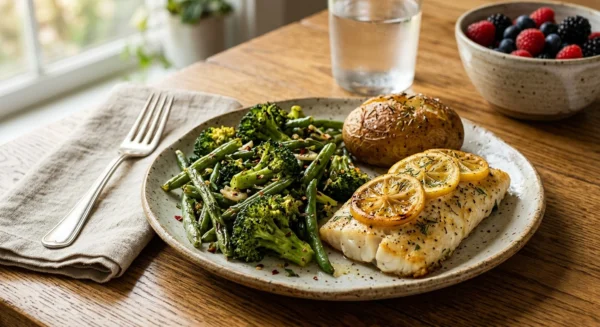
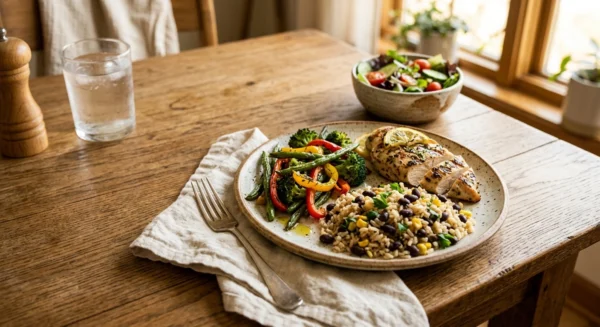
Helpful tools include measuring cups, hand estimates (a half cup equals the size of a cupped palm), or tracking apps like MyFitnessPal. The “diabetes plate method” also makes meal planning easier: fill half the plate with non-starchy vegetables, a quarter with lean protein, and the remaining quarter with starches like rice.
Combining rice with protein, fiber, or healthy fats slows digestion, moderates the impact on blood sugar, and improves fullness. For instance, pairing 1/2 cup of brown rice with grilled salmon and steamed spinach drizzled with olive oil results in a balanced, satisfying dish. In contrast, 1.5 cups of white rice with fried tofu might spike glucose significantly.
Low-Carb Alternatives to Rice
For some people, consistently high glucose readings may prompt a search for rice substitutes. Since rice holds cultural significance in many cuisines, the goal is to reduce overall blood sugar burden without abandoning tradition. Incorporating alternatives a few times per week can support better glucose control and dietary variety.
- Cauliflower Rice: This low-carb option contains just 4–5 grams of carbs per cup and is high in fiber and vitamin C.
- Quinoa: A protein-rich pseudo-grain that offers about 39 grams of carbs per cooked cup and provides lasting energy.
- Freekeh and Farro: High-fiber ancient grains that work well in grain bowls or whole-grain pilafs.
- Barley: With GI values as low as 28, barley is high in beta-glucan fiber that supports digestive and metabolic health.
- Shirataki Rice: Made from konjac yam, this rice alternative is virtually carb-free and highly beneficial for carb-sensitive individuals.
Mixing alternatives like cauliflower rice with traditional brown rice allows you to stretch flavor while lowering carbs. For example, a curry served over half brown rice and half cauliflower rice helps balance tradition and blood sugar goals.
Track Personalized Responses to Rice
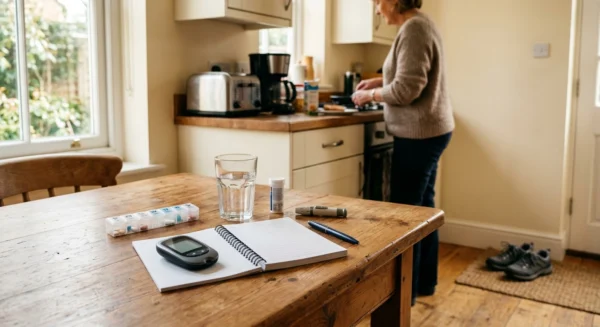
Not everyone experiences the same blood sugar response to rice. Even within the same rice type, individual glucose reactions may vary. Monitoring tools like CGMs or structured self-testing can provide insight into your own patterns. One person may tolerate sushi rice with exercise and medication, while another may see elevated levels lasting hours.
Working one-on-one with a registered dietitian or a certified diabetes care and education specialist (CDCES) can help find your best options for rice and diabetes. Healthcare professionals offer support with carb targets, pre-meal insulin strategies, and food combinations personalized to your cultural practices and metabolic needs.
Digital apps such as MySugr, One Drop, and the Dexcom companion app can track meals and glucose trends. Over time, these tools connect your rice choices to mood, energy, sleep, and physical activity—for a more holistic understanding of your unique diabetes picture.
Smart Ways to Enjoy Rice with Diabetes
Giving up rice entirely isn’t necessary for most people with diabetes. With smart portioning, careful pairing, and the right rice varieties, you can enjoy rice while maintaining healthy blood sugar levels. The key is choosing lower-GI grains, practicing moderation, and leveraging substitutes when needed.
The relationship between rice and diabetes is about flexible, informed choices. Whether you’re savoring a cultural favorite or preparing a weeknight dinner, combining mindful habits with realistic options helps maintain balance. With the right tools and strategies, rice can remain a flavorful part of your healthy eating journey.