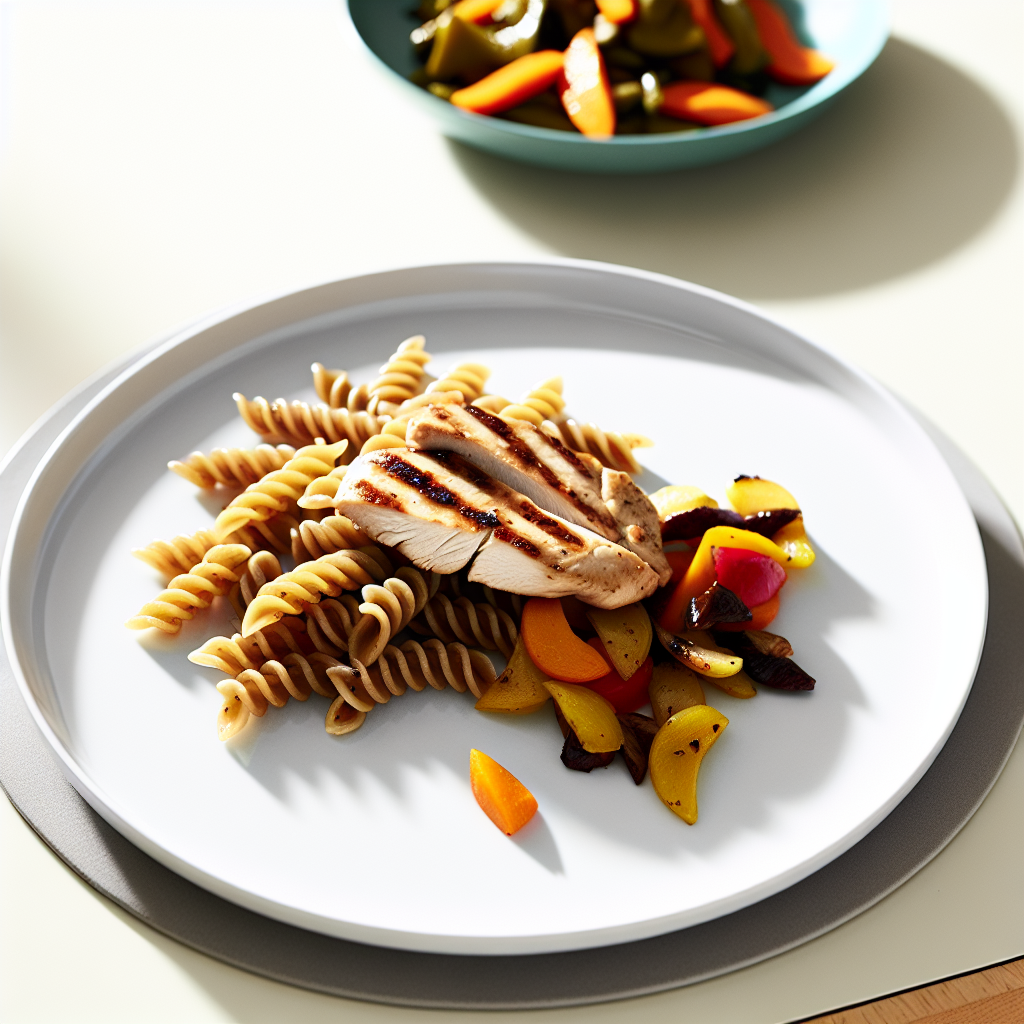
Pasta and diabetes—two words that often seem at odds. For many living with diabetes, pasta feels like one of the first foods to cut. But is it really off the table? Not necessarily. By understanding how pasta affects your blood sugar and applying smart meal strategies, you can enjoy pasta without sabotaging your glucose goals.
How Pasta Affects Blood Sugar
Pasta is primarily composed of carbohydrates, which break down into glucose and raise blood sugar levels. Traditional refined white pasta has a high glycemic index (GI), often causing rapid post-meal spikes—especially concerning for people managing diabetes.
However, the impact of pasta on your blood glucose depends on several factors. The type of pasta selected, cooking method, portion size, and what it’s paired with all influence how your body responds. For instance, cooking pasta al dente lowers its GI compared to overcooked versions, while pairing it with protein or fiber can further moderate blood sugar increases.
According to a 2018 study in BMJ Open, low-GI diets that include mindful pasta intake can support lower A1C levels and improved glycemic control in people with type 2 diabetes.
Choosing the Right Type of Pasta for Diabetes
When managing pasta and diabetes, the type of pasta you eat matters. Some alternatives can significantly reduce blood sugar impact. Here are top picks to consider:
- Whole Wheat Pasta: Higher in fiber, which slows digestion and helps prevent glucose spikes. Widely available in stores like Whole Foods or Kroger.
- Legume-Based Pasta: Made from chickpeas, black beans, or lentils. These are protein- and fiber-rich, making them highly blood sugar-friendly. Look for brands like Banza.
- Vegetable-Enriched Pasta: Includes veggies like spinach or beets, but may not significantly affect carbohydrate content. Always check the label.
- Keto or Low-Carb Pasta: Options like shirataki noodles or hearts of palm pasta are very low in carbs. Miracle Noodles and Palmini are both popular brands.
For optimal blood sugar support, select pastas with at least 3–5 grams of fiber per serving and check the total carbohydrates. The nutritional label is your guide.
Smart Pasta Portions and Balanced Plates
Even with the right pasta, portion size is key. Restaurant servings often provide over 60 grams of carbs—well above recommended levels for many with diabetes. Aiming for 30–45 grams of carbohydrates per meal, as advised by your healthcare provider, helps keep blood glucose stable.
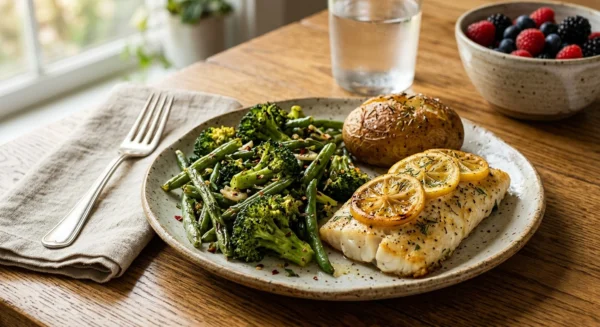
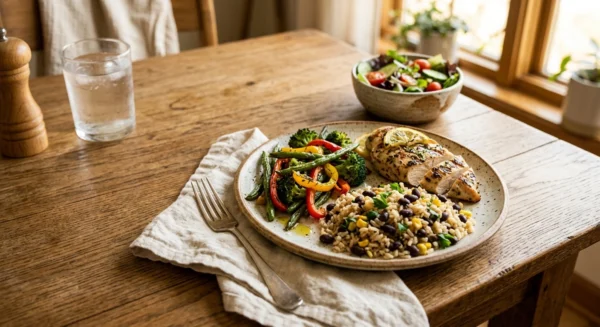
Use the diabetes plate method: fill half your plate with nonstarchy vegetables (like spinach or zucchini), one quarter with lean proteins (such as grilled chicken), and one quarter with pasta or grains. This approach naturally reduces carb overload and boosts nutrient density.
Additional portion-control tips include:
- Check pre-meal glucose: Knowing your baseline helps assess your pasta meal response.
- Use a kitchen scale: Weigh pasta before cooking. One cooked half-cup typically equals 15–20 grams of carbs.
- Combine with fiber and protein: Add beans, tofu, leafy greens, or olive oil to slow digestion.
- Adjust insulin timing: For those using insulin, taking bolus insulin 10–15 minutes prior may better align with pasta digestion. Always consult your provider.
Try dishes like whole wheat penne with sautéed vegetables and grilled turkey, drizzled with olive oil. Limit creamy or rich sauces that add fat and complicate glucose control.
How to Cook Pasta to Lower Glycemic Impact
Preparing pasta the right way helps manage blood sugar. Cooking pasta until just al dente keeps its starch structure more intact, slowing digestion. Overcooked pasta breaks down faster, leading to quicker glucose absorption.
Another helpful technique involves creating resistant starch. When cooked pasta is cooled down (refrigerated) and then reheated, some of its starch turns into resistant starch. This version is digested more slowly and causes smaller blood sugar spikes.
Steps to try:
- Boil pasta al dente, then rinse under cold water.
- Refrigerate for a few hours or overnight for resistant starch to develop.
- Reheat gently—either on the stove or in the microwave—before serving.
This method supports better blood glucose control and allows for convenient meal prepping, especially during busy weekdays.
Monitoring Your Blood Sugar Response
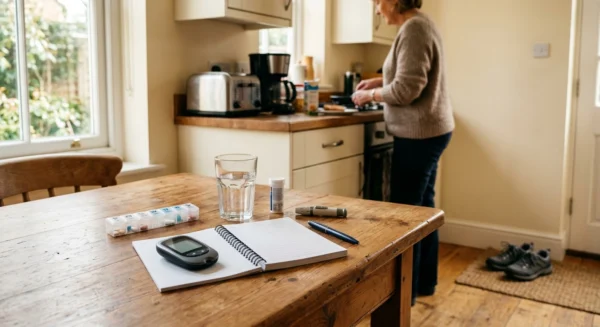
Personal glucose responses to pasta vary. Factors like physical activity, insulin sensitivity, stress, and food combinations all contribute. Monitor your response using a continuous glucose monitor (CGM) or fingerstick testing.
Check your levels:
- Right before eating
- Two hours after your meal
- Four hours post-meal to track the full curve
If your glucose jumps more than 50 mg/dL (e.g., pre-meal 110 mg/dL to post-meal 200 mg/dL), that’s a red flag. Evaluate your meal: Was the pasta portion too large? Was the type too refined?
Use apps like MySugr or Glucose Buddy to log meals and readings. Tracking helps you identify patterns and adjust recipes or portions accordingly.
The Role of Activity and Medications
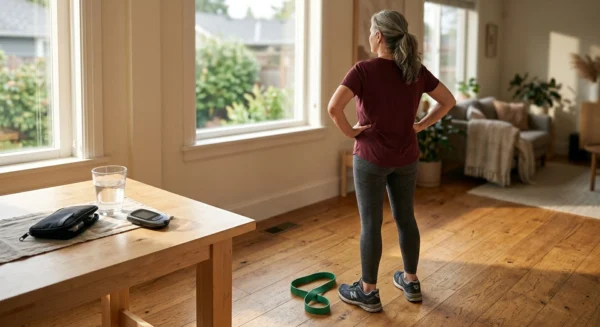
Physical movement can dramatically reduce post-meal blood sugar spikes. Taking a 10- to 15-minute walk within an hour of eating can help minimize abrupt glucose rises. Research in journals like Diabetes Care confirms even light activity has benefits.
For those using insulin or medications, syncing doses with meals is essential. Discuss timing with your healthcare provider—especially when consuming complex-carb meals like pasta. Ultra-rapid insulin types such as Fiasp or Lyumjev may need to be taken slightly earlier.
Users of insulin pumps may benefit from using extended bolus settings like square or dual-wave doses to match the digestion timing of pasta-based dishes, especially higher-fat recipes like carbonara or baked ziti.
Enjoying Pasta and Diabetes—Sustainably
Living with diabetes doesn’t mean eliminating foods you love. With thoughtful planning, portion control, smart food pairings, and regular glucose tracking, pasta and diabetes can absolutely coexist.
Explore various diabetes-friendly pasta types—whole wheat, lentil, or shirataki—alongside blood sugar-balancing ingredients like vegetables, lean proteins, and healthy fats. Focus on what works best for your body through trial, tracking, and professional guidance.
Collaborate with a registered dietitian or certified diabetes educator for personalized strategies. With the right tools and support, you can enjoy meals that include pasta—without compromising on health or flavor.