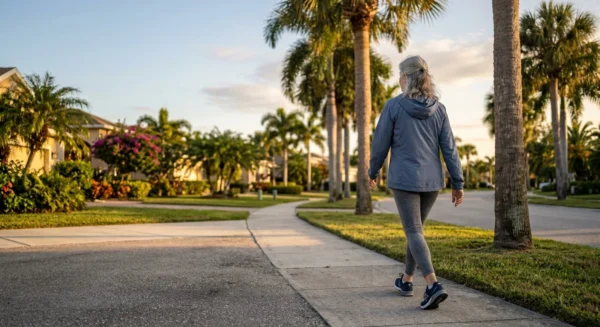
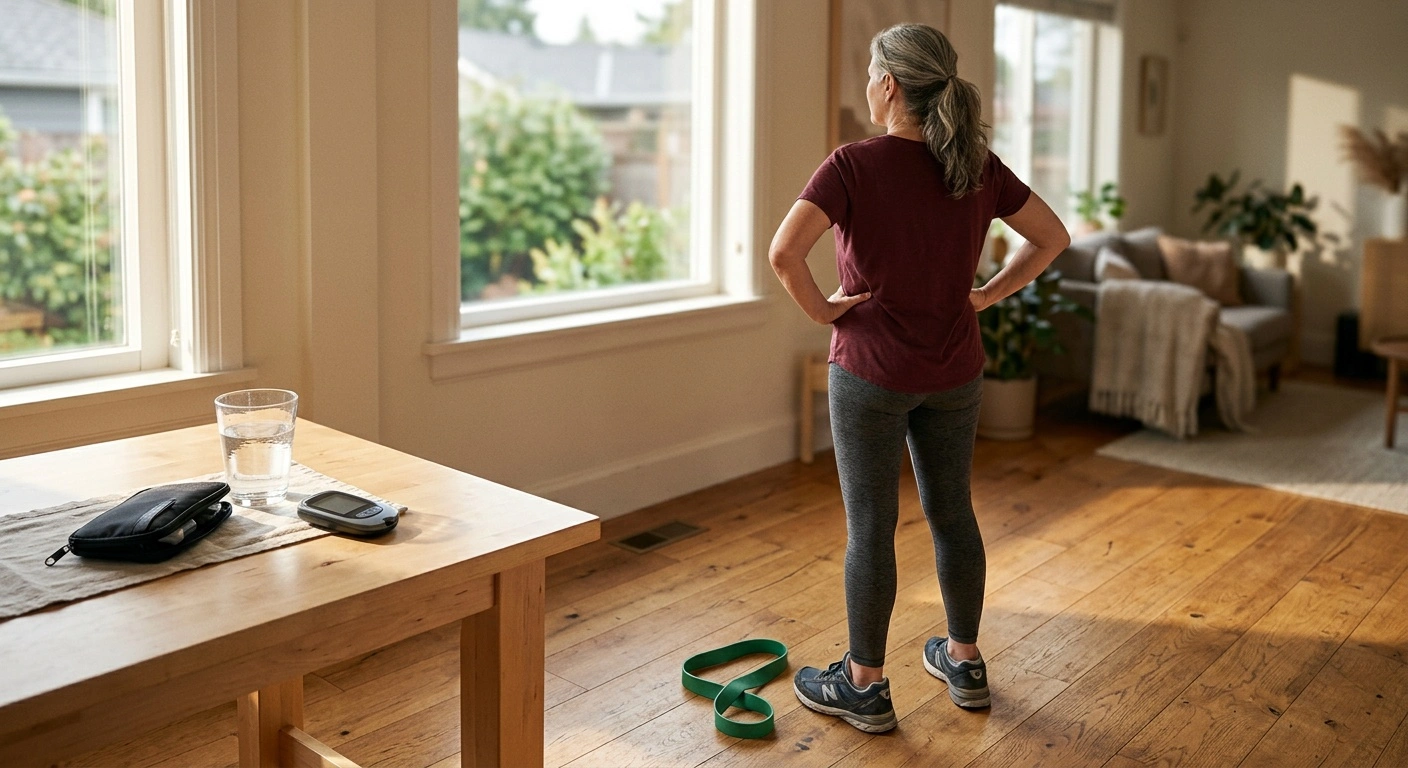
Blood sugar after exercise can fall, stay steady, or rise. The result depends on the activity, intensity, duration, recent food, and your individual response. Moderate movement often lowers glucose because working muscles use it for energy. Intense exercise may temporarily raise glucose by triggering stress hormones.
The effect can continue for hours while muscles replace stored fuel. This process can contribute to delayed low blood sugar in people who take insulin or medications that increase insulin release. Hydration, sleep, stress, illness, and time of day also affect the outcome.
These patterns occur in people with type 1 diabetes, type 2 diabetes, and prediabetes. However, medication-related safety needs differ. One reading rarely tells the full story, so compare several similar exercise sessions.
Why Blood Sugar After Exercise Can Go Down or Up
Your muscles need energy when you move, and glucose provides one of their main fuel sources. During exercise, muscle cells take up more glucose from the bloodstream. Some of this uptake does not require insulin.
Exercise also improves insulin sensitivity for a period afterward. As a result, the body may need less insulin to move glucose into cells.
Meanwhile, the liver releases stored glucose to keep your muscles supplied. Adrenaline, cortisol, glucagon, and growth hormone signal the liver when the body expects high energy demand.
During a brisk walk or steady bike ride, muscle glucose use may exceed the liver’s output. Glucose may then fall. During sprinting, heavy lifting, or competitive sports, stress hormones can have a stronger effect.
That hormonal response may cause glucose to rise during or soon after intense activity. Levels may fall again as stress hormones settle and muscles replace their stored fuel.
How Exercise Supports Glucose Management
Regular activity can support glucose management in people with prediabetes, type 1 diabetes, and type 2 diabetes. It can improve insulin sensitivity, strengthen the heart and muscles, and support mobility. You can gain these benefits without seeing a large glucose drop after every workout.
The American Diabetes Association recommends at least 150 minutes of moderate-intensity activity each week for most adults with diabetes. It also recommends resistance training two or three times per week. You can divide activity into shorter sessions when that approach fits your schedule.
Your health, mobility, and current fitness level should guide the plan. Beginners can start with walking, seated movement, water exercise, or light resistance work.
A doctor or physical therapist can adapt exercise for heart disease, nerve damage, eye disease, arthritis, or balance concerns. Exercise should support your health. It should not serve as punishment for eating or for a glucose reading.
Exercise Safety With Insulin and Diabetes Medications
Insulin and sulfonylureas increase the risk of exercise-related low blood sugar. These treatments can keep lowering glucose while active muscles use it. People who use them may need to check glucose before and after activity.
Carry fast-acting carbohydrate whenever you exercise. Recent doses, medication timing, active insulin, and the injection site can all affect your response. Discuss medication adjustments with your doctor, pharmacist, or diabetes care team.
Low blood sugar means a glucose level below 70 mg/dL. A level below 54 mg/dL is clinically significant. Symptoms can include shaking, sweating, hunger, weakness, dizziness, irritability, and difficulty concentrating.
Some people have few warning signs. If your reading falls below 70 mg/dL, use the 15-15 rule. Take 15 grams of fast-acting carbohydrate, wait 15 minutes, and check again.
Repeat the treatment if your glucose remains below 70 mg/dL. About 15 grams may come from four glucose tablets, a labeled serving of glucose gel, or 4 ounces of regular juice or soda.
Chocolate and other high-fat foods work too slowly for initial treatment. Confusion, seizure, or unconsciousness signals a severe low. Someone trained should give glucagon and call 911.
How Different Types of Exercise Affect Glucose
Moderate aerobic activities include walking, swimming, cycling, and dancing. They commonly lower glucose during or after a session. Repeated muscle contractions use circulating glucose and increase insulin sensitivity.
A long session may produce a larger or longer-lasting effect than a short session. However, your response may change with meals, medication timing, and workout intensity.
Resistance training can cause a smaller drop, no immediate change, or a temporary rise. Demanding workouts tend to produce a stronger stress hormone response. Over time, maintaining muscle can help the body store and use glucose.
Some people experience a smaller glucose drop when they perform resistance exercise before aerobic exercise. Individual responses vary, so track several similar sessions before drawing conclusions.
Short bursts of intense activity can raise glucose because adrenaline prompts the liver to release fuel quickly. Competition, pain, excitement, and anxiety can strengthen this response.
A temporary increase does not mean the activity harmed you. Do not make an unplanned medication change based on one reading. Contact your care team if the pattern happens often or lasts for several hours.
Why Glucose May Fall Hours Later
Muscles store glucose as glycogen and use those stores during activity. After exercise, they draw glucose from the bloodstream to replace glycogen. Increased insulin sensitivity can also continue for several hours.
For that reason, glucose may fall well after the workout ends. Delayed lows can happen later in the day or overnight. Prolonged, unfamiliar, or strenuous activity can increase the risk.
People who take insulin or sulfonylureas need to pay particular attention to this pattern. Ask your diabetes care team about exercise-day food and medication plans. Do not change a dose without clinical guidance.
Alcohol can increase the risk of a delayed low. The liver focuses on processing alcohol, which can limit its ability to release glucose. Alcohol-related lows may happen hours later or overnight.
Low blood sugar symptoms can also resemble intoxication. Do not drink alcohol on an empty stomach if you use insulin or sulfonylureas. Carry fast-acting carbohydrate and wear medical identification.
What to Check Before Exercise
A pre-exercise glucose check provides a useful starting point. However, your need for testing depends on your treatment plan and intended activity.
People who take insulin or sulfonylureas often need checks before and after exercise. Those who manage prediabetes or type 2 diabetes without low-causing medication may not need checks around every session.
Before starting, consider your recent meal and the planned workout’s length and intensity. If you use insulin, account for any active insulin in your body.
Also note illness, dehydration, unusual stress, and extreme temperatures. Each factor can alter muscle glucose use or the liver’s glucose output.
A continuous glucose monitor measures glucose in interstitial fluid rather than directly in the blood. Therefore, CGM readings can lag behind blood glucose when levels change quickly.
Check with a fingerstick meter when your symptoms do not match the CGM reading. Follow your device’s instructions about confirmation checks.
What to Watch During and After Activity
During a new or demanding activity, pause occasionally and assess how you feel. Monitor glucose according to your care plan. Carry water, fast-acting carbohydrate, medical identification, and prescribed emergency supplies.
Stop exercising if you develop shaking, dizziness, confusion, or unusual weakness. Chest pain or severe shortness of breath also requires immediate attention.
Afterward, record the activity type, duration, intensity, and glucose readings. Note any carbohydrate you ate and the timing of relevant medication. Review repeated patterns with your care team instead of changing medication after one session.
An additional check may help after unusually long exercise or a previous delayed low. Your care team can recommend appropriate timing.
CGM trend arrows provide useful context, but they do not guarantee what will happen next. Sensor lag can become more noticeable during rapid changes.
Hydration also matters. Dehydration can worsen high glucose and make physical activity feel harder. Water suits many routine workouts.
Long sessions may require a personalized carbohydrate or electrolyte plan. A registered dietitian or certified diabetes care and education specialist can help create one.
Troubleshooting Blood Sugar After Exercise
Exercise responses make more sense when you compare repeated patterns. Track similar activities at similar times. Include meals, sleep, stress, hydration, and medication timing in your notes.
A walk after dinner may produce a different result than the same walk before breakfast. Illness, weather, and unfamiliar activity can also change the outcome.
Use the following situations as starting points rather than fixed rules. Bring your notes, glucose meter, or CGM reports to appointments. Your care team can use that information to identify safer adjustments.
Glucose Is Higher After a Hard Workout
Likely cause: Intense exercise can trigger stress hormones that signal the liver to release glucose. This response often occurs during sprints, heavy resistance work, or competitive activity. Anxiety about the workout may add to the effect.
What to try: Hydrate, cool down gradually, and recheck according to your diabetes plan. Record whether glucose settles as your stress response fades.
Do not take extra insulin or change medication unless your care team has provided a specific plan. Extra insulin could cause a low once your glucose begins falling.
If high readings happen repeatedly, ask whether changing the workout order or intensity could help. A gentle aerobic cooldown helps some people. Do not exercise when glucose is very high and ketones are present.
People with type 1 diabetes should follow their care team’s instructions for ketone testing. Those instructions should also explain when to postpone exercise.
Glucose Drops During a Walk or Workout
Likely cause: Your muscles may remove glucose faster than the liver replaces it. Insulin, sulfonylureas, a missed meal, or a longer workout can increase the risk.
A downward CGM arrow may appear before symptoms develop. However, sensor lag can affect the reading during rapid changes.
What to try: Stop exercising if the reading falls below 70 mg/dL. Take 15 grams of fast-acting carbohydrate and recheck after 15 minutes. Repeat if the reading remains low.
Do not resume exercise until your glucose recovers and you feel well enough to continue. Ask your care team whether you need a personalized pre-exercise range or food plan.
Never adjust insulin, a sulfonylurea, or another medication without clinical guidance. Carry fast-acting carbohydrate even when previous workouts have gone smoothly.
Glucose Is Normal After Exercise but Low Overnight
Likely cause: Your muscles may keep replacing glycogen for hours. Increased insulin sensitivity can also continue after you stop moving.
A long afternoon workout, unfamiliar activity, or alcohol may increase the chance of an overnight low. An immediate post-workout reading may look normal before glucose falls later.
What to try: Follow your care team’s plan for later checks or CGM alerts. Keep glucose tablets or another fast-acting treatment within reach.
Use the 15-15 rule for a reading below 70 mg/dL. A severe low involving confusion, seizure, or unconsciousness requires glucagon and a call to 911.
Review repeated overnight lows with your diabetes care team. Do not reduce, delay, or skip medication on your own. A clinician can create a plan based on your activity, meals, treatment, and glucose data.
Glucose Hardly Changes
Likely cause: Muscle glucose use and liver glucose output may be closely balanced. The workout may also be too short to create an obvious immediate change.
Food, stress, poor sleep, illness, and testing time can hide the effect. Exercise may still improve insulin sensitivity when the meter shows little movement.
What to try: Track several similar sessions before deciding the activity has no effect. Check at consistent intervals so you can make useful comparisons.
Look at longer-term patterns in glucose, energy, strength, and A1C. If glucose remains above your target range, ask your care team to review the full pattern.
Glucose Is High and You Feel Unwell
Likely cause: Illness, dehydration, missed insulin, or too little insulin can cause high glucose and ketones. This risk is especially important for people with type 1 diabetes.
Exercise cannot replace missing insulin. Strenuous activity may push glucose higher when ketones are present.
People who take SGLT2 inhibitors can develop diabetic ketoacidosis, or DKA, with glucose near the normal range. Seek prompt medical guidance if symptoms or ketones suggest DKA.
What to try: Stop exercising and follow your sick-day and ketone-testing plan. Keep drinking fluids if you can do so safely. Never stop insulin because you are not eating.
DKA requires emergency medical care. Warning signs include nausea, vomiting, abdominal pain, fruity-smelling breath, rapid breathing, confusion, and high ketones. Seek emergency help instead of trying to lower glucose through exercise.
Build a Personal Exercise Pattern
A useful exercise plan should be safe and practical enough to repeat. Start with a manageable duration and keep the activity reasonably consistent. Record a few important details rather than trying to track everything.
After several sessions, you may notice a pattern. Morning walks, evening resistance training, and long weekend activities may each affect you differently.
Set individualized glucose goals with your diabetes care team. For many nonpregnant adults, the American Diabetes Association suggests 80 to 130 mg/dL before meals.
Its general target one to two hours after a meal begins is below 180 mg/dL. The general A1C goal is below 7 percent, although personal goals vary.
Many CGM users aim to spend more than 70 percent of each day between 70 and 180 mg/dL. Age, pregnancy, other health conditions, and low-blood-sugar risk may require different targets.
Bring several days or weeks of exercise notes and glucose data to appointments. A certified diabetes care and education specialist can connect activity patterns with meals and monitoring.
A registered dietitian can help with individualized food planning. A doctor or pharmacist should guide all medication changes.
Focus on the Pattern, Not One Reading
Blood sugar after exercise reflects several processes happening at the same time. Muscles use fuel, the liver releases glucose, and hormones respond to physical effort. Recovery continues after the workout ends.
That explains why a relaxed walk may lower glucose while heavy lifting raises it. Neither response automatically makes the exercise helpful or harmful.
Put safety first if you use insulin or another medication that can cause low blood sugar. Carry fast-acting carbohydrate and know how to treat a low. Follow your care team’s instructions for ketones, illness, and delayed monitoring.
Consistent records can make exercise-related changes easier to predict. Use those patterns with professional guidance to build a safe, sustainable activity plan.