The best bread for diabetics is one that supports healthy blood sugar levels without sacrificing taste or nutrition. If you’re managing diabetes, you already know how important it is to keep carbohydrates in check—especially those that come from common staples like bread. But does having diabetes mean bread is off-limits? Not necessarily. With smart choices, you can still enjoy bread as part of a balanced, diabetes-friendly meal plan. This article explores the top bread options for diabetics, how to read labels effectively, and which types to avoid—backed by clinical insight and practical tips.
How Bread Affects Blood Sugar in Diabetes
For those with diabetes, managing carbohydrate intake is essential for maintaining steady glucose levels. Bread made from refined flour is often high on the glycemic index (GI), causing quick spikes in blood sugar. The GI ranks how fast a carbohydrate-containing food raises blood glucose. High-GI foods break down quickly into sugar, while low-GI foods digest more slowly, promoting more consistent energy and better glucose control.
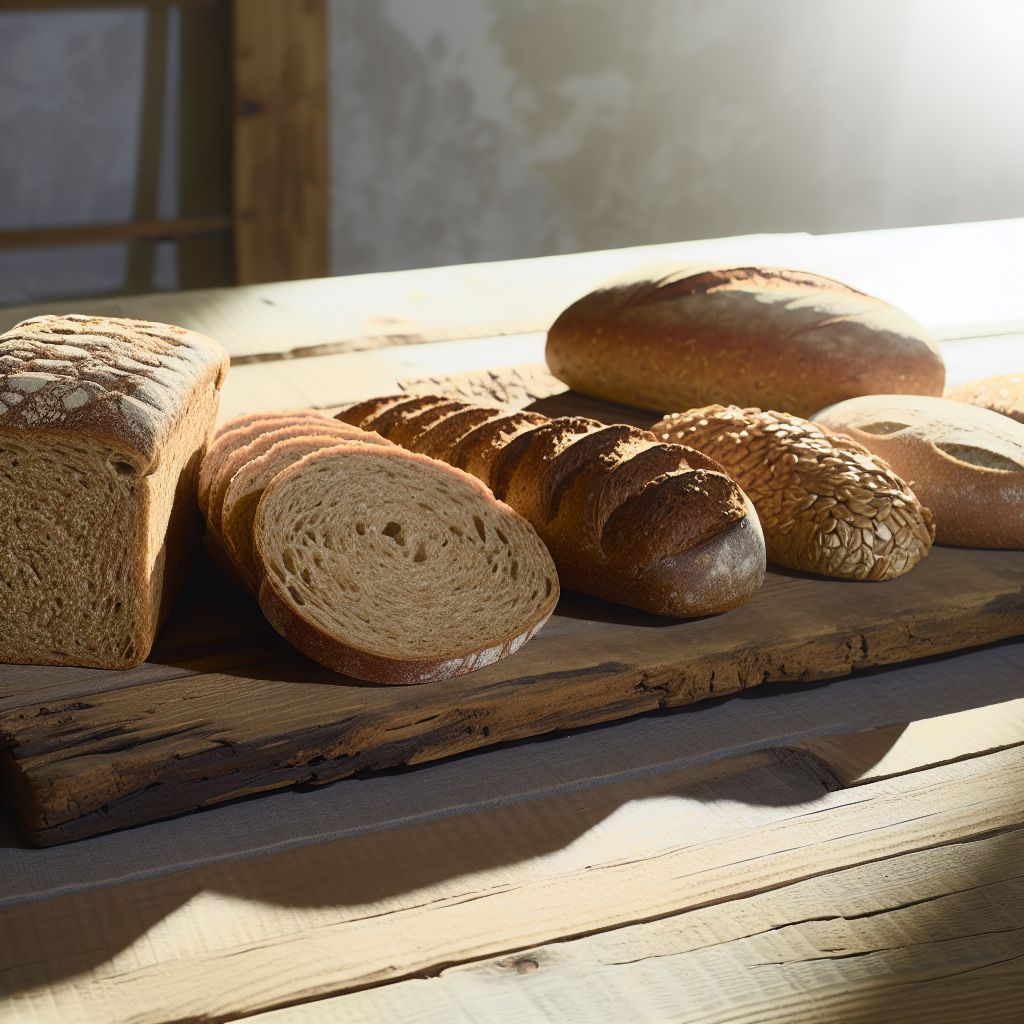
The best bread for diabetics is low on the glycemic index, rich in fiber, and made with whole or sprouted grains. These types of bread digest more slowly, reducing blood sugar spikes and enhancing satiety. Understanding how to decode nutrition labels will help you choose a bread that complements your dietary needs.
What to Look for in the Best Bread for Diabetics
Not all bread is created equal. When shopping, use these guidelines to select the best bread for diabetics:
- Whole grain ingredients: Look for “100% whole wheat” or “whole grain” as the first ingredient. These offer more nutrients and fiber than refined flour options.
- High fiber content: Choose bread with at least 3 grams of fiber per slice. More fiber means slower digestion and improved blood sugar control.
- Low glycemic index sources: Sprouted grains, oats, barley, and rye generally yield a lower GI. Breads like Ezekiel 4:9 are great examples.
- Little to no added sugars: Avoid breads that list sugar, honey, molasses, or high-fructose corn syrup high on the ingredient list.
- Healthy, net carbs: Net carbs (total carbs minus fiber and sugar alcohols) give a clearer picture of a bread’s impact on blood sugar. Lower net carbs usually mean better glucose control.
- Dense, nutrient-dense portions: Some hearty breads are satisfying in just one slice, making portion control easier.
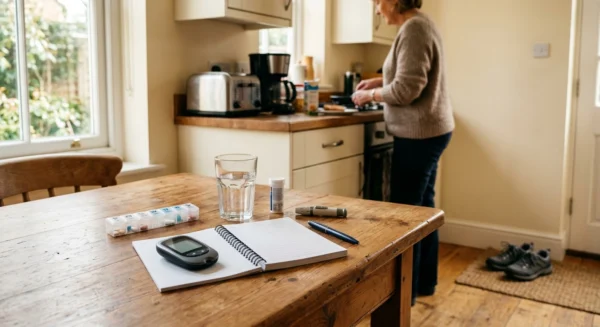
If you use a continuous glucose monitor (CGM) or regularly check blood sugar, test after eating new breads to identify how your body responds.
The Best Bread Options for Diabetics
Choosing the best bread for diabetics may take experimentation, but the options below have generally favorable nutrition profiles and support stable blood sugar levels.
Sprouted Grain Bread (e.g., Ezekiel 4:9 Bread)
Made from sprouted whole grains and legumes like wheat, barley, soybeans, and lentils, these breads are packed with plant-based nutrients. Each slice offers approximately 3–5 grams of protein and 3 grams of fiber, with a low glycemic impact. Ezekiel bread is commonly found in the freezer sections at Whole Foods, Sprouts, and Trader Joe’s.
100% Whole Wheat Bread (with No Added Sugars)
Choosing genuine 100% whole wheat bread—made without refined flours or added sweeteners—can support better glucose control. Brands like Dave’s Killer Bread (whole grain, low sugar variety) deliver high fiber and minimal additives. Be sure “whole wheat” is listed as the first ingredient.
Low-Carb or Keto Bread Options
For those seeking tighter carbohydrate control, try diabetic-friendly or keto bread options. Brands like Aldi’s L’Oven Fresh Keto Bread, Sola Sweet & Buttery Bread, and Carbonaut contain just 1–4 net carbs per slice. They’re also higher in fiber thanks to ingredients like oat fiber, flaxseed, and psyllium.
Rye and Pumpernickel Bread
Traditional rye bread, especially pumpernickel made with whole rye kernels and natural fermentation, has a lower glycemic index and hearty texture. Look for brands like Mestemacher or local bakery rye with minimal added sugar and no white flour.
Homemade Whole Grain Bread
Making your own bread gives you full control over ingredients and nutrition. Use whole grain flours like spelt, rye, or oat flour and include fiber-rich additions such as chia seeds, sunflower seeds, or flax. Incorporating a sourdough starter or psyllium husk can further reduce the glycemic load.
Bread to Avoid with Diabetes
While bread can fit into a balanced diabetic diet, some varieties should be avoided due to their high sugar levels, lack of fiber, or overly processed ingredients.
- White bread: Made with refined flour, white bread spikes blood sugar quickly and offers minimal nutritional value.
- Sweetened breads and pastries: Cinnamon breads, banana bread, and brioche are often high in added sugars and unhealthy fats.
- “Wheat” bread made with enriched flour: Many commercial wheat breads are still largely refined. Only choose those made with “100% whole grain.”
- Flavored breads and wraps: Items like flavored tortillas, pita with added sugars, or naan often contain high-calorie, low-quality ingredients.
- Ultra-soft or diet breads: Some low-calorie breads are filled with chemical additives and offer little nutritional benefit.
Always read the ingredient list and nutrition panel carefully. Choosing minimally processed, whole grain bread is always better for blood sugar stability.
How to Eat Bread While Managing Diabetes
You can enjoy the best bread for diabetics as part of an overall healthy eating pattern. Here are some helpful tips to keep blood sugar in balance:
- Stick to one slice per meal: This keeps portion sizes in check and makes it easier to pair with other whole foods.
- Monitor your response: Use a glucose monitor to check your individual reaction to specific breads after meals.
- Pair with fiber, protein, and fat: Combine bread with eggs, lean meats, leafy greens, avocado, or nut butters to slow digestion.
- Watch substitutes: Low-carb tortillas or wraps can be good alternatives, but always read the labels for fiber content and additives.
- Track carbs accurately: If insulin dosing is required, account for bread’s carbohydrate content within your total meal count.
Consulting with a registered dietitian nutritionist (RDN) or certified diabetes care and education specialist (CDCES) can also help you find bread that respects both nutrition and flavor preferences.
Choosing the Best Bread for Diabetics
Ultimately, the best bread for diabetics is one that aligns with your personal health goals, blood sugar targets, and lifestyle. Whether you prefer sprouted grain bread from the store, low-carb keto loaves, or baking your own high-fiber variety, what matters most is the nutritional profile. Selecting bread that’s low in added sugar, high in fiber, and made from whole ingredients is a powerful way to manage diabetes. With thoughtful planning and informed label reading, you can continue to enjoy bread as part of a balanced, delicious, and blood-sugar-friendly diet.