Diabetes grocery shopping is simpler when you build your cart around the Diabetes Plate Method. Plan meals with half non-starchy vegetables, one-quarter lean protein, and one-quarter carbohydrate foods. This framework gives you a practical shopping guide without creating a long list of forbidden foods.
Carbohydrates raise blood glucose more directly than protein or fat, but you do not need to avoid them. Choose higher-fiber carbohydrates, watch portions, and pair them with protein and non-starchy vegetables. These steps may produce a more gradual rise in glucose.
This general approach can help people with type 1 diabetes, type 2 diabetes, or prediabetes. However, carbohydrate needs vary based on body size, activity, health conditions, medications, and glucose goals. Use this guide for general education, not as a personal meal prescription.
Diabetes Grocery Shopping Starts Before You Enter the Store
A short plan can save time, limit impulse purchases, and help you bring home ingredients that work together. First, check the refrigerator, freezer, and pantry. This prevents duplicate purchases and reminds you to use foods you already have.
Next, choose several simple meals for the coming days. Keep the plate method in mind as you plan. You do not need a different entrée every night.
Write your list by category so you can move through the store efficiently. Include non-starchy vegetables, protein foods, carbohydrates, fruit, cooking basics, and a few planned snacks. Ingredients such as roasted chicken, frozen vegetables, brown rice, and beans can work in several meals.
- Non-starchy vegetables: broccoli, green beans, leafy greens, peppers, mushrooms, tomatoes, zucchini, cauliflower, and cabbage
- Lean proteins: chicken, fish, eggs, tofu, canned tuna, plain Greek yogurt, and cottage cheese
- Carbohydrate foods: oats, brown rice, whole-grain bread, tortillas, beans, lentils, fruit, milk, corn, and potatoes
- Flavor builders: olive or canola oil, vinegar, citrus, garlic, herbs, spices, and mustard
- Practical backups: frozen vegetables, no-salt-added canned beans, canned fish, and shelf-stable whole grains
Shopping after a meal may help you follow the list, especially if hunger drives unplanned purchases. If time or food access is limited, focus on versatile basics. A useful cart matters more than a perfect one.
Build Your Cart Around the Diabetes Plate Method
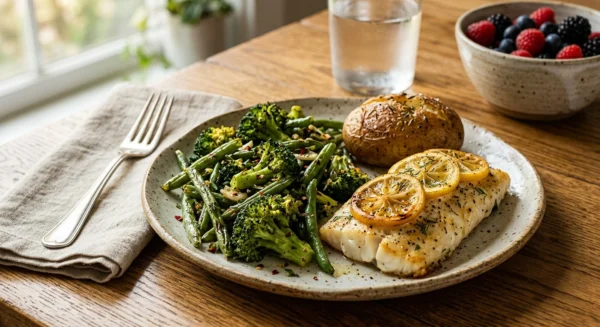
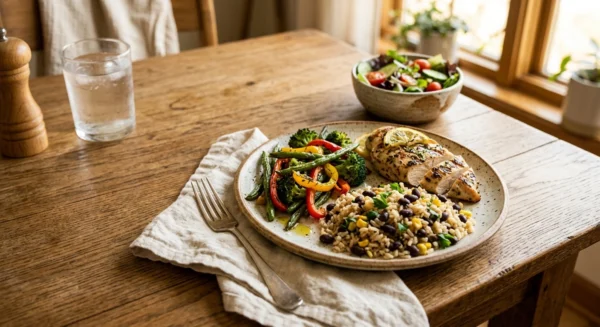
The American Diabetes Association’s Diabetes Plate Method uses a plate about nine inches wide. Fill half with non-starchy vegetables, one-quarter with lean protein, and one-quarter with carbohydrate foods. Add water or another low-calorie drink.
Non-starchy vegetables provide fiber and volume with relatively little carbohydrate. Protein adds fullness and usually has a smaller immediate effect on glucose. The measured carbohydrate portion supplies energy while helping you manage the amount at each meal.
Fat and protein can slow digestion, but they do not cancel the carbohydrate in a meal. Start your grocery list with foods for each section of the plate. That makes balanced meals easier to assemble at home.
Fill Half of the Plate With Non-Starchy Vegetables
Fresh, frozen, and canned vegetables can all support a diabetes-friendly eating pattern. Buy fresh produce when it is in season and you expect to use it promptly. Choose frozen vegetables when you need an affordable option that keeps longer and cooks quickly.
For canned vegetables, look for no-salt-added or lower-sodium products. This matters if you also manage high blood pressure, heart disease, or kidney concerns. Draining and rinsing regular canned vegetables can remove some sodium.
Convenience has value. Precut vegetables, bagged greens, and frozen blends can reduce preparation time and food waste.
- Bagged salad greens or shredded cabbage
- Frozen broccoli, cauliflower, spinach, or mixed vegetables
- Fresh carrots, celery, peppers, or cucumbers
- Canned tomatoes or green beans
- Precut vegetables that you can use before they spoil
Potatoes, corn, peas, winter squash, and plantains provide useful nutrients. However, they contain more carbohydrate than non-starchy vegetables. Place them in the carbohydrate quarter of the plate.
Choose Proteins That Fit Your Budget and Preferences
Protein can make a meal more satisfying and slow the digestion of a mixed meal. Affordable choices include eggs, canned tuna or salmon, chicken, tofu, beans, lentils, and plain yogurt. For meat and poultry, choose leaner cuts and remove visible skin when practical.
Fish, poultry, tofu, and legumes offer alternatives to bacon, sausage, and many deli meats. Processed meats often contain high amounts of sodium or saturated fat. You do not need to eliminate them, but they work better as occasional choices than everyday staples.
Beans and lentils provide protein, fiber, and carbohydrate in the same food. Count their carbohydrate when estimating the total for your meal.
- Eggs for breakfast, salads, sandwiches, or quick dinners
- No-salt-added canned tuna, salmon, chicken, or beans
- Plain yogurt instead of heavily sweetened varieties
- Tofu or tempeh for stir-fries, soups, and grain bowls
- Unsalted nuts or seeds for measured snacks and toppings
People with kidney disease may need personal guidance about protein, potassium, phosphorus, and sodium. A registered dietitian who understands diabetes and kidney disease can review laboratory results and build an appropriate plan.
Select Carbohydrates With Fiber and Useful Nutrients
Carbohydrate foods include grains, beans, fruit, milk, yogurt, starchy vegetables, sweets, and many snack foods. One carbohydrate serving contains about 15 grams of total carbohydrate. However, the number of servings that fits a meal varies from person to person.
Whole grains, beans, lentils, fruit, and starchy vegetables often provide more fiber than refined snack foods. They also supply vitamins, minerals, and other useful nutrients. Portion size still matters.
Fiber does not fully break down into glucose. As a result, a higher-fiber meal may produce a steadier response than a similar meal made with refined grains. A large portion can still contain substantial total carbohydrate.
Visual estimates can help when measuring is not practical. Examples include a fist-sized piece of fruit, a cupped hand of cooked grain, or one slice of bread. Food labels and measuring cups provide more reliable guidance while you learn portions.
- Old-fashioned oats or unsweetened whole-grain cereal
- Brown rice, barley, quinoa, or whole-grain pasta
- Whole-grain bread or tortillas
- Black beans, chickpeas, kidney beans, or lentils
- Apples, oranges, berries, pears, or other whole fruit
- Potatoes, sweet potatoes, corn, or winter squash
You do not need specialty products labeled for people with diabetes. Familiar foods in realistic portions often cost less and work better for the whole household.
How to Read Food Labels at the Grocery Store
Start with the serving size on the Nutrition Facts label. Every number below it refers to that amount. Compare the listed serving with the portion you expect to eat.
If you eat two labeled servings, you will get about twice the listed calories and nutrients. That includes total carbohydrate, sodium, saturated fat, and added sugar.
For blood glucose management, focus on total carbohydrate instead of sugars alone. Total carbohydrate includes starch, sugars, and fiber. It gives you a more complete picture of the food’s potential glucose effect.
Use the dietary fiber line to compare similar breads, cereals, tortillas, and crackers. The added sugars line shows how much sugar manufacturers add during processing. Naturally occurring sugars from fruit or milk also contribute to total carbohydrate.
A product with no added sugar may still contain considerable carbohydrate from flour, starch, fruit, or milk. Claims such as “natural,” “multigrain,” and “made with whole grains” do not guarantee high fiber or low carbohydrate. Compare products using equal serving sizes.
Check the ingredient list as well. Whole grains, beans, nuts, seeds, or vegetables near the beginning of the list can signal a more nutrient-dense choice.
Shop the Store in an Order That Works for You
Many useful foods sit along the outer aisles, but shopping only the perimeter leaves out valuable staples. Interior aisles hold oats, canned beans, lentils, brown rice, canned fish, and nuts. Freezer cases also contain vegetables, fruit, fish, and other practical ingredients.
Follow your list instead of relying on the store layout. Spend less time browsing sections that encourage unplanned purchases.
If starting with produce helps you buy more vegetables, begin there. Then add proteins, whole grains, fruit, dairy or alternatives, and cooking basics. Pick up frozen and refrigerated foods later if you have a long trip home.
Mobility, vision, fatigue, and store layout may affect the best route, especially for older adults. Pickup or delivery can help when transportation or stamina presents a problem. Review substitutions because replacement products may contain different amounts of carbohydrate, sodium, or added sugar.
Make Diabetes Grocery Shopping More Affordable
A diabetes-friendly cart does not require expensive powders, snack bars, specialty breads, or organic-only produce. Store brands, frozen vegetables, beans, eggs, oats, brown rice, and seasonal produce can form the base of balanced meals.
Compare unit prices when package sizes differ. Buy larger packages only when you can use or freeze the food before it spoils. A lower unit price will not save money if half the package goes in the trash.
Plan meals around overlapping ingredients. Frozen peppers can go into scrambled eggs, bean bowls, soups, or chicken stir-fries. Leftover roasted vegetables can become tomorrow’s lunch salad or side dish.
- Choose plain frozen vegetables instead of varieties with rich sauces
- Buy fruit that stores well, such as apples or oranges
- Use dried beans when time allows and canned beans when convenience matters
- Freeze bread, cooked grains, or meat in meal-sized portions
- Compare store-brand oats, yogurt, canned fish, and whole grains
- Drink water, unsweetened tea, or coffee instead of regularly buying sugary drinks
Bulk purchases do not offer value if they lead to waste or oversized portions. The most economical food is one you can store safely, prepare realistically, and enjoy eating.
Choose Snacks and Drinks With a Purpose
Many people do not need snacks. However, a snack may help when meals sit far apart, physical activity increases, or a care plan calls for one. Choose snacks based on hunger, medication needs, and your usual meal schedule.
A practical snack often combines a modest amount of carbohydrate with protein, fiber, or unsaturated fat. Try an apple with peanut butter, plain yogurt with berries, or vegetables with hummus. Whole-grain crackers with tuna also make a filling option.
Pre-portioned packages offer convenience but often cost more. Reusable containers let you portion food at home. Nuts, seeds, cheese, and nut butters supply valuable nutrients, but their portions can grow quickly.
- Whole fruit instead of juice for more fiber and fullness
- Plain yogurt topped with your own fruit
- Air-popped popcorn in a measured portion
- Raw vegetables with hummus or bean dip
- A small handful of unsalted nuts with fruit
Sugary drinks can raise glucose quickly because they provide carbohydrate with little fiber or chewing. Common alternatives include water, sugar-free sparkling water, unsweetened tea, and coffee without sugary additions.
If you use insulin or another glucose-lowering medication, discuss meal and snack timing with your care team. Do not change medication doses or food timing without professional guidance.
A Practical Diabetes-Friendly Grocery Cart
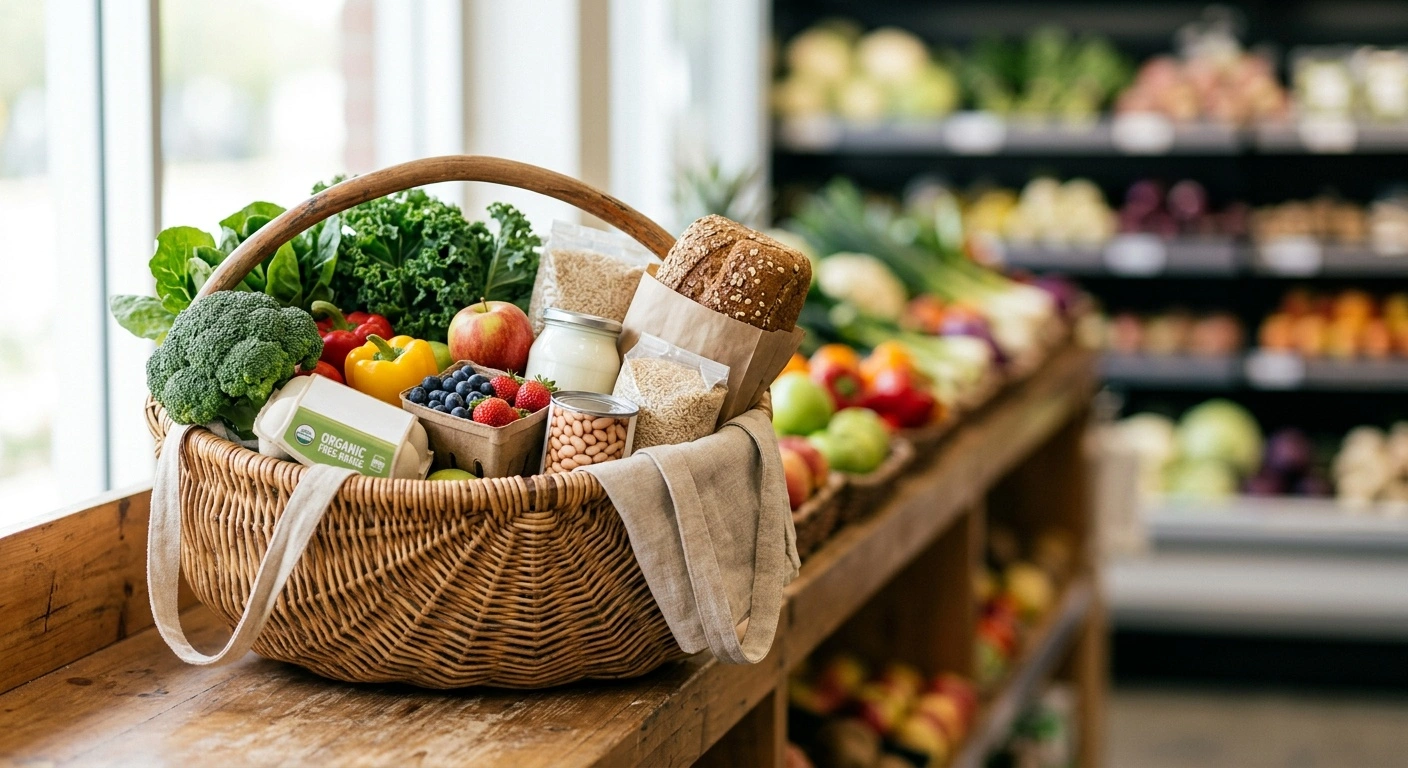
The following cart provides one flexible example, not a prescription. It can support several breakfasts, lunches, and dinners without complicated recipes. Adjust it for your food preferences, health needs, budget, medications, and glucose goals.
- Vegetables: frozen broccoli, salad greens, tomatoes, carrots, onions, and frozen pepper strips
- Proteins: eggs, chicken, canned tuna, plain yogurt, and black beans
- Carbohydrates: oats, brown rice, whole-grain bread, apples, berries, and sweet potatoes
- Fats and flavor: peanut butter, olive oil, nuts, vinegar, garlic, herbs, and spices
- Drinks: water, sparkling water, unsweetened tea, and coffee
For breakfast, make oatmeal with berries and nuts. You could also serve eggs with whole-grain toast and sliced tomatoes. Both meals use common ingredients and require little preparation.
Lunch might include tuna and vegetable salad with whole-grain crackers. For dinner, fill half the plate with broccoli and peppers. Add chicken to one quarter and brown rice to the other.
Black beans can replace the chicken in another meal. Adjust the rice portion because beans also contain carbohydrate. This small change keeps the plate balanced without requiring a separate recipe.
A registered dietitian nutritionist or certified diabetes care and education specialist can recommend suitable carbohydrate amounts. They can also adapt meals to your glucose data, culture, schedule, and budget.
Leave Room for Enjoyment and Household Needs
A diabetes-friendly eating pattern can include cultural dishes, convenience foods, and occasional sweets. Avoid dividing the store into “good” and “bad” foods. Instead, consider portion size, frequency, total carbohydrate, fiber, and the rest of the meal.
For a household, choose ingredients that people can assemble in different ways. Family members can share vegetables and protein while adjusting grain portions, toppings, or side dishes. This approach reduces extra cooking.
You can also adapt familiar meals. Add more vegetables, serve a smaller carbohydrate portion, or replace a sugary drink with water. Small, repeatable changes often work better than a complete menu overhaul.
Prediabetes and type 2 diabetes do not require special brands of food. People with type 1 diabetes can usually eat a varied diet while accounting for carbohydrates according to their care plan.
Gestational diabetes requires individualized guidance because pregnancy adds specific nutrition needs and glucose targets. Ask a prenatal care professional or registered dietitian to help plan meals and snacks.
Turn Your Shopping List Into a Repeatable Routine
A useful grocery routine does not depend on perfect choices every week. Keep a basic list of reliable vegetables, proteins, carbohydrate foods, and snacks. Add seasonal produce or sale items for variety.
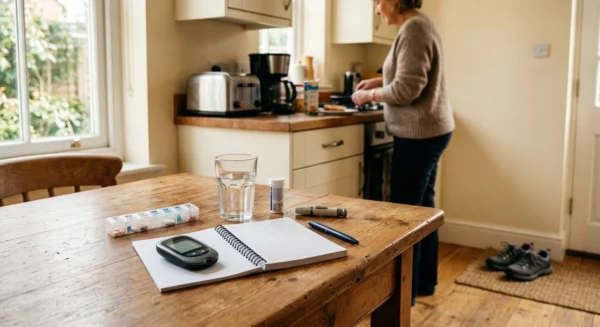
After meals, note which combinations satisfy you. If you monitor glucose at home, review how those meals fit your usual glucose patterns. A simple record can help you spot useful trends.
Bring recurring high or low readings to your diabetes care team. Do not remove major food groups or change medication on your own. Save labels or photograph products you want to discuss with a dietitian or diabetes care and education specialist.
Over time, diabetes grocery shopping becomes a practical routine rather than a set of rigid rules. Keep ingredients on hand for balanced meals, allow room for foods you enjoy, and adjust the plan as your needs change.