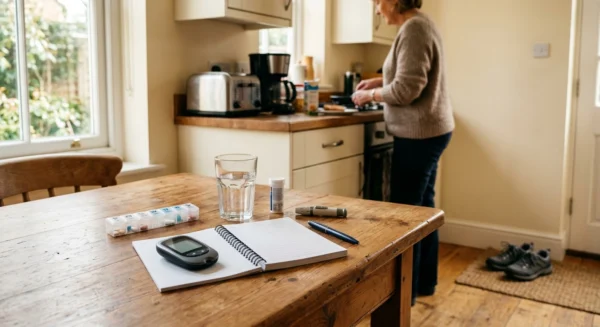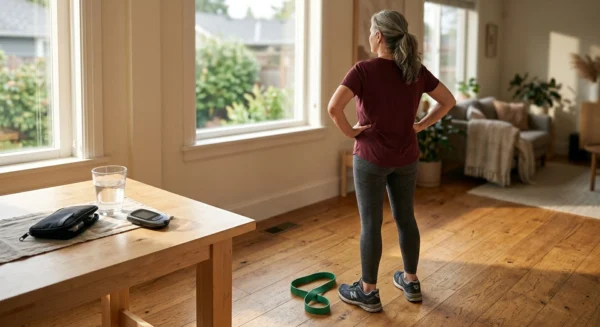

Exercises to lower blood sugar are among the fastest, most effective strategies for managing diabetes and bringing high glucose levels back into range. Whether you have Type 1 diabetes, Type 2 diabetes, or prediabetes, incorporating specific types of physical activity into your daily routine can lead to better insulin sensitivity, improved energy levels, and more consistent blood glucose control. In this comprehensive guide, we’ll cover which exercises work best, how they impact your blood sugar, and how to include them safely for optimal benefits.
Why Exercises to Lower Blood Sugar Work
Physical activity lowers blood sugar because muscles use glucose from the bloodstream to produce energy. During and after movement, your insulin sensitivity improves and glucose is pulled into muscle tissue more efficiently. This can cause a rapid drop in high blood sugar, especially after a meal or a sedentary period.
Not all workouts affect glucose levels the same way. Moderate-intensity activities that engage large muscle groups—such as brisk walking or cycling—often lower blood sugar quickly. On the other hand, resistance training builds long-term insulin sensitivity and increases baseline metabolic health. For best results, combine both types throughout your week.
The Best Exercises to Lower Blood Sugar Quickly
Looking for fast results? The following exercises to lower blood sugar are ideal when you need to reduce elevated glucose levels right away. These movements activate large muscle groups and promote circulation, helping glucose move from the bloodstream to cells for energy.
- Brisk walking (20–30 minutes): This accessible, moderate-intensity exercise increases heart rate and muscle demand for glucose. Walk in your neighborhood, on a treadmill, or around a mall to keep moving in any weather.
- Bodyweight circuits: Combine squats, push-ups (or wall push-ups), lunges, and high knees into short intervals with rest between sets. Circuits lasting 10–15 minutes can lead to noticeable blood sugar drops.
- Dancing: Dance to your favorite music at home or take a class. Even 15 minutes of dancing doubles as cardio and a fun way to lower glucose.
- Cycling (stationary or outdoor): Pedaling at a steady pace for 20–40 minutes uses large leg muscles and can be gentler on joints compared to jogging.
- Swimming or water aerobics: If available, water workouts offer excellent aerobic exercise with minimal joint stress. Swim for 30 minutes or join a group class to improve glucose regulation.
Always check your blood sugar before and after activity, especially if you take insulin or medications that affect glucose levels. Try a short walk after meals—it’s a proven way to reduce post-meal blood sugar spikes, particularly in people with Type 2 diabetes.
How HIIT Helps Lower Blood Sugar Fast
High-Intensity Interval Training (HIIT) combines brief bursts of hard effort with short recovery periods. This time-efficient workout method raises heart rate quickly, improves insulin sensitivity, and lowers blood glucose fast—even after short sessions.
Sample beginner HIIT routine:
- 3-minute warm-up: March or step in place
- 30 seconds: High knees
- 30 seconds: Rest
- 30 seconds: Squats
- 30 seconds: Rest
- 30 seconds: Jumping jacks or step jacks
- 30 seconds: Rest
Repeat for 15–20 minutes, followed by a cooldown. Do this 2–4 times weekly for lasting blood sugar improvements. HIIT is ideal when you’re short on time but want maximum benefits from movement.
Strength Training for Blood Sugar and Insulin Control
Though strength workouts may not drop blood sugar instantly, they play a key role in ongoing management. Building muscle increases your resting glucose uptake and insulin efficiency. Over time, this reduces spikes and improves daily blood sugar stability.
Perform resistance exercises 2–3 times per week using bands, light dumbbells, or gym machines. Focus on major muscle groups with movements like:
- Wall sits and leg presses
- Bicep curls and overhead presses
- Step-ups and hip bridges
- Planks and core work (e.g., bird dogs)
If you’re new to resistance training, work with a professional experienced in exercise and diabetes to build a safe, personalized plan.
Exercising Safely When Managing Diabetes
Before starting new exercises to lower blood sugar, it’s important to take safety measures—especially if you take insulin or medications that affect glucose. Here’s how to stay safe and avoid complications:
- Monitor glucose levels: Check before, possibly during, and after exercise. This helps you learn how your body responds and prevents surprises.
- Watch for hypoglycemia: Carry fast-acting carbs like glucose tablets, juice, or raisins in case your blood sugar drops too low.
- Stay hydrated: Drink water before, during, and after workouts. Dehydration can spike glucose and affect performance.
- Know when to skip: If your blood sugar is high and you have ketones (Type 1 diabetes), avoid exercise until levels normalize. Exercising under those conditions may worsen hyperglycemia.
- Wear supportive shoes: People with nerve or circulation issues should choose appropriate footwear and inspect feet daily.
Using a continuous glucose monitor (CGM)? These devices can send alerts about fast-rising or dropping glucose, helping you time workouts more effectively and respond to changes quickly.
Making Exercises to Lower Blood Sugar Part of Daily Life
Consistency matters more than intensity. The best results come when daily life includes movement. Even short bouts—like a 10-minute walk after meals—have been shown to improve glucose control meaningfully.
Here are practical tips to make exercises to lower blood sugar a regular habit:
- Break up sedentary time: Take a 5–10 minute activity break every hour if you’re seated at a desk or watching TV.
- Use reminders: Set phone alarms, use a fitness tracker, or rely on CGM notifications to move when blood sugar starts to rise.
- Keep it interesting: Vary your workouts between walks, yoga, cycling, resistance circuits, or dance classes for better engagement.
- Exercise with others: Social support keeps you motivated. Join a group or partner up with a friend or family member.
- Track your results: Use a journal or app to note how activities affect your glucose. Patterns can guide your routine and fuel motivation.
Weaving physical activity into your lifestyle empowers you to manage diabetes more confidently and effectively. Regular practice of exercises to lower blood sugar not only improves glucose levels—it boosts energy, reduces stress, supports heart health, and enhances overall quality of life.