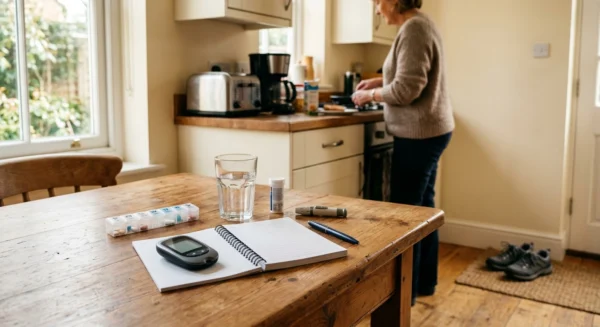
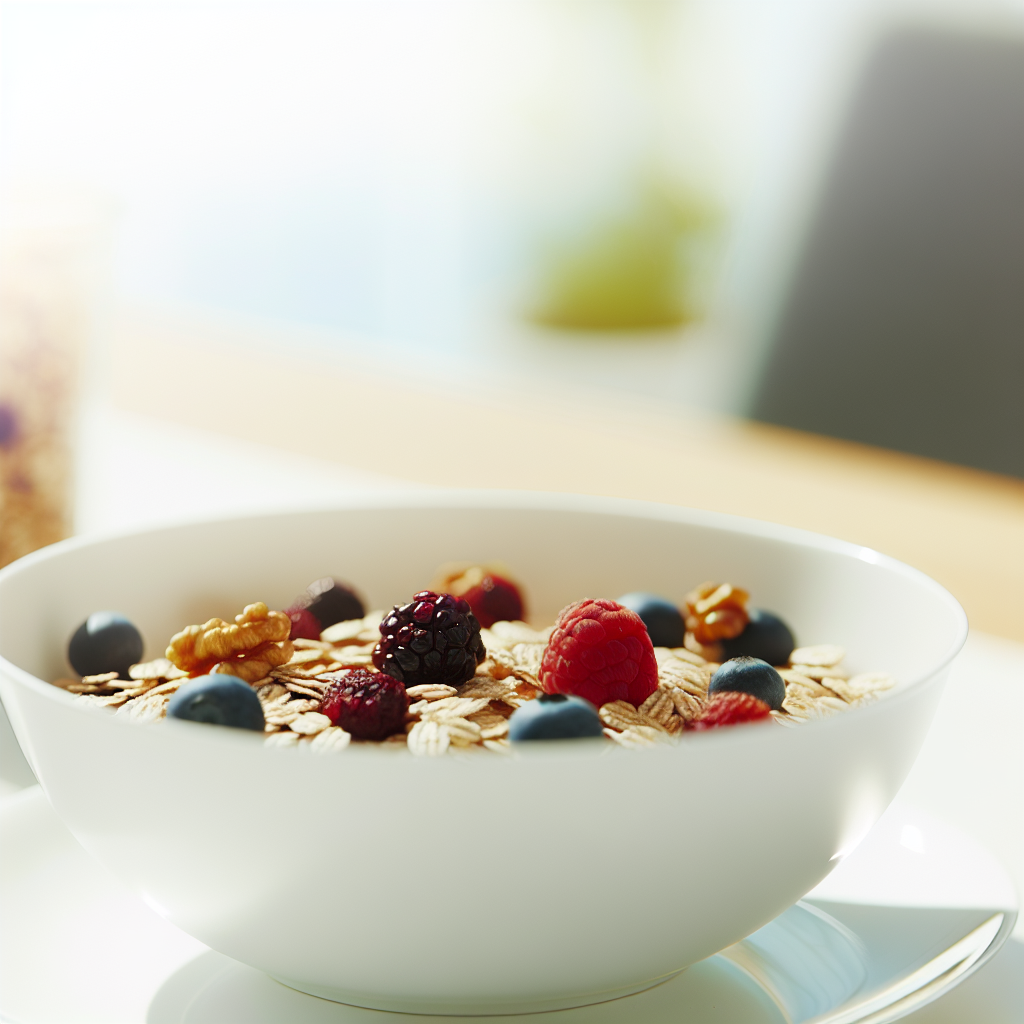
The best cereals for diabetics balance flavor and nutrition while supporting healthy blood sugar levels. For people managing Type 1 diabetes, Type 2 diabetes, or prediabetes, starting the day with a nutrient-dense, diabetes-friendly cereal can promote energy, satiety, and stable glucose. But with so many options on store shelves, choosing the right cereal is essential for long-term health and daily blood sugar management.
What Makes the Best Cereals for Diabetics?
Not all cereals marketed as “healthy” meet the criteria for diabetes management. To avoid post-meal glucose spikes, it’s important to read labels with a critical eye. The best cereals for diabetics typically share five key features:
- Low in added sugar: Choose cereals containing 0–5g of added sugar per serving.
- High in fiber: Fiber slows down carbohydrate digestion, helping moderate blood glucose. Look for at least 3–5g per serving.
- Made with whole grains: Ingredients like oats, bran, buckwheat, and quinoa contribute lasting energy and micronutrients.
- Minimally processed: Less processing means a lower glycemic index and greater nutritional value.
- Moderate protein content: Some cereals include added protein from nuts, seeds, or plant-based sources.
Pay attention to serving sizes. A standard portion is often ¾ to 1 cup (30–45g), but many people pour more than this. Over-portioning can double your carb intake and spike blood sugar unexpectedly.
Top 5 Best Cereals for Diabetics
While everyone’s glucose response varies slightly, the following cereals check the boxes for low sugar, fiber content, whole grains, and lower glycemic impact—making them strong contenders for the best cereals for diabetics.
1. Steel-Cut or Old-Fashioned Oats
Oats are naturally low in sugar and high in beta-glucan, a soluble fiber linked to blood sugar control and heart health. Steel-cut oats are the least processed, offering the lowest glycemic effect among oat varieties.
Tip: Avoid flavored instant packets. Instead, prepare plain oats and top with cinnamon, chia seeds, or a few fresh berries for flavor and nutrients.
2. Plain Shredded Wheat
Plain shredded wheat has just one or two ingredients—typically whole wheat and salt. It’s free of added sugars and artificial flavors and offers over 5g of fiber per serving, promoting digestive and glycemic health.
Tip: Add walnuts and unsweetened plant milk to round out the meal with healthy fat and protein.
3. High-Fiber Bran Cereals
Products like Post 100% Bran or Kellogg’s All-Bran are fiber powerhouses, delivering 10g or more of fiber per serving with minimal sugar. They promote satiety and blood sugar control throughout the morning.
Tip: Swap milk for plain Greek yogurt to increase protein and improve glucose stability.
4. Unsweetened Muesli
Traditional muesli blends oats, nuts, seeds, and sometimes dried fruit. Look for unsweetened versions with no added sugars. Brands like Bob’s Red Mill offer raw muesli options rich in nutrients and customizable to taste.
Tip: Serve cold after soaking overnight in almond or soy milk. Add a few raspberries for natural sweetness.
5. Low-Carb, High-Protein Cereals
Cereal brands like Catalina Crunch, Magic Spoon, and Diabetic Kitchen are tailored for blood sugar control. These cereals generally include plant-based proteins, fiber, and sugar-free sweeteners like erythritol or monk fruit.
Tip: These products may cost more, but they’re accessible online and at natural food stores like Sprouts or Whole Foods.
How to Build a Blood Sugar-Friendly Breakfast
The best cereals for diabetics shine brightest when paired with protein, fiber, and healthy fat. Combining cereal with nutrient-dense sides creates a more balanced meal that slows glucose absorption and enhances fullness.
- For protein: Add Greek yogurt, hard-boiled eggs, cottage cheese, or pea-protein-based milk.
- For healthy fats: Sprinkle in chia seeds, ground flaxseeds, almonds, or natural nut butters.
- For low-GI fruit: Top with small servings of berries, apple slices, or pear chunks to add fiber and antioxidants.
Test your blood glucose 1 to 2 hours after breakfast to analyze your response. Aim for a post-meal reading under 180 mg/dL (10 mmol/L), or as recommended by your healthcare provider.
Cereal and the Glycemic Index: A Smart Guide
The glycemic index (GI) rates how fast carbohydrate-rich foods raise blood sugar. Foods with lower GI scores trigger a slower, steadier rise in glucose—a key benefit for diabetes management.
Low-to-moderate GI choices include:
- Steel-cut oats (GI ~55)
- All-Bran (GI ~38)
- Unsweetened muesli (GI ~50–60)
- Shredded wheat (GI ~67)
High GI cereals like cornflakes, puffed rice, or sugar-laden cereal clusters cause rapid glucose spikes and should be limited or avoided. Choosing cereals with both low GI and high fiber is ideal for stable energy and long-term health.
Smart Cereal Shopping Tips for Diabetic-Friendly Choices
When browsing the cereal aisle, packaging claims like “heart-healthy” or “whole grain” can be misleading. Use these tips to select the best cereals for diabetics confidently:
- Check the ingredient list: Whole grains should be the first ingredient. Avoid cereals with sugar, syrups, or honey as prominent ingredients.
- Compare portion sizes: Nutritional facts are listed per serving. If your usual bowl is larger, adjust carb estimates accordingly.
- Filter by added sugar: Look on the nutrition label for “added sugars” to separate natural sugars from unhealthy sweeteners.
- Use bulk bins: Many health stores offer plain oats, bran, or muesli blends in bulk—these are cost-effective and let you skip excess packaging and added ingredients.
- Be cautious with fruit-filled cereals: Even dried fruits can cause quick glucose spikes. Always scan the added sugar content.
Consider using a glucose meter or continuous glucose monitor (CGM) to observe how cereal affects your blood sugar. These tools help refine your breakfast strategy in real time.
Create a Sustainable Breakfast Routine
Incorporating the best cereals for diabetics into your morning isn’t just about choosing a box. It’s about creating a morning routine that works for your lifestyle and supports your health goals. Plan ahead with overnight oats or bulk-prep cereal mixes. Prioritize balance in macronutrients, and stay consistent with meal timing to help regulate blood sugar patterns.
Working with a registered dietitian or Certified Diabetes Care and Education Specialist (CDCES) can help fine-tune breakfast strategies around your medications, preferences, and glucose metrics. The right cereal can be both satisfying and smart—making it a valuable player in your daily diabetes management plan.