Carb counting is a crucial skill for managing diabetes effectively. It empowers individuals to make informed choices about food, medication, and blood sugar control. Whether you’re newly diagnosed or supporting a loved one with type 1 or type 2 diabetes, learning how to count carbohydrates provides the confidence to navigate meals, grocery shopping, and daily routines while maintaining stable glucose levels.
What Is Carb Counting and Why It Matters
Carb counting focuses on understanding how carbohydrates affect blood sugar. Carbohydrates are a primary source of energy, converted into glucose, which enters the bloodstream. For people with diabetes, insulin production or usage is impaired, making it essential to monitor carb intake to maintain target blood sugar levels.
By tracking the grams of carbs in each meal or snack, individuals can match their intake with insulin use or other medications effectively. This approach helps minimize blood sugar spikes, prevent complications, and support overall well-being.
Think of carb counting like financial budgeting. Understanding where carbohydrates come from allows you to make intentional choices — controlling meal portions, timing, and food types to support your blood glucose goals.
Understanding Carbohydrate Types and Sources
Not all carbohydrates are created equal. Here are the three main types and where you’ll find them in your diet:
- Sugars: Naturally present in fruits (fructose) and dairy (lactose), and added to items like candy, soda, and baked goods.
- Starches: Found in bread, rice, pasta, cereals, potatoes, corn, peas, and legumes.
- Fiber: An indigestible carb found in whole grains, vegetables, fruits, legumes, and nuts. Fiber doesn’t increase blood sugar and can sometimes be subtracted from the total carbs depending on your care team’s advice.
Labels provide total carbohydrate values, but you’ll often need to estimate amounts for foods without nutrition panels — such as fresh produce or home-cooked meals. In these cases, carb-counting apps or food reference books become valuable tools.
How to Read Nutrition Labels for Effective Carb Counting
Nutrition labels give key data for carb counting. To make the most of them, follow these steps:
- Check the serving size: Start here. All information is based on this portion.
- Review total carbohydrates: Listed in grams, this includes sugars, starches, and fiber.
- Adjust for fiber: If a food has 5+ grams of fiber per serving and your provider approves, subtract fiber from total carbs to arrive at net carbs.
- Scan added sugars: These cause quicker spikes in blood sugar. Aim to reduce them when possible.
For example, eating 2 servings of oatmeal (27g carbs each) gives you 54g of carbs. If each serving contains 4g fiber, you could subtract 8g total, resulting in 46g net carbs — with professional guidance. Keeping track this way promotes more stable blood glucose readings after meals.
Setting Your Personal Carb Goals
Your carb needs depend on several factors, including age, lifestyle, medications, and type of diabetes. A registered dietitian or diabetes educator can help set appropriate targets, but here are general recommendations to consider:
- Women: 45–60 grams per meal, 15–30 grams per snack
- Men: 60–75 grams per meal, 15–30 grams per snack
If you use insulin, your care team may assign a personalized insulin-to-carb ratio. For example, some use 1 unit of insulin for every 10 grams of carbohydrate, enabling accurate dosing before meals. This makes room for occasional indulgences, like pasta or birthday cake, while keeping your glucose stable.
Those managing type 2 diabetes without insulin still benefit from carb tracking. Limiting highly processed carbs and focusing on portion control supports energy balance and weight management. Even reducing overall carb intake may help those with prediabetes improve A1C levels and boost insulin sensitivity.
Essential Carb Counting Tools and Resources
Technology makes carb counting more accessible than ever. A range of tools can streamline your daily routine:
- Mobile apps: MyFitnessPal, MySugr, Carb Manager, and CalorieKing help identify carb values in both packaged and restaurant foods.
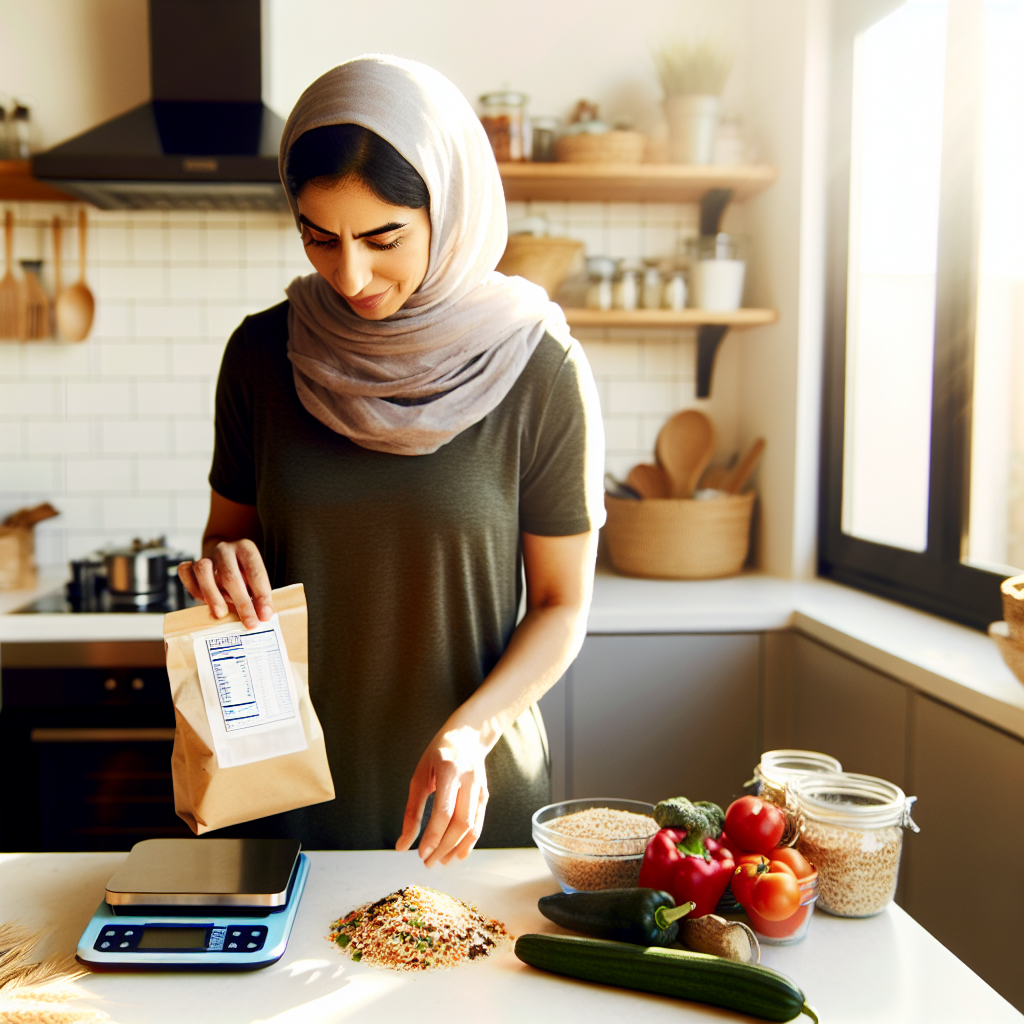
- Digital food scales: Devices like Escali SmartConnect measure food weight and convert it to carb counts — perfect for home-cooked meals.
- Reference guides: Books like the ADA’s “Choose Your Foods” or the “Complete Book of Food Counts” offer reliable info offline.
- CGMs and insulin pumps: Continuous glucose monitors and smart pumps let users see patterns based on their carb intake and make adjustments in real time.
Pair these tools with guidance from your dietitian or educator to create a personalized carb tracking system that works with your lifestyle, not against it.
Overcoming Common Carb Counting Challenges
Learning to count carbs accurately takes time, but many people share similar challenges. Here’s how to tackle them:
- Portion accuracy: Use scales and measuring tools until you can eyeball portions with confidence.
- Dining out: Preview menus online, choose items with clear ingredients, and don’t hesitate to ask questions about food prep.
- Homemade meals: Break down recipes into individual components. Nutritional apps can assist with estimating total carbs per portion.
- Overwhelm: Start small — focus on one meal per day, then build from there as your comfort grows.
- Inconsistent results: Blood sugar is affected by sleep, stress, exercise, and medication timing. Work with your care team to troubleshoot.
Success with carb counting comes from progress, not perfection. Small, steady improvements have a meaningful impact on your diabetes management.
Integrating Carb Counting into Your Daily Life
Making carb counting part of your routine helps it feel second nature over time. Create meal patterns that balance carbohydrates with protein and healthy fats. Meal prepping or keeping pre-portioned foods on hand simplifies food choices and supports consistency.
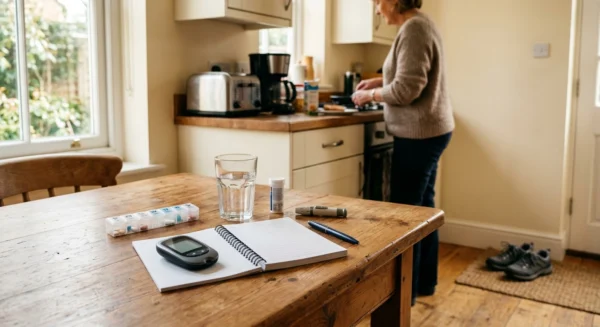
Journaling your meals alongside blood glucose readings can highlight patterns — for instance, noticing that an apple alone spikes your sugar but pairing it with cheese keeps it steady.
At its core, carb counting supports freedom and control — not restriction. With the right tools, support, and information, you can eat well, enjoy flexibility, and manage your diabetes confidently.