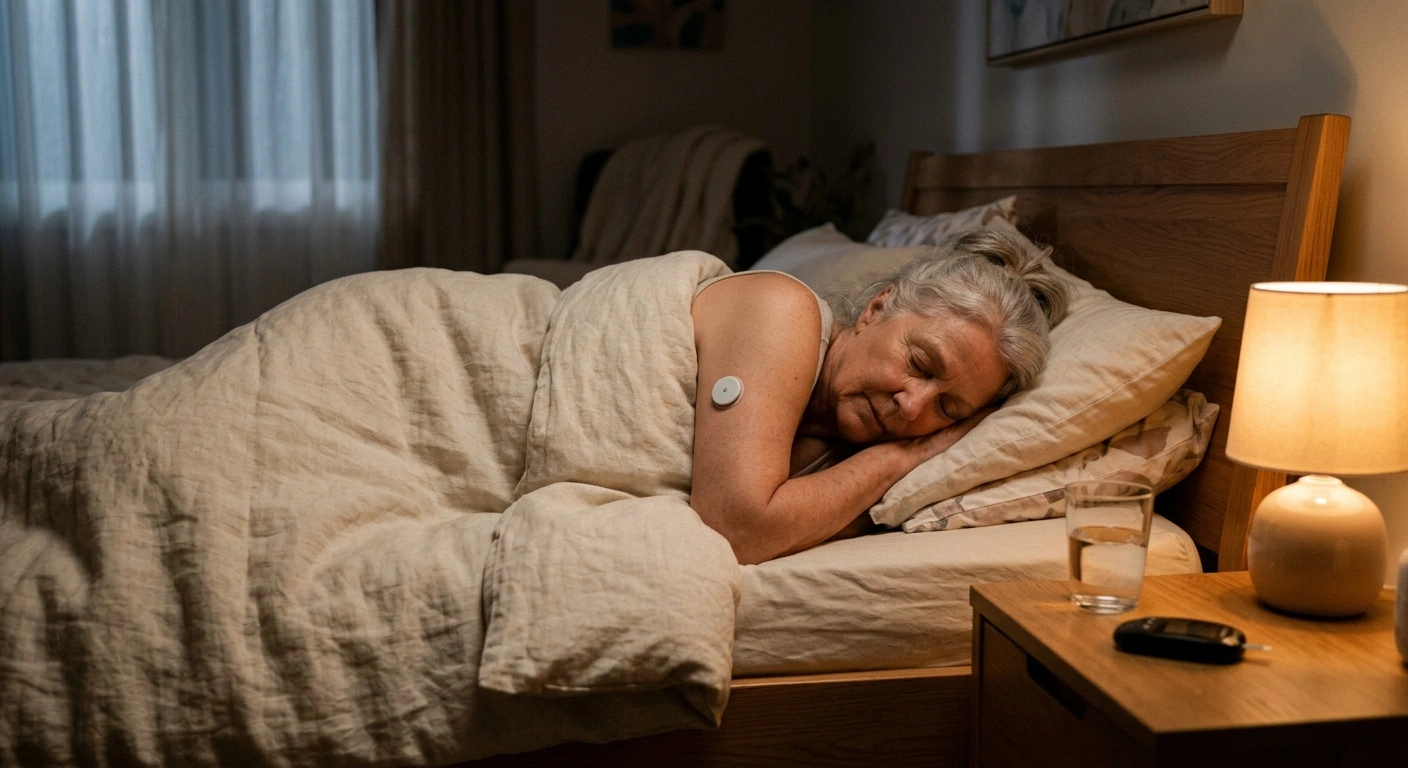
Blood sugar during sleep usually stays within a narrow range. However, hormones, food, activity, illness, alcohol, and diabetes treatment can make it rise or fall. While you fast overnight, your liver releases stored glucose to fuel your brain and other organs.
Insulin balances this release and helps glucose move into cells. People with type 1 diabetes do not make insulin. People with type 2 diabetes may not make enough insulin or use it effectively.
As a result, glucose can climb overnight, especially before waking. Overnight lows occur most often in people who use insulin or medications that can cause hypoglycemia.
How the body manages blood sugar during sleep
Your body continues to use energy after you go to bed. The liver releases glucose throughout the night to provide a steady fuel supply. In someone without diabetes, the pancreas releases small amounts of insulin to balance that glucose.
People with type 1 diabetes need background insulin from injections or an insulin pump. With type 2 diabetes, insulin resistance or reduced insulin production can leave too much glucose in the bloodstream. People with prediabetes may also develop higher morning readings as insulin resistance increases.
Sleep stages and the body’s internal clock affect cortisol, growth hormone, and other hormones. These hormones can reduce insulin sensitivity and prompt the liver to release more glucose. Therefore, a morning reading may exceed a bedtime reading even when you have not eaten.
Common nighttime glucose patterns
Some people maintain steady glucose overnight, followed by a modest rise before waking. Others remain high after dinner or see their glucose fall gradually. A repeated pattern offers more useful information than one unusual reading.
A high bedtime reading that remains high may reflect dinner, a snack, illness, stress, or the treatment plan. If glucose starts in range but rises near morning, the dawn phenomenon may explain the change. A steady decline may follow medication, evening exercise, alcohol, or a smaller carbohydrate intake than usual.
Do not change medication doses or timing after one night of readings. Instead, collect several days of information. Your doctor, pharmacist, or diabetes care team can then identify patterns and recommend safe changes.
Why blood sugar may rise before morning
The dawn phenomenon causes a common early-morning rise in glucose. Cortisol, growth hormone, and other hormones prepare the body to wake. They also increase insulin resistance and encourage the liver to release glucose.
People with type 1 or type 2 diabetes may lack enough effective insulin to balance this release. The increase often begins during the early morning hours and continues until waking.
Clinicians also discuss the Somogyi effect, which describes an overnight low followed by a rebound high. Researchers debate how often this happens, and evidence suggests it is uncommon. Continuous glucose monitoring shows that many morning highs occur without a preceding low.
Overnight readings can help distinguish these patterns. A continuous glucose monitor, or CGM, shows the timing and direction of changes. If you do not use a CGM, your clinician may recommend carefully timed fingerstick checks.
Overnight low blood sugar
Low blood sugar means a glucose level below 70 mg/dL. Clinicians consider a level below 54 mg/dL clinically significant. Overnight lows occur most often in people who take insulin or sulfonylureas.
Possible warning signs include sweating, restless sleep, nightmares, or a pounding heartbeat. You may also wake with shakiness, hunger, a headache, confusion, or unusual fatigue. Some people notice no symptoms, especially after frequent lows or many years with diabetes.
A CGM alert can help detect an overnight low. However, confirm the result with a fingerstick if your symptoms do not match the sensor reading. Follow the device instructions and your care team’s monitoring plan.
If you are awake and can swallow safely, use the 15-15 rule. Take 15 grams of fast-acting carbohydrate, wait 15 minutes, and check again. Repeat these steps if your reading remains below 70 mg/dL.
Options include glucose tablets or gel according to package directions, 4 ounces of juice, or regular soda. Do not use diet soda to treat a low. Once glucose returns to your target range, follow your care team’s plan for preventing another drop.
A severe low that causes confusion, seizure, or unconsciousness requires emergency care. Someone should call 911 and administer glucagon if they know how to use it. Never give food or drink to a person who cannot swallow safely.
Evening meals, snacks, exercise, and alcohol
A large evening meal can keep glucose high for several hours. Refined carbohydrates may cause a rapid rise, while fat and protein can delay digestion. Foods such as pizza, fried meals, and large restaurant portions may produce a later increase.
Not everyone needs a bedtime snack. Extra carbohydrate can raise glucose, but a planned snack may help some people prevent lows. Ask a dietitian or diabetes care specialist how an evening snack fits your treatment plan.
Physical activity usually improves insulin sensitivity because working muscles use glucose. This effect can continue for hours after exercise. Therefore, an evening workout may increase the risk of an overnight low.
This risk matters most for people who use insulin or sulfonylureas. Check glucose around activity as your care team recommends, and carry fast-acting carbohydrate. Ask the prescribing clinician about treatment adjustments instead of changing medication yourself.
For many adults with diabetes, the American Diabetes Association recommends at least 150 minutes of moderate-to-vigorous activity each week. It also recommends resistance training two or three times weekly. Your health, mobility, complications, and current fitness should guide your activity plan.
Alcohol can cause a delayed low, sometimes several hours after drinking. The risk increases for people who use insulin or sulfonylureas. Alcohol limits the liver’s ability to release glucose because the liver prioritizes processing it.
Do not drink alcohol on an empty stomach. Wear medical identification because others may mistake low blood sugar symptoms for intoxication. Discuss alcohol and medication safety with your doctor or pharmacist.
How sleep quality affects glucose
Glucose levels can disrupt sleep, and poor sleep can make glucose harder to manage. Too little sleep raises stress hormones and can reduce insulin sensitivity. This may contribute to higher fasting or daytime readings.
High glucose can interrupt sleep by causing thirst and frequent urination. Low glucose may cause sweating, vivid dreams, restlessness, or sudden awakening. These disruptions can affect glucose management the next day.
Obstructive sleep apnea may also worsen insulin resistance. Warning signs include loud snoring, gasping, witnessed breathing pauses, morning headaches, and persistent daytime sleepiness. Ask a healthcare professional whether you need a sleep evaluation.
How to monitor overnight patterns
Start by comparing bedtime and waking readings for several days. Record dinner, snacks, activity, alcohol, illness, stress, and nighttime symptoms. Also record each medication exactly as prescribed.
For many nonpregnant adults, the American Diabetes Association recommends 80 to 130 mg/dL before meals. It recommends less than 180 mg/dL one to two hours after a meal begins. These general goals do not replace personal instructions.
Many CGM users aim to spend more than 70% of the day between 70 and 180 mg/dL. Your care team may choose different targets based on your health and treatment. Pregnancy, age, other conditions, and hypoglycemia risk can all affect those targets.
A CGM measures glucose in interstitial fluid rather than directly in blood. Sensor readings can lag several minutes behind blood glucose, especially during rapid changes. Use a fingerstick when symptoms conflict with the reading or the device tells you to check.
Your care team may ask you to check at bedtime, on waking, and occasionally overnight. Avoid setting repeated alarms unless the checks answer a specific clinical question. Poor sleep can make glucose management more difficult.
Bring your meter or CGM report to appointments. Include your medication list and notes about food, activity, alcohol, and symptoms. These details help your care team interpret the numbers.
Troubleshooting nighttime and morning readings
- Glucose is high at bedtime and remains high in the morning. Dinner, a late snack, illness, stress, or the treatment plan may keep glucose high. Record meal portions and timing, choose water instead of sweetened drinks, and contact your care team if the pattern continues.
- Glucose starts in range but rises near waking. The dawn phenomenon may increase liver glucose release and insulin resistance. Review several nights of CGM data or ask whether timed fingerstick checks could clarify the pattern.
- Glucose falls after evening exercise. Muscles can remain sensitive to insulin for hours after activity. Check around exercise as directed, carry fast-acting carbohydrate, and ask your care team about a prevention plan.
- A CGM shows a sudden low, but you feel normal. Pressure on the sensor during sleep can cause an artificially low reading. Change position and use a fingerstick if the reading does not match your symptoms.
- Morning glucose varies widely. Dinner timing, portions, activity, alcohol, stress, and sleep quality may change from night to night. Keep a log for one or two weeks and look for repeated connections.
- You wake sweaty, shaky, confused, or with a severe headache. Check your glucose immediately if you can do so safely. Use the 15-15 rule for a reading below 70 mg/dL.
No single nighttime pattern identifies the cause with certainty. Note whether the change starts after dinner, after exercise, during the night, or shortly before waking. Timing helps distinguish meal effects, medication-related lows, the dawn phenomenon, and sensor problems.
Practical steps for steadier nights
Begin with a consistent routine instead of trying to make every reading perfect. Eat dinner at a predictable time, stay hydrated, and keep a regular sleep schedule. These habits make repeated patterns easier to identify.
Build dinner around non-starchy vegetables, a protein source, and a measured carbohydrate portion. Carbohydrate options include beans, whole grains, fruit, and starchy vegetables. A dietitian can help match portions to your needs and treatment.
A short walk after dinner may help your muscles use glucose. Choose a pace and distance that suit your health and mobility. If you take insulin or a sulfonylurea, monitor as directed and carry fast-acting carbohydrate.
Keep treatment supplies within reach. These may include a glucose meter, fast-acting carbohydrate, and glucagon. People at risk for severe hypoglycemia should teach household members where to find glucagon and how to use it.
Follow your care team’s sick-day plan during illness. Drink fluids and check glucose more often as directed. People with type 1 diabetes should also check ketones according to their plan.
Never stop insulin because you are not eating. Contact your care team for instructions. Seek urgent medical guidance if you cannot keep fluids down, have high ketones, or develop severe symptoms.
Building a clearer overnight picture
One unusual morning number rarely explains blood sugar during sleep. A short log provides more useful evidence than a single result. Include bedtime and waking readings, meals, activity, alcohol, symptoms, and sleep quality.
Contact your diabetes care team after repeated overnight readings below 70 mg/dL. Also report frequent morning highs, worsening thirst, increased urination, disrupted sleep, or unexplained meter and CGM differences.
Call 911 for a severe low that causes confusion, seizure, or unconsciousness. A trained person should administer glucagon if it is available. Do not give food or drink to someone who cannot swallow.
The goal is not a perfectly flat glucose line every night. Instead, identify repeated patterns and reduce dangerous highs and lows. Your care team can help create a plan that fits your medications, activity, health, and daily routine.