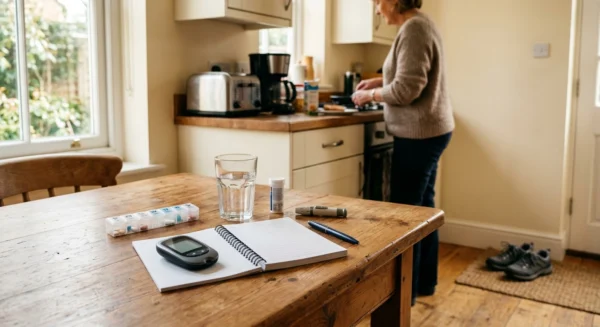

Recognizing high blood sugar symptoms early is crucial for anyone managing diabetes. These signs often serve as your body’s first warning that glucose levels are out of balance. Whether you’re newly diagnosed or have been living with diabetes for years, staying informed about symptoms can help prevent serious complications.
What Is High Blood Sugar and Why It’s Important
Blood sugar, also known as glucose, is your body’s primary energy source. It fuels everything from mental focus to physical activity. In diabetes, either the body doesn’t make enough insulin or cannot use it effectively, causing glucose to accumulate in the bloodstream. A fasting glucose level over 130 mg/dL (7.2 mmol/L) or post-meal reading above 180 mg/dL (10 mmol/L) suggests hyperglycemia.
Persistent high blood sugar can damage blood vessels, organs, and nerves over time. Conditions like diabetic neuropathy, kidney disease, and vision loss often trace back to poorly controlled glucose levels. Severe spikes may even result in diabetic ketoacidosis (DKA) or hyperosmolar hyperglycemic state (HHS)—both medical emergencies.
By understanding high blood sugar symptoms, you can proactively monitor glucose trends and take steps to stabilize your health before problems worsen.
Most Common High Blood Sugar Symptoms to Watch For
When blood sugar levels rise, your body reacts in predictable ways. If these signs occur frequently, it’s important to check your glucose and contact your healthcare provider if necessary:
- Excessive thirst (polydipsia) – Constant dryness in the mouth or feeling the need to drink water despite adequate intake could signal elevated blood sugar.
- Frequent urination (polyuria) – Increased trips to the bathroom, especially overnight, result from the kidneys working overtime to remove excess glucose.
- Fatigue – High sugar levels can prevent glucose from reaching your cells, leaving you feeling unusually tired or sluggish.
- Blurred vision – Swelling in the eye’s lenses due to high sugar disrupts focus and clarity.
- Headaches or brain fog – Elevated glucose can interfere with normal brain function, making concentration harder.
- Unexplained weight loss – Common in Type 1 diabetes, this occurs when the body burns fat and muscle for energy due to insufficient insulin.
These high blood sugar symptoms may start small but can escalate if ignored. Tracking your numbers with a glucometer or continuous glucose monitor (CGM) helps identify trends early and prevent serious health issues.
Less Obvious Signs of High Blood Sugar
Some symptoms build slowly and may be mistaken for unrelated health issues. Yet they often indicate that your blood sugar has been high for an extended period, even slightly. These subtler signs include:
- Dry or itchy skin – A result of fluid loss and decreased circulation, often linked to prolonged elevated glucose levels.
- Slow-healing cuts or bruises – High sugar impairs immune cells and blood flow, making it harder for wounds to mend.
- Numbness or tingling – Signs of developing neuropathy, especially in the hands and feet.
- Recurring infections – Frequent urinary tract, yeast, or gum infections can result from reduced immune defense.
- Fluctuating appetite – Sudden hunger or lack of appetite may reflect glucose instability or insulin resistance.
If these high blood sugar symptoms emerge regularly, it’s worth reevaluating your management plan. Apps and digital diaries make it easier to spot long-term patterns that may otherwise go unnoticed.
Emergency Symptoms: When to Seek Immediate Help
In some cases, high blood sugar progresses rapidly and becomes dangerous. Severe hyperglycemia can be life-threatening, particularly in Type 1 diabetes. Call emergency services immediately if you or someone you know experiences any of the following:
- Fruity or acetone-like breath – A result of ketone accumulation, a red flag for DKA.
- Labored or rapid breathing – A signal that the body is becoming acidic and struggling to maintain balance.
- Stomach upset – Persistent vomiting, nausea, or abdominal pain may accompany dangerously high blood sugar.
- Mental confusion or dizziness – The brain is affected when sugar stays elevated for too long.
- Signs of dehydration – Dry skin, very dark urine, sunken eyes, or fainting indicate severe fluid loss.
DKA is more common in people with Type 1 diabetes and may occur after missed insulin doses, illness, or puberty. HHS usually affects those with Type 2 diabetes and can be triggered by infections, steroids, or extreme dehydration. Both require hospitalization and IV insulin treatment.
How to Respond When High Blood Sugar Symptoms Occur
If you spot high blood sugar symptoms, begin with a glucose check. Immediate action can prevent numbers from rising further:
- Test your glucose level – Use your monitor before and after meals, as well as at bedtime, to get a fuller picture.
- Record trends – Include food intake, medications, activity, stress levels, and sleep to identify triggers.
- Drink more water – Hydration supports kidney function and helps eliminate excess sugar through urine.
- Incorporate light exercise – A 10-15 minute walk may help lower your glucose naturally—avoid if ketones are present.
- Review your sick-day plan – When sick, blood sugar rises more easily. Follow preplanned steps for medication timing and hydration.
Consistently high readings should prompt you to reach out to your endocrinologist or diabetes care team. Adjustments to medication, diet, or physical activity may be necessary.
Lifestyle Triggers That May Worsen High Blood Sugar Symptoms
Daily choices about food, activity, and stress management directly affect glucose control. If blood sugar spikes are frequent, review these common influences:
- Irregular meal timing – Skipping meals or overeating large portions can lead to uneven glucose highs and lows.
- Processed or sugary foods – Hidden sugars and refined carbs raise glucose rapidly. Read labels carefully and favor whole foods.
- Forgetting medications – Missed doses of insulin, metformin, or other agents can lead to prolonged highs.
- Stress response – Hormones like cortisol and adrenaline increase blood sugar. Mindfulness and relaxation exercises lower these effects.
- Inadequate sleep – Less than seven hours per night reduces insulin sensitivity, making glucose harder to manage.
Working with a certified diabetes care and education specialist (CDCES) or dietitian can help refine your routine for better outcomes. Small sustainable changes can improve insulin responsiveness and reduce symptoms over time.
Managing High Blood Sugar Symptoms Starts with Awareness
By staying attentive to high blood sugar symptoms, you put yourself in a stronger position to manage diabetes effectively. Don’t ignore subtle signs—your body often speaks softly before it shouts. Monitor regularly, stay consistent with your care plan, and consult your healthcare provider when readings stay high.
Proactive management and education are essential tools. With the right strategies, you can reduce symptom frequency, prevent complications, and feel confident in your diabetes journey.