
Exercise for blood sugar control works because active muscles use more glucose for energy. Activity often lowers glucose during a workout and improves insulin sensitivity afterward. For most people with type 1 diabetes, type 2 diabetes, or prediabetes, an effective plan combines aerobic activity, resistance training, and less sitting.
No single workout suits everyone, and harder exercise does not always produce better results. Walking, cycling, swimming, strength exercises, and short movement breaks can all help when performed regularly. Your response depends on your starting glucose, recent meals, fitness, exercise intensity, and medications.
If you take insulin or medicine that can cause low blood sugar, plan exercise with your diabetes care team. Physical activity supports diabetes management, but it does not replace prescribed medication or routine medical care.
How Exercise Lowers Blood Sugar
During activity, your muscles need more energy and pull glucose from your bloodstream. Muscle contractions help glucose enter muscle cells through a process that does not depend entirely on insulin. This explains why exercise can help when insulin resistance is present.
The same process occurs in people with prediabetes, type 2 diabetes, and type 1 diabetes. Exercise can also increase insulin sensitivity for several hours. As a result, the insulin your body makes or the insulin you take may work more effectively.
Regular activity may help lower fasting glucose, limit after-meal increases, and improve A1C over time. However, exercise does not always lower glucose right away. During intense activity, adrenaline tells the liver to release stored glucose for quick fuel.
Sprinting, heavy lifting, and competitive sports may cause a temporary increase during or shortly after exercise. The activity may still improve long-term glucose management. Review patterns across several workouts instead of judging an exercise by one reading.
Choosing the Best Exercise for Blood Sugar Control
A useful program usually includes aerobic activity and resistance exercise. Each type supports glucose management differently. Aerobic exercise uses glucose while you move, while resistance training builds muscle that can store and use glucose.
Breaking up long periods of sitting provides another benefit, especially after meals. The American Diabetes Association recommends at least 150 minutes of moderate-intensity activity each week for most adults with diabetes. It also recommends resistance training two or three times per week.
Spread activity across several days when possible. Your ability, health conditions, balance, joint comfort, and fitness level should guide the plan. If you have been inactive, begin with a few minutes instead of attempting a long workout.
- Aerobic activity: Brisk walking, cycling, swimming, water exercise, dancing, or using an elliptical machine.
- Resistance exercise: Weight machines, free weights, resistance bands, wall pushups, or chair stands.
- Movement breaks: Standing, walking, or doing light household tasks after long periods of sitting.
- Balance and flexibility work: Yoga, stretching, tai chi, and balance exercises that support safer movement.
Access and enjoyment matter because activity only helps when you can repeat it. A comfortable walk near home may prove more useful than a complicated program you cannot maintain.
Pause if exercise causes pain, dizziness, unusual shortness of breath, or repeated glucose problems. Ask your care team how to adjust your routine.
Aerobic Exercise During and After Activity
Moderate aerobic exercise often produces the most predictable glucose response. Examples include brisk walking, steady cycling, lap swimming, water aerobics, and dancing. At moderate intensity, your heart rate rises, but you can still speak in short sentences.
Working muscles use circulating glucose, and your body often responds better to insulin afterward. Walking offers a practical starting point because it requires little equipment. You can also divide it into short sessions.
A 10- or 15-minute walk after a meal may help limit an after-meal glucose rise. The activity gives your muscles a place to use some of the glucose entering your bloodstream. If walking hurts, try seated marching, water exercise, or a stationary bicycle.
Longer or harder aerobic sessions may have a stronger and more prolonged effect. However, they also increase the risk of low blood sugar for people who use insulin or sulfonylureas. Check your glucose before and after activity if you take either treatment.
Carry fast-acting carbohydrate and discuss exercise timing with your diabetes care team. Never reduce, delay, or skip medication on your own to accommodate a workout.
Resistance Training Builds Muscle That Uses Glucose
Resistance exercise asks your muscles to work against weight or tension. You can lift weights, use resistance bands, work on machines, or perform body-weight movements. Chair stands, step-ups, and wall pushups are practical examples.
Resistance exercise may lower glucose during a session, although the immediate effect varies. Its long-term value comes partly from maintaining or increasing muscle tissue. Muscle provides a major storage site for glucose.
Preserving muscle becomes especially important with age, when strength and muscle mass often decline. Resistance training can also make daily tasks easier. These include climbing stairs, carrying groceries, and getting out of a chair.
A balanced session can work the legs, hips, back, chest, abdomen, shoulders, and arms. Good form matters more than heavy weight. This is especially true for beginners and people with joint, heart, eye, nerve, or kidney complications.
Ask a physical therapist, qualified fitness professional, or diabetes care team for guidance if you need help choosing safe movements. Certain diabetes-related eye conditions may require you to avoid heavy straining or breath-holding. An eye care professional can help set appropriate limits.
Combining Aerobic and Resistance Activity
Combining aerobic and resistance exercise often provides broader benefits than using either type alone. You might walk several days a week and perform strength exercises on two or three nonconsecutive days. You can also include both types in one session.
Exercise order can affect your immediate glucose response, especially if you use insulin. Steady aerobic activity often lowers glucose more quickly. In contrast, intense strength work may cause a temporary rise when stress hormones prompt the liver to release glucose.
For some people with type 1 diabetes, resistance exercise before aerobic activity may slow a glucose drop. Individual responses vary, so track your own pattern. Do not rearrange insulin without professional guidance.
Interval exercise alternates faster efforts with easier recovery periods. It can improve fitness efficiently, but intense intervals may temporarily raise glucose. They may not suit people who have just started exercising or who manage certain complications.
Begin with moderate activity. Ask your care team whether vigorous intervals fit your heart health, blood pressure, joints, eyes, and diabetes treatment plan.
Why Post-Meal Movement Can Help
Glucose commonly rises after eating because your digestive system breaks carbohydrate into glucose. Gentle or moderate activity encourages your muscles to use some of that incoming glucose.
A short walk, light cycling, kitchen cleanup, or several rounds of chair stands may reduce the size or duration of the rise. You do not need a formal workout after every meal. Consistency matters more than perfection.
If one meal regularly leads to higher readings, test a repeatable routine. Try the same safe activity at roughly the same time on several days, then compare the results.
People who use mealtime insulin or sulfonylureas need extra care. Meal timing, active insulin, and exercise can combine to cause low blood sugar. Check glucose as your care team advises and carry fast-acting carbohydrate.
Ask how post-meal exercise fits your medication schedule. Never change insulin or another medicine based on a single exercise reading without professional guidance.
Movement Breaks Count, Too
A planned workout does not fully offset a day of sitting. During long periods of inactivity, the large muscles in your legs use less glucose. Brief movement breaks activate those muscles without requiring a full exercise session.
When practical, stand or walk for a few minutes after about half an hour of sitting. You could also walk while talking on the phone or fold laundry while standing. A short lap around the house or several gentle chair stands can help.
These options may feel more manageable for older adults, desk workers, and people who are building stamina. Movement breaks supplement aerobic and resistance exercise rather than replace them. They also provide a realistic starting point when 30 continuous minutes feels out of reach.
If you have balance problems, use stable support. A physical therapist or clinician can also recommend seated or supported exercises.
Exercise Safety for People With Diabetes
Choose an activity that matches your current ability, then build gradually. Wear supportive footwear and inspect your feet before and after exercise. Look for blisters, redness, swelling, or breaks in the skin.
The American Diabetes Association recommends a professional foot exam at least once a year. People with diabetes should also check their feet daily.
Drink water before, during, and after activity, particularly in warm or humid conditions. Dehydration can concentrate blood glucose, strain your heart, and make exercise feel harder. Avoid outdoor activity during extreme heat.
Some heart and blood pressure medicines affect heat tolerance or your heart-rate response. Direct medication questions to your doctor or pharmacist.
Stop exercising and seek medical advice for new chest pressure, faintness, unusual shortness of breath, severe pain, or an irregular heartbeat. Call 911 for chest pain, severe breathing difficulty, fainting, or possible stroke symptoms.
Ask your care team which activities suit you if you have heart disease or significant kidney disease. You should also seek guidance for severe neuropathy, balance problems, or advanced eye disease.
Extra Precautions With Insulin or Sulfonylureas
Insulin and sulfonylureas increase the risk of exercise-related low blood sugar. These treatments continue to lower glucose while your muscles use more of it. The ADA defines low blood sugar as a reading below 70 mg/dL.
A reading below 54 mg/dL is clinically significant. A low can develop during exercise, shortly afterward, or several hours later. Long or unusually demanding sessions may also cause an overnight low.
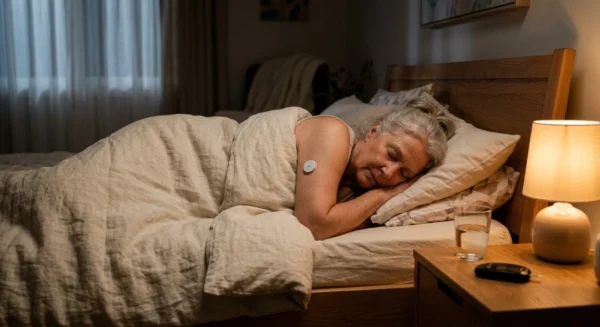
Check glucose before and after activity. During prolonged exercise, monitor it as often as your care team recommends. Carry a glucose meter or use your continuous glucose monitor.
Keep in mind that a CGM measures glucose in interstitial fluid. Its reading may lag behind blood glucose by several minutes. Use a fingerstick when your symptoms do not match the CGM reading.
Always carry fast-acting carbohydrate, such as glucose tablets or glucose gel. If your glucose falls below 70 mg/dL, follow the 15-15 rule. Take 15 grams of fast-acting carbohydrate, wait 15 minutes, and check again.
Repeat the treatment if your glucose remains low. Do not restart exercise until you have treated the low and can continue safely.
Confusion, seizure, or unconsciousness from severe hypoglycemia requires emergency help. Someone should call 911 and administer glucagon if trained to use it. Ask your diabetes care team whether family members or exercise partners should learn to recognize hypoglycemia and give glucagon.
Direct questions about changing insulin or other medication around exercise to your care team. Do not adjust treatment on your own.
When High Glucose Changes Your Exercise Plan
A high glucose reading does not always make exercise unsafe. However, the cause of the high reading matters. Moderate movement may lower glucose if you feel well and have no ketones.
Intense exercise may push glucose higher because adrenaline tells your liver to release more glucose. People with type 1 diabetes should follow their care team’s instructions for checking ketones. Anyone else who has received instructions to monitor ketones should follow them as well.
Do not exercise when ketones are elevated or when you feel ill. Activity can worsen the metabolic imbalance. Diabetic ketoacidosis, also called DKA, requires emergency treatment.
Warning signs include nausea, vomiting, abdominal pain, fruity-smelling breath, rapid breathing, confusion, and high ketones. Seek emergency care if these symptoms occur.
DKA occurs most often in type 1 diabetes, but it can also affect people with type 2 diabetes. People who take SGLT2 inhibitors can develop DKA at near-normal glucose levels. Therefore, consider symptoms and ketone results even when glucose does not appear extremely high.
Contact your doctor or pharmacist with medication concerns. Never stop insulin because you are not eating or because your glucose is high.
Troubleshooting Exercise and Glucose Patterns
Glucose Rises After a Hard Workout
Likely cause: Vigorous intervals, heavy lifting, competition, or exercise-related anxiety can raise adrenaline. These hormones signal your liver to release stored glucose. Your reading may increase temporarily even when the workout provides long-term benefits.
What to try: Cool down with gentle walking, drink water, and recheck according to your monitoring plan. Compare similar workouts over several days instead of reacting to one result.
Contact your diabetes care team if the rises are large, prolonged, or accompanied by ketones or illness symptoms. Do not take extra insulin or change medication unless your care team has provided a specific plan.
Glucose Drops During a Walk
Likely cause: Steady aerobic activity can increase glucose use quickly. The risk rises when active insulin or a sulfonylurea is lowering your glucose. Longer activity, delayed food, or a lower starting glucose can increase the risk further.
What to try: Stop, check your glucose, and use the 15-15 rule if the reading is below 70 mg/dL. Take 15 grams of fast-acting carbohydrate, wait 15 minutes, and check again. Repeat if your glucose remains low.
Carry fast-acting carbohydrate every time you exercise. Record your activity, food, glucose readings, and medication timing. Review repeated lows with your care team before making any treatment changes.
Glucose Falls Several Hours Later
Likely cause: Exercise can improve insulin sensitivity after your session. Your muscles also continue restoring their stored fuel. These effects may contribute to an overnight low after an afternoon or evening workout.
The risk is higher for people who use insulin or sulfonylureas.
What to try: Check glucose after exercise and at the times your care team recommends. If you use a CGM, pay attention to the trend arrows. Keep fast-acting carbohydrate nearby and use a fingerstick when symptoms and sensor readings do not agree.
Tell your care team about repeated delayed lows. They can review the timing of your activity, food, and medication.
Regular Exercise Does Not Change Your Readings
Likely cause: Your activity may be too brief or infrequent to create a clear pattern. Illness, stress, sleep, meal composition, dehydration, and medication timing may also affect glucose. Fitness and strength can improve even when you see no immediate glucose change.
What to try: Track the exercise type, duration, and glucose before activity. Check again about one to two hours afterward, or follow the timing your care team recommends. Review several similar days instead of isolated readings.
Ask your care team to examine your log if glucose remains above your target. Do not respond with excessive exercise or unplanned medication changes.
Building a Routine You Can Maintain
Begin with a schedule that feels manageable. You might take a short walk after one meal most days and add two simple strength sessions each week. Break up long sitting periods with light movement.
Increase the duration or intensity gradually as your comfort and stamina improve. Choose activities that fit your joints, balance, budget, environment, and schedule.
You may only need comfortable shoes, a resistance band, a sturdy chair, or a safe walking route. Swimming and water exercise can reduce stress on sore joints. Seated exercises can help people with limited mobility stay active.
Keep a simple record of each activity, its duration, and your glucose before and after it. Note any symptoms and relevant meal timing. Bring this information to appointments so your care team can identify patterns.
Your care team will set glucose targets based on your health and treatment plan. For many nonpregnant adults, the ADA lists general targets of 80 to 130 mg/dL before meals. It lists a target below 180 mg/dL one to two hours after the start of a meal.
For many CGM users, a common goal is to spend more than 70 percent of the day between 70 and 180 mg/dL. Your personal target may differ.
A Safe, Balanced Routine Supports Glucose Management
Exercise for blood sugar control does not need to be strenuous, complicated, or completed all at once. Aerobic movement, resistance training, and regular breaks from sitting each help your body use glucose. Combining them usually provides the broadest benefit.
A walk after a meal offers a practical starting point. Strength work helps preserve the muscle that supports glucose use over time.
Choose a routine you can perform safely and repeat. Expect your glucose response to vary with exercise intensity, meals, stress, sleep, and medication. Use several readings to identify patterns instead of relying on one result.
If you take insulin or sulfonylureas, prepare for low blood sugar by monitoring glucose and carrying fast-acting carbohydrate. Work with your diabetes care team to match physical activity to your health, glucose targets, and treatment plan. Do not change medication on your own.