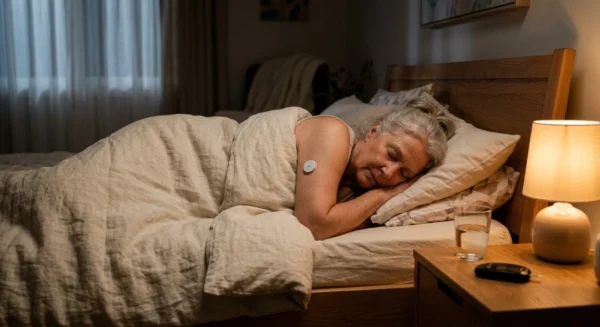

Stress and blood sugar are closely connected. Mental or physical stress can raise glucose because stress hormones make more fuel available to the body. The effect often passes quickly. However, ongoing stress can disrupt sleep, appetite, activity, and daily diabetes care.
This response does not reflect personal failure or poor coping. It comes from the body’s built-in survival system. One person may notice a sharp rise during an argument, illness, deadline, or painful event. Another may see glucose climb gradually over several difficult days.
Stress can also contribute indirectly to low blood sugar. It may change how much someone eats, exercises, drinks alcohol, or uses insulin or another glucose-lowering medicine. Recognizing your pattern can help you respond calmly instead of reacting to one reading.
How Stress and Blood Sugar Affect Each Other
When the brain senses a threat, the body releases hormones such as adrenaline and cortisol. These hormones tell the liver to release stored glucose into the bloodstream. That glucose gives the brain and muscles quick energy.
Cortisol can also reduce insulin sensitivity for a short time, so glucose may remain in the bloodstream longer. This response helps during a true emergency. Yet emotional strain, work pressure, financial worries, pain, conflict, and poor sleep can trigger the same process.
In people without diabetes, the pancreas can usually release enough insulin to manage the extra glucose. With type 2 diabetes, insulin resistance or reduced insulin production may make the rise larger or longer. Stress hormones may also add to existing insulin resistance in people with prediabetes.
People with type 1 diabetes cannot produce their own insulin. They need to manage stress-related glucose changes within the plan they created with their diabetes care team. Still, stress does not explain every unexpected high. Repeated increases call for a closer look at food, activity, illness, sleep, hydration, and treatment timing.
Short-Term Stress Versus Ongoing Stress
Short-term stress may cause a sudden glucose rise that settles after the event passes. Common triggers include public speaking, a difficult conversation, a medical procedure, intense pain, or a frightening event. Even excitement before a major celebration can affect glucose.
Physical stress from an infection, injury, fever, or surgery may have a stronger and longer effect. The body actively responds to illness or tissue damage during these events. As a result, glucose may stay high even when someone eats less than usual.
Ongoing stress often affects glucose in less obvious ways. It can disturb sleep, increase cravings for refined carbohydrates, and reduce motivation to move. It may also make glucose checks, regular meals, and medication routines harder to maintain.
Some people eat more under pressure, while others lose their appetite or delay meals. Long periods of high cortisol may also worsen insulin resistance in type 2 diabetes or prediabetes. Therefore, both stress hormones and changes in daily habits can influence glucose.
How to Tell if Stress Is Affecting Your Glucose
One high reading cannot show that stress caused the change. Instead, look for patterns across similar situations. For example, you may notice higher readings on workdays, after poor sleep, before appointments, or during family conflict.
If you use a fingerstick meter, check at consistent times to make comparisons easier. A continuous glucose monitor measures glucose in interstitial fluid rather than directly in blood. Therefore, CGM readings may lag behind blood glucose by several minutes.
Keep a simple log of glucose readings, meals, activity, sleep, illness, pain, and medication timing. Add a brief stress rating, such as low, moderate, or high. Note when the stressful event occurred because glucose may rise during the event or later.
Bring the log or CGM report to appointments. Your care team can then review repeatable trends instead of isolated numbers. Use a fingerstick to confirm a CGM result when your symptoms do not match the reading.
Do not assume every high comes from stress. Seek guidance if readings remain high, ketones appear, or you feel ill.
Practical Ways to Reduce the Stress Load
You do not need to eliminate stress to reduce its effect on glucose. A more practical goal is to help your body settle and make diabetes tasks easier. Start with slow breathing for a few minutes. Breathe in comfortably, then make each exhale slightly longer than the inhale.
- Pause briefly before responding to a stressful message or situation.
- Write down the next one or two diabetes tasks instead of planning the entire day.
- Set reminders for glucose checks, meals, prescription refills, or appointments.
- Talk with a trusted friend, relative, counselor, or diabetes educator.
- Limit news or social media if it keeps you in a constant state of alert.
Other options include progressive muscle relaxation, quiet music, time outdoors, prayer, meditation, journaling, and gentle stretching. Choose a method you can use regularly without turning it into another demanding task.
Counseling may help when stress persists or relates to trauma, anxiety, or depression. Tell your care team if diabetes care leaves you frustrated, worried, or exhausted. Health professionals often call this experience diabetes distress, and it deserves support.
Support Glucose Management With Sleep, Meals, and Movement
Regular routines can reduce some indirect effects of stress. Keep your sleep and wake times reasonably consistent when possible. Short or disrupted sleep can raise stress hormones and make insulin less effective.
Predictable meal times may prevent intense hunger and rushed food choices. A balanced plate can include non-starchy vegetables, protein, and a portion of carbohydrate. Water can serve as the usual drink unless your care plan says otherwise.
Physical activity helps muscles use glucose. It may also ease muscle tension and improve sleep. On a difficult day, try a comfortable walk, light household activity, or a few minutes of stretching instead of a demanding workout.
The American Diabetes Association recommends at least 150 minutes of moderate-intensity activity each week for most adults with diabetes. It also recommends resistance exercise two or three times weekly. Your health, mobility, and fitness level should shape the plan.
Ask your health care team which activities suit you if you have heart disease, nerve damage, eye disease, or foot problems. The same advice applies if another medical condition affects your ability to exercise safely.
Insulin and sulfonylureas can increase the risk of exercise-related low blood sugar. Your care team may advise glucose checks before, during, or after activity. Carry a source of fast-acting carbohydrate and discuss exercise timing before changing any medicine.
If glucose falls below 70 mg/dL, follow the 15-15 rule. Take 15 grams of fast-acting carbohydrate, wait 15 minutes, and check again. Repeat these steps if glucose remains below 70 mg/dL.
Severe hypoglycemia can cause confusion, seizures, or unconsciousness. Call 911 and have a trained person give glucagon if it is available.
What Stress Means for Insulin and Other Diabetes Medicines
A stress-related high does not automatically mean your insulin dose or other medicine is inadequate. Cortisol and adrenaline can make a usual dose appear less effective. Food, dehydration, illness, missed doses, injection technique, and treatment timing can create similar patterns.
Do not take extra insulin or change another medicine unless your written care plan instructs you to do so. Ask your doctor, pharmacist, or diabetes educator how to manage repeated changes safely.
People who use insulin need to watch for both highs and lows. Stress may change appetite, meal timing, sleep, and activity. Sulfonylureas can also cause low glucose when someone delays a meal, eats less than expected, or becomes more active.
Fear of hypoglycemia may lead someone to eat more carbohydrate than needed. That response can cause a high later. Treat lows with the 15-15 rule, then discuss repeated episodes with your care team.
Alcohol adds another risk. It can cause delayed hypoglycemia hours later or overnight, especially with insulin or sulfonylureas. Because intoxication and low glucose can look similar, avoid drinking on an empty stomach and wear medical identification.
Discuss alcohol and medicine-related risks with your doctor or pharmacist. Do not stop all insulin because stress has reduced your appetite or you cannot eat. Contact your diabetes care team and follow your established sick-day or meal-adjustment plan.
Troubleshooting Common Glucose Patterns During Stress
Glucose rises before a meeting, appointment, or difficult conversation. A short burst of adrenaline and cortisol may cause this pattern. Try slow breathing or a brief walk if you can exercise safely. Then check again at your usual time instead of every few minutes.
Glucose stays high throughout a stressful week. Ongoing pressure may combine with poor sleep, pain, irregular meals, less activity, or missed diabetes tasks. Return to a few basic routines and record the pattern. Contact your care team if readings remain above your individualized range.
Glucose drops on a stressful day. Stress usually raises glucose directly. A low may instead involve a delayed meal, reduced food intake, unplanned activity, alcohol, insulin, or a sulfonylurea. Treat glucose below 70 mg/dL with the 15-15 rule and report recurring lows.
The CGM shows a rapid change, but you feel normal. The display may show a real trend, normal sensor lag, pressure on the sensor, or a device problem. Check with a fingerstick if your symptoms do not match. Contact the manufacturer or your care team if questionable readings continue.
Glucose stays high during illness despite your written plan. Infection and other physical stressors can raise glucose and increase the risk of dehydration and ketones. Follow your sick-day plan, drink fluids, and check glucose more often.
Check ketones if you have type 1 diabetes or your care team has instructed you to do so. Do not stop all insulin because you cannot eat. Call your care team if your plan does not bring glucose down.
When High Glucose May Be More Than Stress
Do not dismiss persistent high readings as an emotional reaction, especially when illness symptoms appear. Contact your health care team if glucose repeatedly falls outside your target range. Also call if stress makes diabetes care unmanageable or you experience frequent highs or lows.
Get medical guidance if you are vomiting, cannot keep fluids down, have ketones, or cannot follow your sick-day plan. People with type 1 diabetes need particular caution. Too little insulin can lead to diabetic ketoacidosis, also called DKA.
DKA is a medical emergency. Warning signs include nausea, vomiting, abdominal pain, fruity-smelling breath, rapid breathing, confusion, and high ketones. Seek emergency care if these symptoms occur or your sick-day plan directs you to go.
Some people who take SGLT2 inhibitors can develop DKA with near-normal glucose levels. Clinicians may prescribe these medicines for type 2 diabetes, heart failure, or chronic kidney disease. Ask your doctor or pharmacist about your personal risk and the symptoms that require urgent care.
Do not stop or change an SGLT2 inhibitor without medical guidance. Call 911 for severe hypoglycemia that causes confusion, seizures, or unconsciousness. A trained person should give glucagon if it is available.
New chest pain, severe shortness of breath, fainting, one-sided weakness, or sudden trouble speaking also requires emergency attention. Do not attribute these symptoms to stress.
Build a Plan for the Next Stressful Day
Stress is unavoidable, but a simple plan can make glucose changes easier to manage. Decide how you will check glucose, which fast-acting carbohydrate you will carry, and whom you will contact. Choose one calming strategy that feels practical.
Keep diabetes supplies accessible during travel, busy work periods, caregiving, or family emergencies. If your medicine can cause hypoglycemia, ask for specific instructions about disrupted meals, activity, and illness. Do not adjust treatment on your own.
Look for trends across days and weeks instead of judging yourself by one reading. A high number provides information, not a grade. Hormones may temporarily make glucose harder to manage.
Tell your health care team if glucose worries consume much of your day or lead to repeated checking. Ask for help if those worries make you avoid normal activities. A certified diabetes care and education specialist or mental health professional can help you build workable routines.
The goal is not perfect calm or perfect glucose. Learn how stress and blood sugar interact, respond safely, and seek support when the pattern becomes difficult to manage.