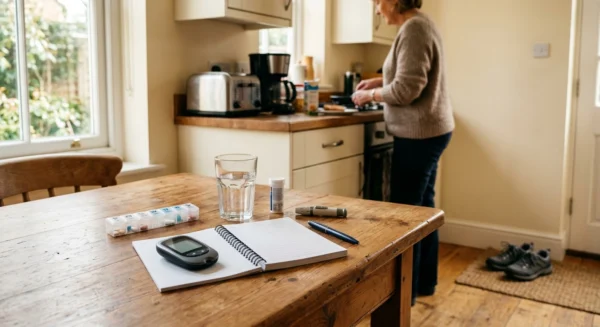

Sleep and diabetes are more connected than most people realize. For individuals living with diabetes, managing blood sugar goes beyond diet and medication—your sleep habits play a crucial role, too. Inadequate or disrupted sleep can directly impact blood glucose levels, insulin resistance, and overall diabetes control. Understanding how sleep and diabetes influence each other can help you make smarter choices for better health.
How Sleep Affects Blood Sugar Levels
Sleep is central to blood sugar regulation. While you sleep, your body restores hormones, repairs cells, and maintains essential functions—including glucose metabolism. When sleep is disrupted or insufficient, cortisol (the stress hormone) rises, triggering insulin resistance. This effect makes it harder for your body to lower blood sugar efficiently.
Research shows that even one night of partial sleep deprivation can impair insulin sensitivity. This results in higher blood sugar—even if your diet and activity levels stay the same. Deep sleep stages are when the body calibrates best: blood pressure lowers, stress hormones fall, and glucose is used more efficiently.
Interrupted sleep—common with sleep apnea, restless leg syndrome, or frequent urination—keeps your body in a state of alert. This delays recovery, disrupts metabolic balance, and may elevate blood sugar overnight. The dawn phenomenon—a natural early-morning blood sugar rise—is often intensified by poor sleep habits.
Why Sleep Deprivation Increases Insulin Resistance
Sleep and diabetes are linked through insulin sensitivity. Poor sleep reduces how effectively insulin helps glucose enter your cells. As a result, glucose stays in the bloodstream longer, leading to higher fasting glucose and A1C numbers over time.
In one Diabetes Care study, adults who slept fewer than six hours had elevated fasting insulin and glucose levels—suggesting greater insulin resistance. Notably, this effect isn’t limited to people with diabetes; people with prediabetes may also experience it.
Sleep deprivation additionally alters hunger hormones. Ghrelin increases appetite, especially for sugary and high-carb foods. Leptin, which signals fullness, decreases. This hormone imbalance can make it harder to eat healthy, compounding blood sugar challenges.
Imagine someone with Type 2 diabetes waking tired from poor sleep. They’re more likely to reach for sugary cereal or white bread—quick fixes that spike glucose. Combined with a morning cortisol surge, this breakfast leads to even higher blood sugar levels.
Common Sleep Issues for People With Diabetes
Understanding the sleep challenges unique to people with diabetes can help you find the right solutions. Common issues include:
- Nocturia (frequent urination): High blood glucose causes the kidneys to pull extra fluid, leading to nighttime bathroom visits.
- Peripheral neuropathy: Nerve damage can cause pain, tingling, or burning sensations that interrupt sleep.
- Nighttime hypoglycemia: Low blood sugar overnight can cause restlessness, sweating, or rapid heartbeat, waking you unexpectedly.
- Sleep apnea: Common in Type 2 diabetes, it disrupts breathing overnight and reduces oxygen levels, raising blood sugar.
- Restless legs syndrome (RLS): Often linked to diabetes-related nerve issues or iron deficiency, RLS causes uncomfortable leg sensations.
Each of these conditions reduces both sleep quality and quantity. If unmanaged, they can significantly impact your diabetes outcomes.
Effective Strategies to Improve Sleep With Diabetes
Better sleep supports better blood sugar. These diabetes-friendly sleep tips can help you rest more soundly and manage glucose more effectively:
- Track nighttime glucose: Monitor at bedtime, 2–3 a.m., and on waking. Patterns can reveal nocturnal hypoglycemia or the dawn phenomenon. A continuous glucose monitor (CGM) makes this easier.
- Choose a balanced dinner: Include lean protein, fiber, and healthy fats to support overnight glucose control. A small bedtime snack—like a hard-boiled egg or a few almonds—may prevent nighttime lows.
- Skip caffeine and alcohol late in the day: Both disrupt sleep. Alcohol may induce drowsiness but interferes with REM cycles and increases risk for overnight hypoglycemia.
- Keep consistent sleep and wake times: Going to bed and waking at the same time daily helps your circadian rhythm, which in turn benefits metabolic health.
- Optimize your sleep environment: A cool (around 65°F/18°C), quiet, and dark room promotes better rest. Use blackout curtains or white noise if needed.
- Exercise consistently: Moving your body daily improves both insulin sensitivity and sleep quality. Avoid intense workouts right before bed, though, as they can interfere with falling asleep.
- Seek professional support: Suspect sleep apnea or RLS? Talk with your doctor about sleep evaluations. Proper treatment can improve both rest and blood sugar readings.
When to Consult Your Healthcare Provider
If lifestyle changes haven’t improved your sleep—and high morning blood sugar persists—talk to your healthcare provider. Persistent grogginess, unexplained spikes in glucose, or frequent nighttime awakenings may signal an underlying issue.
For instance, regular 3 a.m. wake-ups accompanied by sweating or a racing heart might mean you’re experiencing nighttime lows. Alternatively, if you’re getting enough hours of sleep but still feel exhausted, obstructive sleep apnea may be the cause. Receiving a diagnosis and appropriate treatment (like CPAP therapy) can help stabilize your glucose and deepen your nightly rest.
Medication may also need adjustment. Some drugs trigger nocturnal hypoglycemia more than others. Your provider can recommend options that balance overnight glucose without harming your sleep quality.
Making Sleep Part of Your Diabetes Management Plan
Your sleep environment and schedule are just as important to diabetes care as your meal plan or medication regimen. Sleep and diabetes influence each other in a continuous loop—improving one often improves the other.
By embracing better sleep habits, tracking overnight glucose, and addressing medical issues like apnea or neuropathy, you empower yourself to manage diabetes holistically. Prioritizing sleep not only helps stabilize blood sugar but also boosts your energy, mood, and overall well-being. Make quality rest a non-negotiable part of your diabetes strategy—it’s one of the most powerful tools you have.