
Understanding glycemic index vs glycemic load is essential when managing diabetes or prediabetes. These two tools help assess how different foods affect your blood sugar levels, but they measure different things. By learning how each works, you can make smarter, more effective dietary choices that support your long-term health goals.
What Is the Glycemic Index?
The glycemic index (GI) ranks carbohydrate-containing foods based on how quickly and how much they raise blood glucose levels. It uses a scale from 0 to 100, with pure glucose assigned a value of 100. The higher the GI, the quicker your blood sugar may rise.
GI is categorized into three levels:
- Low GI: 55 or less
- Medium GI: 56–69
- High GI: 70 or more
White bread and watermelon, for instance, have high GIs of around 76–80, meaning they digest quickly and cause rapid blood sugar spikes. In contrast, foods like lentils (GI ~30) and leafy greens typically have a low GI, leading to slower glucose release.
However, the glycemic index does not consider portion size or the actual amount of carbohydrate consumed. This limitation can make it less practical for real-world eating. That’s why understanding glycemic load is equally, if not more, important.
What Is Glycemic Load?
Glycemic load (GL) builds on the glycemic index by including the amount of carbohydrates in a typical serving. This offers a more accurate picture of a food’s actual impact on blood sugar levels.
The formula for glycemic load is:
GL = (GI × grams of carbohydrate per serving) ÷ 100
Like GI, glycemic load falls into three categories:
- Low GL: 10 or less
- Medium GL: 11–19
- High GL: 20 or more
Take watermelon as an example. It has a high GI of about 76, but a single serving contains only around 11 grams of carbs. That results in a low GL of 8, suggesting it may be acceptable in moderation. On the other hand, a large baked potato can have a GI of 85 and about 30 grams of carbs, leading to a high GL of roughly 26—causing a quick and significant rise in blood sugar.
Glycemic Index vs Glycemic Load: What’s the Difference?
The main difference between glycemic index vs glycemic load lies in what each measures:
- Glycemic index ranks how rapidly a food converts into glucose, regardless of serving size.
- Glycemic load considers both the speed at which glucose enters the bloodstream and the portion size, making it more reflective of real-life eating.
Below are some helpful examples to demonstrate the variation between GI and GL:
- Carrots: GI of 71 (high), carbohydrates per serving = ~6g → GL of 4 (low)
- Brown rice: GI of 50 (medium), 45g of carbs per cup → GL of 22 (high)
- Chickpeas: GI of 28 (low), 35g of carbs per cup → GL of 10 (low)
By understanding these two measures together, people with diabetes can better tailor their meals without avoiding nutrient-dense foods unnecessarily. For example, although carrots have a high GI, their low glycemic load shows that they’re unlikely to cause a significant glucose spike in standard portions.
Why Glycemic Load Is Often More Useful for Diabetes Management
For day-to-day diabetes care, glycemic load offers a more practical framework than glycemic index alone. It accounts for how much carbohydrate is actually consumed and how rapidly it will convert to glucose.
Keeping glycemic loads low to moderate can support stable post-meal glucose levels. The American Diabetes Association recommends a postprandial blood glucose target under 180 mg/dL. Choosing foods with a low or moderate GL helps achieve this target.
Consider a typical meal with rice, beans, and tortillas. The initial instinct might be to opt for white rice or flour tortillas. However, replacing some rice with black beans (low GL) and choosing smaller corn tortillas (lower GL than flour) can reduce the total glycemic load—and minimize a post-meal blood sugar spike.
Using tools like a continuous glucose monitor (CGM) or checking your blood sugar 1–2 hours post-meal can help you identify which foods lead to spikes. This personalized feedback is important because individual responses may vary, and preparation methods (such as cooking or ripening) can affect GI and GL values.
How to Use Glycemic Index and Load in Daily Life
People managing diabetes make countless food decisions weekly that impact their glucose control. Here are practical tips for applying glycemic index vs glycemic load in your diet:
- Balance high GI foods with healthy fats or proteins. For example, add hummus to your pita or avocado to toast to slow glucose absorption.
- Choose minimally processed foods. Whole grains, legumes, and fibrous vegetables usually have lower GIs and GLs.
- Watch your portions. Large servings, even of low GI foods, can still yield a high glycemic load.
- Use apps for support. Tools like MySugr or MyFitnessPal can help monitor carbohydrate content and glycemic values, whether you’re planning meals in Atlanta, Boston, or Los Angeles.
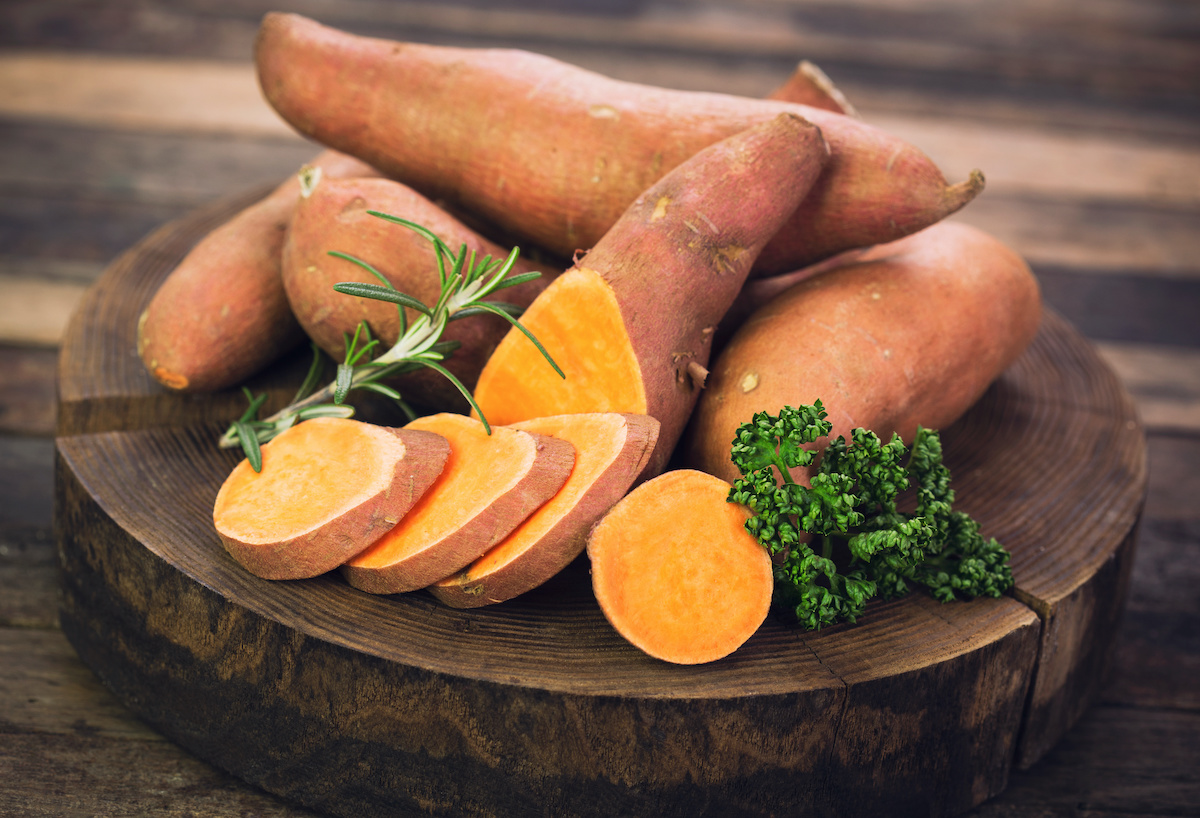
- Incorporate more low GI carbohydrates. Try foods like sweet potatoes, quinoa, apples, or berries for sources of sustained energy.
- Limit high GL foods. These often include white bread, pastries, or oversized bowls of pasta.
Whenever possible, build meals following the ADA plate method: half the plate with non-starchy vegetables, one-quarter with lean protein, and one-quarter with whole grains or starches. This setup naturally helps lower a meal’s glycemic impact.
When to Seek Professional Guidance
While understanding glycemic index vs glycemic load can be empowering, it’s not a substitute for medical guidance. Your certified diabetes care and education specialist (CDCES) or endocrinologist can help you better interpret how GI and GL relate to your treatment plan.
For people with Type 1 diabetes or those using insulin calculations, accounting for both the type and amount of carbohydrates helps with accurate insulin dosing. This minimizes the risk of both high and low blood sugar episodes.
Those newly diagnosed with prediabetes can also benefit. Learning how to incorporate GI and GL into your routine—alongside A1C tracking and physical activity—can delay or prevent the onset of Type 2 diabetes. In multicultural cities like Seattle, Chicago, or Miami, local diabetes educators often tailor advice to reflect regional diets and cooking methods.
Final Thoughts on Glycemic Index vs Glycemic Load
Mastering the balance between glycemic index vs glycemic load empowers you to make more informed meal choices for blood sugar stability. Begin with small changes—such as swapping out one high GL food a day—and observe the benefits through glucose monitoring or how you feel after meals.
Over time, choosing lower glycemic load foods while still enjoying variety and cultural favorites supports both your blood glucose goals and overall well-being. Consistent effort, education, and practical substitutions can go a long way toward managing diabetes effectively—one bite at a time.