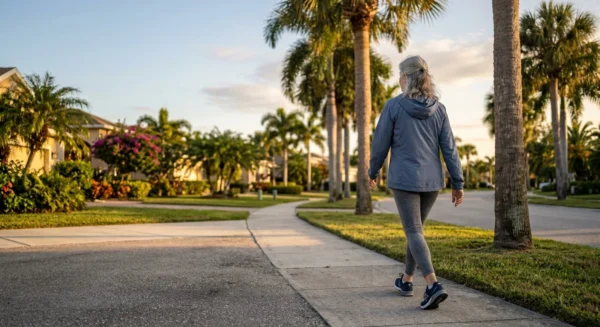

Walking after meals blood sugar management is a key strategy for individuals living with diabetes, whether you have Type 1, Type 2, or prediabetes. Introducing this simple habit into your daily routine can effectively help control blood sugar levels and improve overall health.
The Science Behind Walking After Meals for Blood Sugar Control
Walking after meals enhances blood sugar management through exercise’s physiological impact. After eating, your body converts carbohydrates into glucose, increasing blood sugar levels. Engaging in physical activity, such as walking post-meal, encourages muscles to consume glucose for energy, efficiently lowering blood sugar levels compared to inactivity.
Research supports this practice. Studies indicate that brief walks after meals can significantly reduce postprandial hyperglycemia, which refers to high blood sugar levels following a meal. Clinical findings suggest short bouts of activity post-meal can better improve 24-hour blood sugar control than a single longer exercise session at another time.
Incorporating Walking After Meals into Your Routine
To build a sustainable routine for walking after meals blood sugar management, focus on practicality and consistency. Consider these steps to start:
- Plan Your Meals and Walks: Aim for a 10-15 minute walk after each meal. Adapt this according to your schedule, but maintain consistency.
- Set Realistic Goals: If new to exercise or with physical limits, begin with shorter walks and gradually increase duration as comfort grows.
- Select Accessible Locations: Find safe, convenient paths near home or work. Parks, local streets, or even shopping malls can serve as options.
- Track Your Progress: Use a pedometer or smartphone app to monitor steps and activity levels. This can motivate you and visualize progress over time.
Consistency in walking after meals can significantly enhance blood sugar management as part of your diabetes strategy.
Using Technology for Blood Sugar Management
Technology provides valuable tools for effective blood sugar management. Wearable devices and apps can monitor glucose levels, count steps, and give insights into progress. Consider these technological aids:
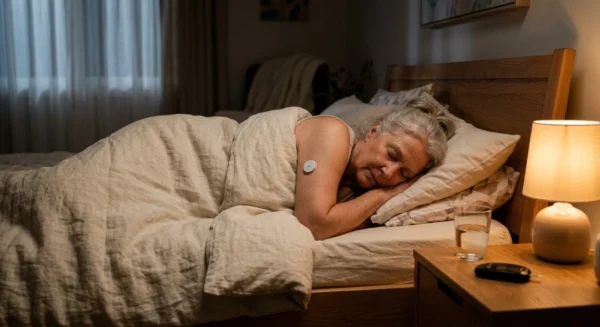
- Continuous Glucose Monitors (CGMs): Real-time glucose tracking shows the impact of post-meal walking on blood sugar.
- Mobile Fitness Apps: Apps like MyFitnessPal or MapMyWalk assist in tracking activity and offer tailored walking routines.
- Smartwatches: Devices such as Apple Watch or Fitbit track steps and integrate with health apps for comprehensive activity and health metrics.
Utilizing these technologies enhances understanding of walking’s effect on blood sugar, leading to informed diabetes management decisions.
Enhancing Benefits with Proper Diet
Combining walking after meals with an optimal diet amplifies its benefits for blood sugar management. Here are effective nutritional tips:
- Balanced Meals: Include proteins, fats, and carbohydrates to prevent blood sugar spikes.
- Carbohydrate Counting: Understanding carbohydrate intake helps predict and control post-meal blood sugar spikes.
- Fiber-Rich Foods: Consuming fiber-rich foods such as whole grains, vegetables, and legumes slows glucose absorption and stabilizes blood sugar levels.
A nutritious diet combined with post-meal walking ensures a comprehensive approach to managing blood sugar levels effectively.
Real-World Impact: Success Stories
Numerous individuals with diabetes achieve success by integrating walking into their routines. Maria, a 55-year-old with Type 2 diabetes, noted tremendous improvement in blood sugar levels and energy by walking after meals with her dog. Similarly, James, managing prediabetes, found short walks post-meal helped maintain better blood sugar levels, preventing progression to diabetes.
These examples highlight the practical benefits of walking after meals. This strategy aids blood sugar management and promotes well-being, social interaction, and an active lifestyle. With dedication and a strategic approach, walking becomes a valuable component of diabetes management.
Incorporating walking after meals presents a cost-effective method to enhance diabetes management. By combining physiological benefits, an optimal diet, and technology, individuals can significantly improve their health and quality of life.