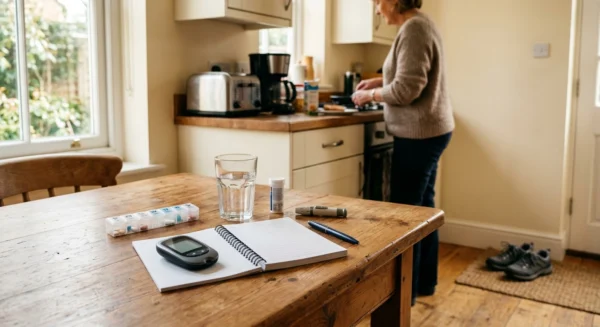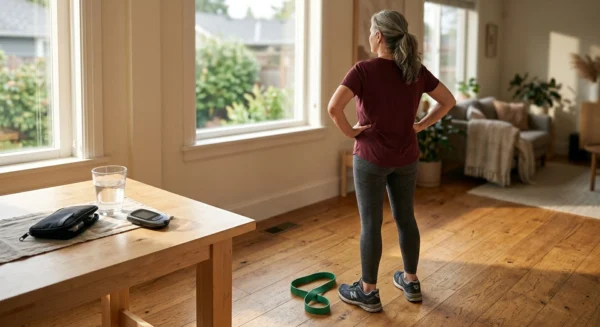

Walking for diabetes is one of the most accessible, effective, and sustainable lifestyle changes you can make to improve your health. Whether you’re managing type 1 diabetes, type 2 diabetes, or prediabetes, regular walking can help regulate blood sugar, improve insulin sensitivity, support weight management, and boost heart health. But how much walking is enough—and how do you start safely? Let’s explore how walking can play a crucial role in diabetes management and how to make it a successful, lasting habit.
Why Walking for Diabetes Is So Effective
Physical activity lowers blood glucose by increasing insulin sensitivity and helping muscles absorb glucose for energy. Walking for diabetes stands out because it’s low-impact, easy to start, and requires no special equipment or membership. For those with type 2 diabetes or prediabetes, consistent walking can lower A1C levels, decrease insulin resistance, and aid weight loss—key factors in long-term blood sugar control.
People with type 1 diabetes also benefit from walking, as it can stabilize blood sugar fluctuations and enhance cardiovascular health. However, monitoring glucose before and after walks is crucial to avoid hypoglycemia, especially when using insulin or blood sugar-lowering medications.
Research consistently supports walking as a tool for diabetes. A study in Diabetes Care found that 30 minutes of daily moderate walking significantly reduced post-meal glucose spikes and fasting insulin levels in individuals with type 2 diabetes. Even short 10–15 minute walks after meals can yield similar benefits in glycemic control.
How Much Walking Improves Blood Sugar Control?
When it comes to walking for diabetes, consistency and timing matter just as much as duration. The American Diabetes Association recommends at least 150 minutes of moderate-intensity aerobic exercise weekly—about 30 minutes a day, five days a week. Not there yet? Starting with three 10-minute walks a day can be just as effective.
Walking after meals can be especially impactful. A study in Diabetologia found that walking for just 10 minutes after each meal was more effective at lowering blood sugar than a single 30-minute walk per day.
Target your walking routine based on your goals:
- Blood sugar control: Walk for 10–15 minutes within 60 minutes after each meal.
- Weight management: Aim for 30–60 minutes of brisk walking most days.
- Cardiovascular support: Include hills, intervals, or longer weekend walks for added heart benefits.
Moderate intensity means walking at a pace that slightly increases your heart rate but still allows you to talk—typically 3 to 4 miles per hour or a 15–20-minute mile.
Tips to Start Walking for Diabetes Safely
Good news: you don’t need an expensive membership or fancy gear to begin. Walking for diabetes is possible right where you are. These practical tips can help you get started:
- Wear proper walking shoes: Choose well-fitted footwear to prevent blisters and reduce the risk of foot injuries—essential if you have neuropathy or foot-related complications.
- Choose routes that suit your lifestyle: Walk in your neighborhood, a nearby park, or even indoors at a store or mall. Variety helps keep walking enjoyable and sustainable.
- Create a consistent routine: Link walking to existing habits, such as walking right after meals or before bed.
- Set simple reminders: Use phone alarms, journals, or fitness trackers to stay accountable and track progress.
- Build walking into daily tasks: Take stairs, walk the dog, or park farther away from stores to sneak in more steps.
If you’re just beginning an active lifestyle, start slowly. Begin with 5–10 minutes a day and gradually increase. Always consult your healthcare provider before starting a new fitness routine, especially if you have diabetes-related complications or other health concerns.
How to Monitor Blood Sugar Around Your Walks
Keeping track of how walking affects your glucose helps you exercise safely and understand your body’s response. This is especially important if you take insulin or medications that lower blood sugar. Here’s how:
- Check pre-walk levels: Ensure your blood sugar is above 90 mg/dL. If it’s low, eat a small, balanced snack before walking.
- Stay alert for hypoglycemia symptoms: Dizziness, sweating, or shakiness may indicate a drop in blood sugar—especially during long walks or after insulin use.
- Monitor after walking: Check glucose 30–60 minutes after activity to observe its impact, adjust your routine, and catch any late lows.
- Use a CGM if available: Continuous glucose monitors give real-time feedback and help optimize timing and intensity of walks.
Maintaining a walking log—including duration, distance, glucose readings, and how you felt—can help guide your progress and support more personalized care with your diabetes health team.
Integrate Walking into a Holistic Diabetes Lifestyle
Walking for diabetes works best alongside a healthy lifestyle. Consider combining it with mindful eating, medication management, sleep hygiene, and stress reduction for optimal results. Here are a few examples:
- Pair a post-meal walk with a high-fiber, moderate-carb dinner to reduce glucose spikes.
- Choose protein-rich snacks like Greek yogurt or almonds before extended walking sessions to avoid lows and stay energized.
- Coordinate insulin timing with walking to help avoid unexpected blood sugar drops.
Talk to your care team—including a registered dietitian or diabetes educator—to create a customized plan. You may need to adjust medications as walking becomes a regular part of your day. Walking groups, step challenges, or even walking apps can keep you motivated and consistent.
Many people aim for 7,000–10,000 steps per day using a pedometer or smartphone tracker. But don’t worry if that feels out of reach—any increase in daily steps can lead to meaningful benefits when walking for diabetes consistently over time.
Build a Better Future with Walking for Diabetes
You don’t have to wait for perfect conditions to get started. Even a quick stroll after breakfast or an evening walk with a friend or pet can create powerful positive change. Over time, walking for diabetes can help you gain better glucose control, reduce complications, enhance mood, and improve overall well-being.
Be patient and persistent. Every step counts toward greater health and confidence in managing diabetes. With a good pair of shoes, a bit of support, and a consistent routine, walking can become one of your most empowering tools for living well with diabetes—starting today.