
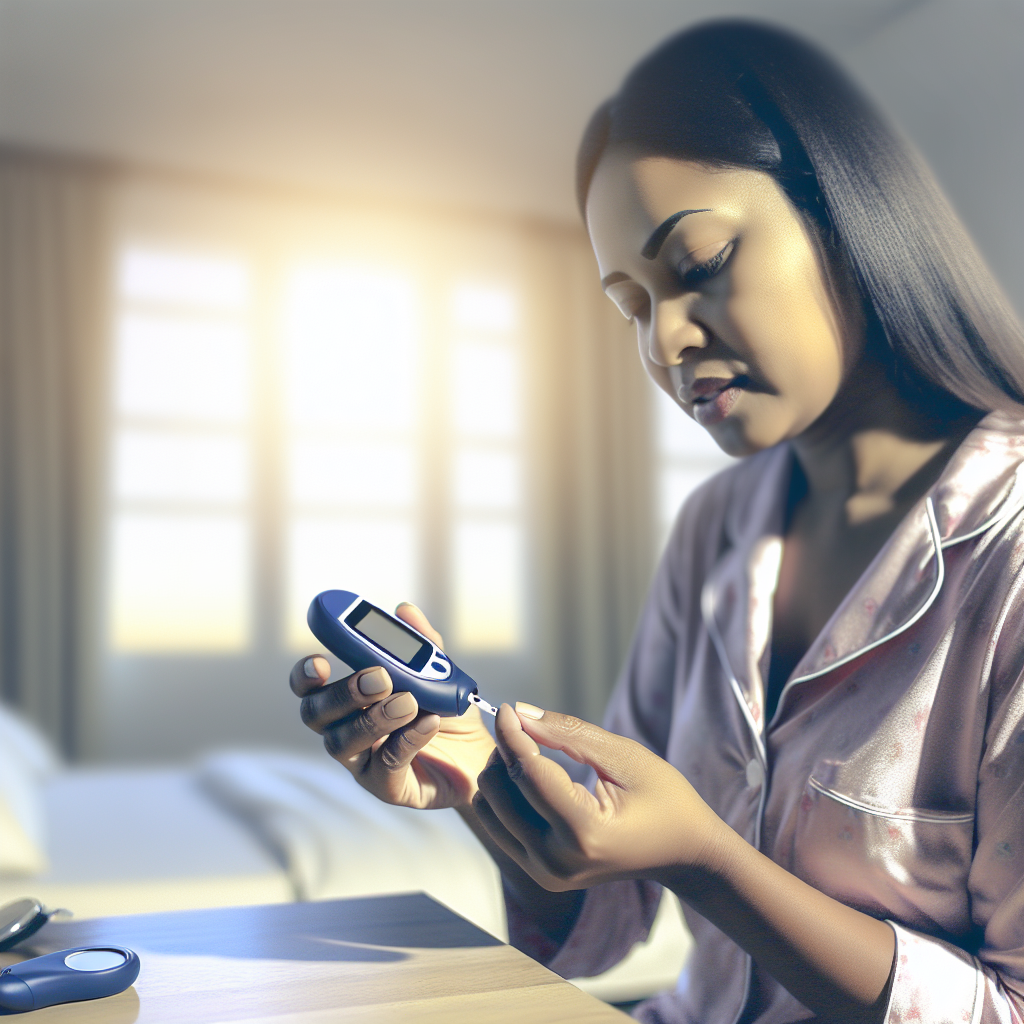
If you’ve ever woken up with unexpectedly high blood sugar despite following your diabetes plan, you may be wondering what’s going on. A common culprit is either the dawn phenomenon vs Somogyi effect—two very different causes of morning hyperglycemia. While both result in high fasting glucose levels, the underlying mechanisms and solutions vary. Understanding the difference between the dawn phenomenon vs Somogyi effect can help you take proactive steps to manage your diabetes and avoid those confusing morning spikes.
What Is the Dawn Phenomenon?
The dawn phenomenon describes a natural early-morning rise in blood glucose, typically between 3:00 and 8:00 a.m., due to hormonal shifts that activate the body’s wake-up processes. During this window, hormones like cortisol, growth hormone, epinephrine, and glucagon trigger the liver to release glucose for energy.
While people without diabetes produce insulin to counterbalance this rise, individuals with type 1, type 2, or even prediabetes may have insufficient insulin or resistance to it—leading to elevated morning blood sugar levels.
Signs of the dawn phenomenon include consistently high fasting glucose despite normal bedtime levels. For example, if your glucose is 110 mg/dL at night and spikes to 160 mg/dL by morning without eating, you may be experiencing this effect.
Managing the Dawn Phenomenon
Addressing this issue requires the right strategies. Your healthcare provider may recommend:
- Adjusting evening insulin or oral medication timing and dosage
- Using an insulin pump with programmable early-morning basal rates
- Including a nutritious bedtime snack to stabilize blood sugar overnight
- Engaging in light exercise after dinner
- Monitoring overnight glucose with a CGM or a 2–3 a.m. fingerstick
What Is the Somogyi Effect?
The Somogyi effect, also known as rebound hyperglycemia, occurs when nighttime hypoglycemia triggers a hormonal counter-response that overcorrects and leads to high glucose levels upon waking. Unlike the dawn phenomenon, this spike results from overnight lows followed by a surge in hormones like cortisol and glucagon.
This drop in glucose can be caused by too much evening insulin, skipping bedtime snacks, drinking alcohol late, or engaging in vigorous nighttime exercise. Once the body recognizes the dangerously low blood sugar, it attempts to fix the situation by dumping glucose into the bloodstream—often overshooting the mark.
Example Scenario
Imagine you go to bed with a glucose level of 130 mg/dL, plummet to 55 mg/dL around 3:00 a.m., and wake up at 180 mg/dL. That spike may not reflect poor diabetes control, but rather your body bouncing back after a low.
Preventing the Somogyi Effect
To prevent overnight lows:
- Work with your provider to lower evening insulin if needed
- Eat a balanced, protein-rich bedtime snack
- Limit alcohol or consume it earlier in the evening
- Adjust your workout schedule if exercising too late
- Enable CGM alerts to detect and manage nighttime lows
Dawn Phenomenon vs Somogyi Effect: What’s the Difference?
At first glance, both result in high morning blood sugar—but each has a different cause and solution. Recognizing the dawn phenomenon vs Somogyi effect is key to improving glucose control and avoiding missteps like adjusting insulin incorrectly.
Comparison Chart: Dawn Phenomenon vs Somogyi Effect
| Factor | Dawn Phenomenon | Somogyi Effect |
|---|---|---|
| Cause | Hormonal rise during early morning hours | Rebound from nighttime hypoglycemia |
| Timeframe | Occurs between 3:00–8:00 a.m. | Triggered by a sugar dip around 1:00–3:00 a.m. |
| Night Glucose Pattern | Smooth or gradually rising | Sharp low followed by a steep climb |
| Morning Fasting Blood Sugar | Elevated | Elevated |
| Management Focus | Modify evening meds, snacks, or activity | Prevent nighttime lows, reduce insulin |
| Detection Method | CGM data or 3:00 a.m. reading shows mild rise | CGM or 3:00 a.m. reading shows hypoglycemia |
Is It the Dawn Phenomenon or the Somogyi Effect?
Determining the true cause of your morning high is crucial. To differentiate between the dawn phenomenon vs Somogyi effect, monitor your glucose at bedtime, around 3:00 a.m., and upon waking—for multiple nights. Consistent logging helps identify whether low glucose precedes the spike (Somogyi) or if it simply rises steadily (dawn phenomenon).
Wearing a continuous glucose monitor offers even greater clarity. CGMs show detailed overnight trends and alert you to dips that might otherwise go unnoticed. If your data shows a 2:30 a.m. low followed by a sharp increase later, the Somogyi effect is likely. A steady upward trend usually points to the dawn phenomenon.
Claire, a diabetes educator in Chicago, shares: “Many assume they’re dealing with the dawn phenomenon when they’re really having overnight lows. CGMs like Dexcom and FreeStyle Libre have empowered patients to spot the drop early and avoid unnecessary insulin increases.”
Tips to Stabilize Morning Blood Sugar
Regardless of whether you’re experiencing the dawn phenomenon vs Somogyi effect, there are proactive steps you can take to avoid high fasting glucose readings:
- Consult your diabetes team regularly: Review fasting trends with your endocrinologist or diabetes educator.
- Use technology: Tools like CGMs and insulin pumps with programmable basal settings target nocturnal changes efficiently.
- Choose the right bedtime snack: Opt for a combination of fiber, protein, and healthy fats—like almond butter on whole grain crackers.
- Set a consistent schedule: A regular sleep-wake cycle supports hormonal consistency and glucose control.
- Be mindful of evening activity: Avoid strenuous workouts or late-night alcohol that may disrupt glucose levels.
Understanding the Dawn Phenomenon vs Somogyi Effect Empowers Better Control
Morning blood sugar spikes can be frustrating, but distinguishing between the dawn phenomenon vs Somogyi effect helps eliminate much of the guesswork. With proper monitoring, the right tools, and a collaborative care approach, you can turn confusing numbers into clear action steps—and start your day with stable glucose and confidence.