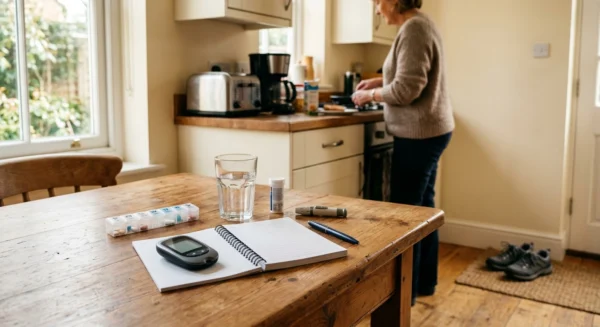

Continuous glucose monitors are transforming how people manage diabetes by providing real-time data on blood sugar trends, empowering users to make timely and informed decisions. Whether you’ve been recently diagnosed with Type 1 diabetes, are managing Type 2, or are proactively addressing prediabetes, using a CGM can significantly enhance your long-term health outcomes. With continuous oversight of glucose levels, these devices simplify daily diabetes management and facilitate better communication with your care team.
What Are Continuous Glucose Monitors and How Do They Work?
Continuous glucose monitors are wearable devices that continuously track glucose levels in the interstitial fluid just beneath the skin’s surface. Unlike traditional fingerstick methods that offer only momentary snapshots, CGMs deliver a steady stream of glucose information—typically every 1 to 5 minutes. This frequent feedback allows users to observe patterns, respond to changes quickly, and prevent potentially dangerous glucose swings.
A continuous glucose monitor typically includes three essential components:
- Sensor: A tiny device inserted under the skin, usually on the arm or abdomen, that measures glucose levels in interstitial fluid.
- Transmitter: This piece connects to the sensor and wirelessly sends glucose data to a compatible app, receiver, or insulin pump.
- Receiver or App: Displays glucose trends and issues alerts for high or low readings. Trend arrows help users anticipate glucose direction.
Most sensors require replacement every 7 to 14 days, depending on the model. While some systems still require calibration using fingersticks, newer models like Abbott’s FreeStyle Libre 3 and the Dexcom G7 are factory-calibrated for convenience and ease of use.
Benefits of Continuous Glucose Monitors
Using a continuous glucose monitor offers several advantages that go beyond traditional testing. These benefits positively impact day-to-day management and long-term glucose control, including:
- Improved glycemic management: By providing real-time insights, CGMs reduce time spent in hypoglycemia and hyperglycemia.
- Reduced need for fingersticks: Many CGM models significantly limit the need for routine finger-prick testing.
- Enhanced trend visibility: Monitoring daily responses to meals, exercise, and stress allows for timely behavioral adjustments.
- Lower HbA1c: CGM users often experience a significant reduction in A1c levels, particularly when using insulin therapy.
- Alert notifications: Systems can warn users about dangerous glucose levels, preventing emergencies, especially at night or during workouts.
Consider, for example, a student athlete with Type 1 diabetes who uses a CGM to monitor blood glucose during sports, adjusting snacks or insulin as needed. Or an adult with Type 2 diabetes who uses trend data to guide food choices at lunch, optimizing post-meal glucose responses.
Who Should Consider Using a Continuous Glucose Monitor?
Continuous glucose monitors benefit a wide range of individuals living with diabetes. While they are strongly recommended for those with Type 1, other populations also see measurable improvements in glucose control and quality of life. People who may benefit most from using CGMs include:
- Individuals with Type 1 diabetes: Primary candidates for CGM use, especially those on multiple injections or insulin pumps.
- Patients with Type 2 diabetes using insulin: CGMs help guide dosing and reduce the risk of lows.
- People with hypoglycemia unawareness: Real-time alerts can provide life-saving warnings before blood glucose reaches dangerous levels.
- Children and teens: Many apps allow parents and caregivers to remotely monitor glucose, which is helpful during school or overnight.
- Pregnant individuals with diabetes: CGM use supports tighter glucose control for fetal and maternal health.
- People with prediabetes: While not FDA-approved for treatment, some use CGMs intermittently for lifestyle insights with healthcare guidance.
Talk to your healthcare provider or certified diabetes educator to determine if a CGM fits your management plan. Consider factors like insurance, tech comfort, glucose variability, and your readiness to engage with health data daily.
Incorporating Continuous Glucose Monitors into Daily Life
Using a CGM effectively requires more than wearing a sensor—it involves interpreting the data and making healthful adjustments. Here’s how to maximize daily benefits from continuous glucose monitors:
- Smarter meal planning: Monitor how various foods impact glucose trends. For instance, if cereal causes a spike, try switching to eggs or adding fiber and fat for stability.
- Timely insulin dosing: Use trend arrows to guide when to pre-bolus insulin. Acting earlier on rising glucose may help avoid post-meal highs.
- Exercise readiness: Real-time data shows how your glucose responds to movement. If a walk consistently lowers levels, consider a small pre-workout snack.
- Stress and sickness awareness: Track how stress, illness, or sleep loss affect your sugar levels to better prepare for fluctuations.
- Overnight monitoring: Continuous tracking can uncover patterns such as dawn phenomenon or overnight lows, allowing for treatment plan adjustments.
Through app sharing features, users can send CGM data to healthcare providers or caregivers. This enhances support during virtual visits, travel, or urgent situations—especially for children, seniors, or those needing extra management assistance.
Limitations and Considerations When Using CGMs
Despite their advantages, continuous glucose monitors come with a few considerations. Understanding these limitations helps users avoid pitfalls and get the most out of their device:
- Data delay: Interstitial glucose lags behind blood glucose by about 5–15 minutes, particularly during rapid changes.
- Cost and insurance concerns: Sensors and transmitters can be expensive. Check your coverage and inquire about available discounts or assistance programs.
- Skin irritation or dislodgement: Some users experience adhesive reactions, especially with extended wear or physical activity.
- Initial learning curve: Interpreting trends and responding effectively takes time. Partnering with a certified diabetes care and education specialist (CDCES) supports early success.
- Occasional technical errors: Sensors can fail or deliver inaccurate readings. Carry a backup glucose meter for confirmation when needed.
These challenges are generally manageable and diminish with experience. With ongoing usage, many users find that CGMs become essential tools in maintaining safety and avoiding glucose-related complications.
How to Begin Using a Continuous Glucose Monitor
If you’re ready to explore continuous glucose monitors, here’s how to get started on your journey toward real-time glucose management:
- Consult your provider: Ask for a CGM prescription if you experience hypoglycemia, use insulin, or have wide glucose fluctuations.
- Review insurance benefits: Medicare, Medicaid, and many private plans now offer CGM coverage. Your care team can assist with documentation and prior authorizations.
- Compare devices: Research options like Dexcom G7, FreeStyle Libre 3, and Medtronic Guardian Connect. Consider wear time, app features, and whether you need pump integration.
- Get trained: Work with a certified diabetes educator to learn sensor insertion, device maintenance, and how to interpret trend data effectively.
- Monitor and adjust: Keep a log of glucose readings, meals, activities, and feelings. Use this information to fine-tune your routine in follow-up visits.
Continuous glucose monitors are more accessible and user-friendly than ever. With the right support, they empower users to take control of their diabetes, enabling healthier outcomes and greater peace of mind.