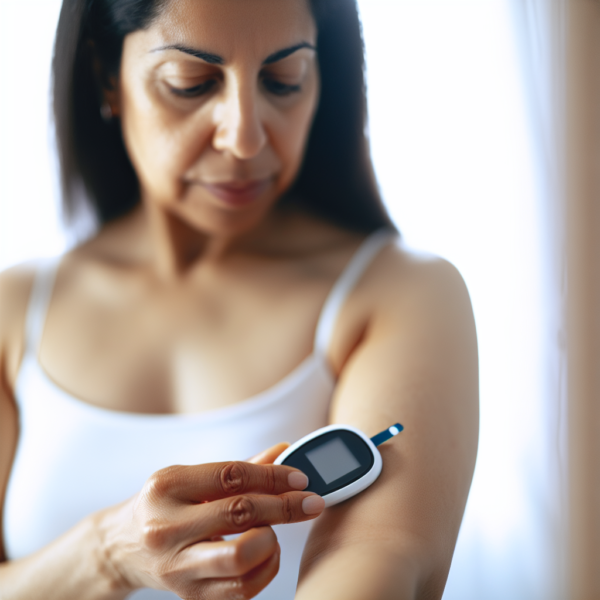

A1C levels explained in clear, everyday terms are essential for understanding and improving your diabetes management. Whether you’re newly diagnosed with type 2 diabetes, living with type 1 diabetes, or managing prediabetes, knowing what your A1C number means empowers you to take better control of your health. In this article, we break down A1C levels, what influences them, and how to take practical steps to maintain or lower your number through nutrition, exercise, monitoring, and lifestyle support.
What Is A1C and Why It Matters
A1C, also called HbA1c or glycated hemoglobin, is a blood test that measures your average blood glucose over the past two to three months. It shows the percentage of hemoglobin proteins coated with sugar (glucose). Unlike your daily meter readings or continuous glucose monitor (CGM) outputs, which capture current blood sugar, A1C gives you a long-term perspective on glucose trends.
According to the American Diabetes Association (ADA):
- Normal: below 5.7%
- Prediabetes: 5.7%–6.4%
- Diabetes: 6.5% or higher
Most adults aim for an A1C below 7%, though this target can vary depending on age, overall health, and other conditions. Getting your A1C levels explained properly helps you understand both risks and opportunities for improvement.
Consistently elevated A1C is linked to complications such as heart disease, kidney damage, nerve issues, and vision problems. Therefore, viewing this number in the context of daily routines and lifestyle choices can directly impact long-term health outcomes.
How the A1C Test Works
The A1C test evaluates the amount of glucose attached to hemoglobin inside your red blood cells. Because these cells live for around 120 days, your A1C result represents an average rather than a momentary snapshot.
However, the A1C test doesn’t measure day-to-day highs and lows. Someone experiencing frequent glucose swings may still have a “normal” A1C that doesn’t reflect their actual challenges. This is why healthcare providers often suggest combining A1C results with daily home testing or CGM data to provide clearer insight.
In specific situations—such as anemia, kidney disease, or due to genetic factors—the test may be inaccurate. Individuals of African, Mediterranean, or Southeast Asian descent may have hemoglobin traits that affect results, making alternative tests like fructosamine more reliable.
A1C Levels Explained Using Estimated Average Glucose (eAG)
Translating your A1C into Estimated Average Glucose can make the number easier to interpret. eAG approximates your A1C in terms comparable with daily meter readings. Here’s a quick guide:
- A1C of 6% ≈ 126 mg/dL
- A1C of 7% ≈ 154 mg/dL
- A1C of 8% ≈ 183 mg/dL
- A1C of 9% ≈ 212 mg/dL
These conversions offer helpful context. For instance, if your A1C is 8.2%, reviewing your CGM trends or meal patterns may highlight post-lunch spikes or nighttime highs that elevate your overall average.
Online tools like the ADA’s A1C-to-eAG calculator and downloadable CGM reports (from Dexcom or FreeStyle Libre) can further demystify this linkage. Many diabetes programs also offer appointments for shared decision-making to interpret this data and adjust your plan.
Proven Strategies to Improve A1C
If your A1C is above your goal, don’t get discouraged. Even modest lifestyle changes can create noticeable progress. The following strategies work together to create a comprehensive A1C-lowering plan:
1. Smart Nutrition
Build meals focusing on whole foods, high-fiber carbs (like lentils, oats, and vegetables), lean proteins, and healthy fats. Use strategies such as the plate method or carb counting to regulate glucose spikes.
Simple tip: Replace white rice with cauliflower rice or quinoa, or try spiralized zucchini in place of pasta. These swaps lower carb content without compromising satisfaction.
2. Regular Exercise
Physical activity helps muscles absorb glucose and improves insulin sensitivity. Aim for 150 minutes of aerobic movement each week and include at least two strength-training sessions. Even walking for 10 minutes after meals can reduce blood sugar levels throughout the day.
A Tampa resident with prediabetes reduced their A1C from 6.2% to 5.8% in four months by walking three times per week and choosing healthier meals.
3. Medication Adherence
Your treatment plan may include medications like metformin, GLP-1 receptor agonists, or SGLT2 inhibitors. Be consistent with dosages, and always consult your provider before making medication changes.
4. Daily Monitoring
Use a blood glucose meter or CGM to identify fluctuations and trends. Many insurance plans now cover CGM devices for people with type 1 or type 2 diabetes using insulin or who have experienced hypoglycemia. These tools help fine-tune your routine.
5. Sleep and Stress Management
Poor sleep and chronic stress can raise your glucose levels. Adopt sleep hygiene habits, practice meditation, or consider therapy-based solutions like CBT. Aim for 7–9 hours of restful sleep to support balanced blood sugar.
Personalizing Your Target A1C
Not every person with diabetes should aim for the same A1C result. A young adult with newly diagnosed type 1 diabetes may aim for tighter control, while an older adult managing multiple conditions may benefit from a safer, slightly higher range to minimize the risk of hypoglycemia.
Factors that influence your specific target include:
- Age and life expectancy
- Length of time with diabetes
- Low blood sugar (hypoglycemia) risk
- Other medical conditions
- Support systems and access to care
Your healthcare provider can help you determine an individualized target that protects both your current quality of life and your long-term health.
How Often Should You Check A1C Levels?
Routine testing helps monitor progress and update your care strategy:
- Test every 6 months if your condition is stable and your therapy remains unchanged
- Test every 3 months if medications were adjusted or you’re not yet at your goal
A1C tests can be done through your doctor, at retail clinics, or even using home kits. Labs like Quest Diagnostics and CVS offer convenient, same-day A1C testing with fast turnaround.
Staying on schedule keeps small setbacks from turning into major issues and gives your care team timely information to guide adjustments.
Building a Routine That Supports Healthy A1C Levels
Getting your A1C levels explained with real-world context allows you to build a lifestyle rooted in awareness, action, and support. With tools like CGM devices, meal planning guides, and specialist advice, you can make informed decisions each day that move you closer to your goals. Whether you’re focused on small daily improvements or managing complex conditions, know that consistent attention to A1C can lead to better results and a healthier future.