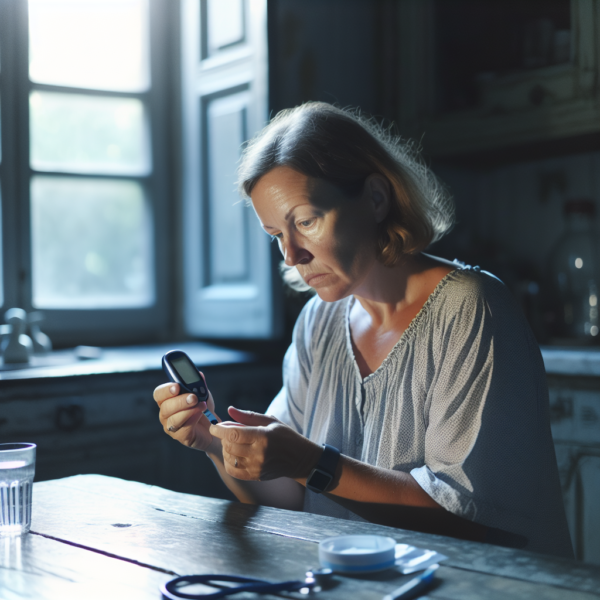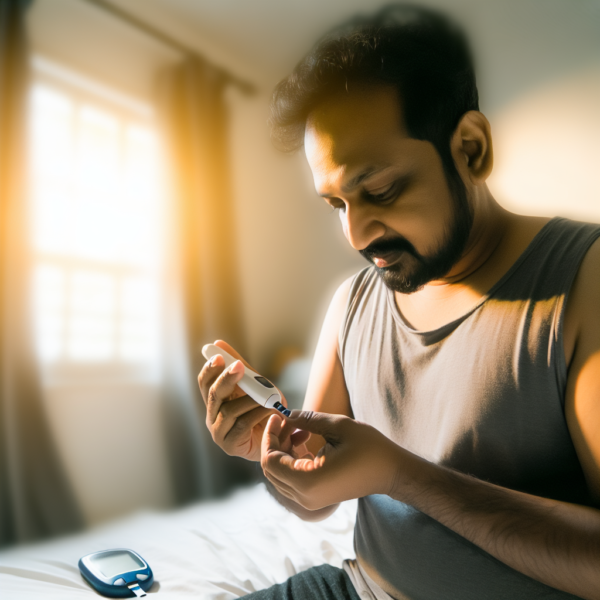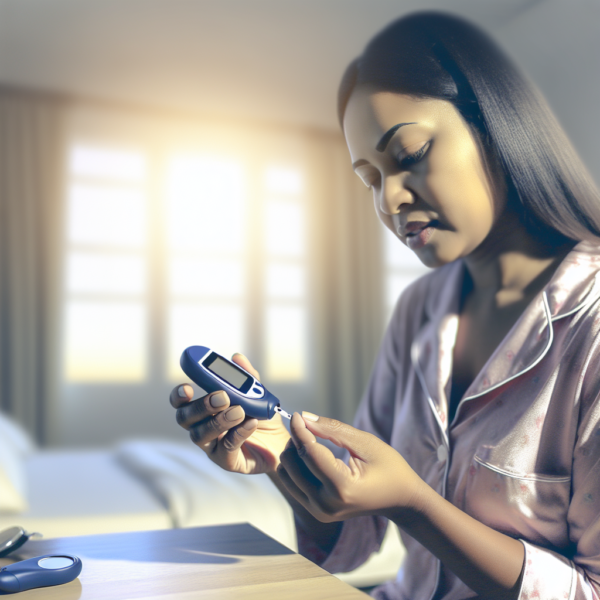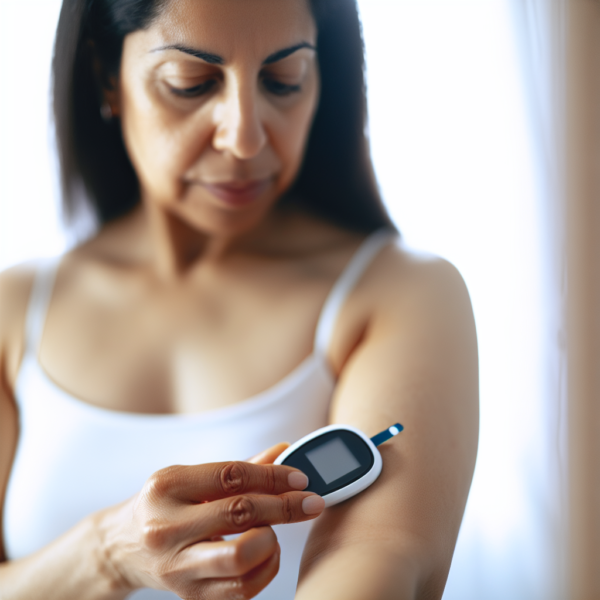

Understanding how often to check blood sugar is essential for effective diabetes management. Whether you have type 1, type 2, or prediabetes—or support someone who does—being mindful of blood sugar monitoring helps prevent complications. Regular testing provides valuable insights, helps identify trends, and informs decisions about food, exercise, and medication.
How Often to Check Blood Sugar Based on Diabetes Type
How often to check blood sugar varies depending on the type of diabetes, your treatment approach, and individual health goals. Here’s a closer look at general recommendations based on diabetes type.
Type 1 Diabetes
People with type 1 diabetes typically check blood sugar 4 to 10 times per day. This frequent monitoring helps balance insulin with meals, physical activity, and stress. Key times to test include:
- Before meals and snacks
- Before and after exercise
- Before bedtime
- Before driving
- When experiencing symptoms of high or low blood sugar
For instance, someone using multiple daily injections might test before each meal, after gym class, and at bedtime—resulting in 5 to 6 daily checks. Continuous glucose monitors (CGMs) such as Dexcom or Libre offer real-time tracking and reduce the need for daily fingersticks.
Type 2 Diabetes
How often to check blood sugar with type 2 diabetes depends on your treatment plan. Those taking insulin often check multiple times daily—much like those with type 1. Individuals managing with diet and oral medications may test less frequently, such as once a day or several times per week.
Short periods of structured testing can be helpful. For example, checking before and after meals for 3 to 7 days may reveal how certain foods and activities affect your levels. This data allows for better decisions with minimal daily burden.
Prediabetes
People with prediabetes usually don’t need daily blood sugar checks unless directed by a healthcare provider. However, periodic fasting blood glucose tests—perhaps a few times monthly—can identify early changes, especially if you have risk factors like obesity or a family history of diabetes.
Monitoring Around Meals and Exercise
You can learn a lot from checking blood sugar before and after meals or workouts. These moments can cause significant changes in your glucose levels, and tracking them leads to smarter choices.
Meal-Related Testing: Test before eating to establish a baseline. Then, check again 1 to 2 hours after the meal to assess how your body handles carbohydrates. A rise of more than 50–70 mg/dL might suggest reviewing your portion sizes or food choices.
Exercise Testing: Physical activity usually lowers glucose, but not always. Aerobic workouts tend to decrease blood sugar, while high-intensity or anaerobic exercises may cause spikes. Monitor before, during (if needed), and after exercise—especially if you’re on insulin—to stay within a safe range.
Technology That Simplifies Blood Sugar Monitoring
Modern tools streamline how often to check blood sugar and deliver more detailed insights. While fingersticks remain common, technology increasingly reduces dependence on traditional methods.
Continuous Glucose Monitors (CGMs): Devices such as Dexcom G7, FreeStyle Libre 3, and Medtronic Guardian track glucose in real time, alerting you to highs and lows. CGMs often sync with your smartphone and reduce the need for routine finger pricks.
Smart Insulin Devices: Insulin pumps and smart pens like the InPen or Tandem t:slim X2 use data and dosing algorithms to improve accuracy. These tools automatically adjust insulin and often require fewer manual checks—unless calibration or error confirmation is needed.
When to Check Blood Sugar More Frequently
Even if your usual routine requires minimal testing, certain life events may demand more frequent checks. Being alert during these times enhances safety and control.
- Sickness: Illness can elevate blood sugar unpredictably. Check every 2–4 hours and test for ketones if you have type 1 diabetes.
- New Medications: Starting or changing insulin, steroids, or other drugs may require close monitoring for adjustments.
- Pregnancy: Tight glucose control is crucial. Most people with gestational or preexisting diabetes check blood sugar 4 to 7 times daily.
- Hypoglycemia Unawareness: Frequent checks prevent dangerous lows. A CGM with alerts may be essential.
- Travel: Time zone shifts, unfamiliar meals, and activity changes may affect glucose. Extra checks keep you informed.
Creating Your Personalized Monitoring Schedule
Determining how often to check blood sugar should be personalized. Work with your healthcare provider or diabetes educator to create a plan that fits your lifestyle and goals.
Your ideal frequency depends on:
- Type of diabetes and how long you’ve had it
- Medication type (especially insulin or sulfonylureas)
- Risk of low blood sugar
- Other medical conditions
- Your comfort level with tracking and trend analysis
For example, someone with type 2 diabetes not on insulin might check fasting sugar each morning and again after a large dinner. This provides helpful Trend data without becoming overwhelming. Regularly reviewing your numbers with a provider helps fine-tune your plan over time.
Smart Strategies for Effective Blood Sugar Monitoring
Glucose monitoring is more than a task—it’s a tool for self-awareness. Use these expert strategies to simplify the process and get more value from each check:
- Stay organized: Keep your meter, test strips, and logbook in one pouch for on-the-go access.
- Warm your hands: Improve circulation before testing to get accurate samples.
- Rotate sites: Use different fingers and sides to avoid soreness.
- Track patterns: Log meals, exercise, and stress alongside readings to spot helpful trends.
- Build habits: Link testing with daily routines—such as brushing teeth or brewing coffee—to stay consistent.
- Ask questions: Bring unusual readings to your doctor or educator rather than guessing the cause.
Remember, the purpose of testing isn’t perfection—it’s progress. Let each number guide your next step, not define your success.
Building a Confident Monitoring Routine
Choosing how often to check blood sugar is a personal, evolving decision. The right monitoring routine fits your health goals, day-to-day lifestyle, and comfort with numbers. Whether you check once a week or ten times a day, consistency and purpose are key.
Use available technology, expert guidance, and mindful habits to transform testing into a powerful tool. As your life, treatment, or health status changes, revisit your plan with your care team to ensure your approach stays effective.
With the right strategy, blood sugar checks aren’t a chore—they’re a source of clarity and control that supports your well-being, one data point at a time.