
Reverse prediabetes — it’s possible, and it starts now. If you’ve recently been diagnosed with prediabetes, know that this condition is a powerful red flag—but also an opportunity. Your blood sugar is elevated, but not yet high enough to be classified as type 2 diabetes. The encouraging news is that many people can take decisive steps to bring blood sugar back into a healthy range. Early action, consistent habits, and a commitment to long-term health offer the best chance to reverse prediabetes successfully.
What Is Prediabetes?
Prediabetes occurs when blood glucose levels are elevated—typically a fasting glucose between 100–125 mg/dL (5.6–6.9 mmol/L) or an A1C level between 5.7%–6.4%. These readings indicate insulin resistance, where the body struggles to properly regulate blood sugar. Without intervention, prediabetes often leads to type 2 diabetes within five years.
Risk factors include being overweight, physical inactivity, a family history of diabetes, or having conditions such as polycystic ovary syndrome (PCOS). Although symptoms are rare, regular monitoring is essential—especially for those over age 45 or with a history of gestational diabetes. Early detection empowers you to reverse prediabetes before it progresses.
Can You Reverse Prediabetes Naturally?
Yes, studies show that it’s possible to reverse prediabetes without medication by making lasting lifestyle changes. In the Diabetes Prevention Program, participants who lost 5–7% of their body weight and exercised moderately for 150 minutes per week reduced their risk of developing type 2 diabetes by 58%.
Keep in mind, reversing prediabetes doesn’t mean it’s gone for good—it means returning to a non-diabetic range through intentional decisions. Ongoing healthy habits, regular screenings, and tracking progress are key to maintaining long-term success.
Nutrition Tips to Help Reverse Prediabetes
Your food choices directly affect insulin levels and blood glucose management. A nutrient-rich, balanced diet can support your body’s ability to regulate sugar effectively. Try these targeted strategies:
- Eat more fiber: Choose whole grains like quinoa, oats, and legumes. Fiber slows sugar absorption and helps reduce insulin spikes.
- Cut added sugars: Replace sugary beverages with water or herbal tea. Check labels and limit sweet snacks and desserts.
- Watch your portions: Overeating—even healthy food—can elevate blood sugar. Use smaller plates to stay mindful of serving sizes.
- Balance your carbs: Distribute carb intake throughout the day to prevent spikes. Aim for moderation—around 30–45 grams per meal depending on your needs.
- Follow the Plate Method: Fill half your plate with non-starchy vegetables, a quarter with lean protein, and a quarter with complex carbohydrates.
In urban centers like New York, diabetes care teams often recommend Mediterranean-style diets featuring olive oil, nuts, greens, fatty fish, and whole grains. Collaborating with a registered dietitian helps tailor your food plan to reverse prediabetes effectively.
Exercise to Reverse Prediabetes
Physical activity improves your body’s insulin sensitivity and supports weight loss—both essential to reverse prediabetes. The goal isn’t extreme workouts—it’s about consistency.
The American Diabetes Association suggests 150 minutes of moderate aerobic activity per week. This includes brisk walking, cycling, dancing, or gardening. Add resistance training at least twice weekly to build muscle and further enhance glucose processing.
Easy ways to get moving include:
- Take a 30-minute walk after dinner or during lunch breaks
- Try online yoga, Zumba, or beginner strength workouts at home
- Use a standing desk and walk during phone calls to reduce sitting time
Research in Diabetologia showed that just 10-minute walks after meals can significantly lower blood sugar levels. These small, daily steps can add up and make a big difference in reversing prediabetes.
Tools to Track Your Progress
If you’re working to reverse prediabetes, tracking your progress keeps you focused and motivated. Monitoring tools provide valuable feedback and help you adjust your habits as needed.
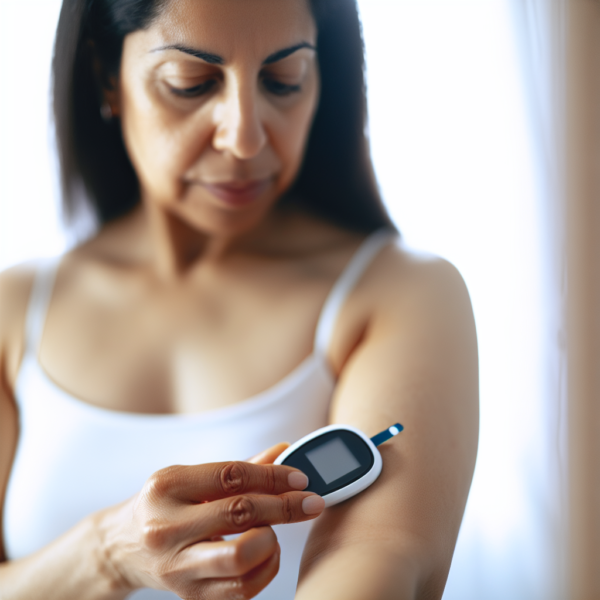
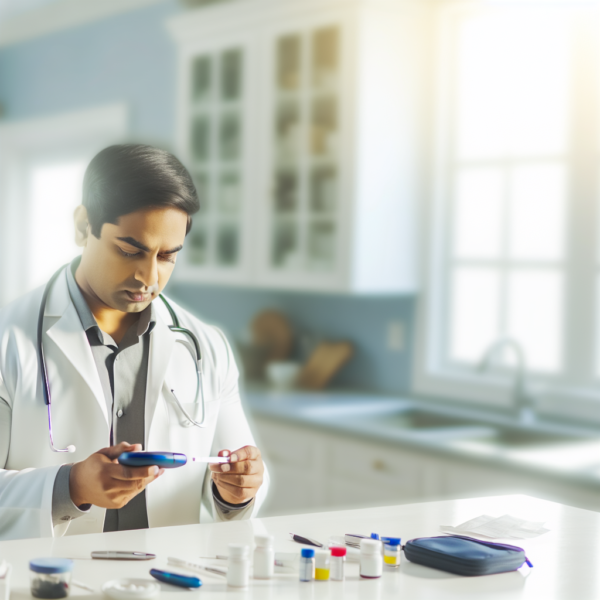
Though daily glucose tests aren’t always necessary, occasional finger-stick tests or using a continuous glucose monitor (CGM) can give insights into how your body reacts to meals and exercise. Devices such as the Freestyle Libre or Dexcom G7 are commonly used and may be covered by insurance.
Work with your care team to establish target outcomes:
- Fasting blood glucose: Less than 100 mg/dL
- A1C: Below 5.7%
- Weight goal: 5–10% reduction from your starting weight
Other helpful tools include food-tracking apps (e.g., MyFitnessPal), digital scales, and smartwatches that track steps and activity levels. These tools can help reinforce your commitment and celebrate progress along the way.
The Role of Sleep and Stress in Reversing Prediabetes
Your body’s ability to manage blood sugar isn’t just about food and fitness—sleep and stress also play a crucial role. Chronic stress increases cortisol levels, which can lead to insulin resistance. Similarly, poor-quality sleep disrupts hormones that regulate appetite and glucose.
Support better stress and sleep patterns with these habits:
- Get 7–9 hours of quality sleep: Wind down at the same time each night and avoid screens before bed.
- Manage daily stress: Practice deep breathing, mindfulness meditation, or keep a gratitude journal.
- Assess sleep issues: If you snore or feel tired during the day, consider testing for sleep apnea. Treatment can greatly improve metabolic health.
Programs like the CDC’s National Diabetes Prevention Program (NDPP) often offer coaching that includes help with sleep and stress management—both essential for anyone working to reverse prediabetes.
Is Medication Necessary to Reverse Prediabetes?
Lifestyle modifications are the gold standard for prediabetes treatment. However, for some individuals, medication may be appropriate. Metformin is the most commonly prescribed option. It improves insulin sensitivity and can help younger individuals with obesity or those with PCOS reduce their diabetes risk.
While a 2022 meta-analysis in Diabetes Therapy found that lifestyle changes outperformed metformin for reversing prediabetes, combining both may be beneficial in high-risk patients. Speak with your doctor about whether medication is right for you based on your unique health profile.
Newer treatments such as GLP-1 receptor agonists (e.g., semaglutide) are showing promise in clinical trials for diabetes prevention, although their availability may be limited due to cost and insurance coverage.
Find Support for Lasting Success
You don’t need to reverse prediabetes alone. Support from others makes lifestyle change easier and helps you stay accountable over time.
- Join a local or online diabetes prevention class, such as those offered by the YMCA or public health departments
- Partner with a certified diabetes care and education specialist (CDCES) for personalized advice
- Invite a friend or family member to meal prep or exercise with you
- Use coaching apps like Omada, Livongo, or Noom to receive guidance and track behavior goals
Surrounding yourself with encouragement can turn daily decisions into a sustainable lifestyle that lasts far beyond reversing prediabetes. Building a community—whether in person or virtual—can fuel your motivation and reinforce your long-term health goals.