
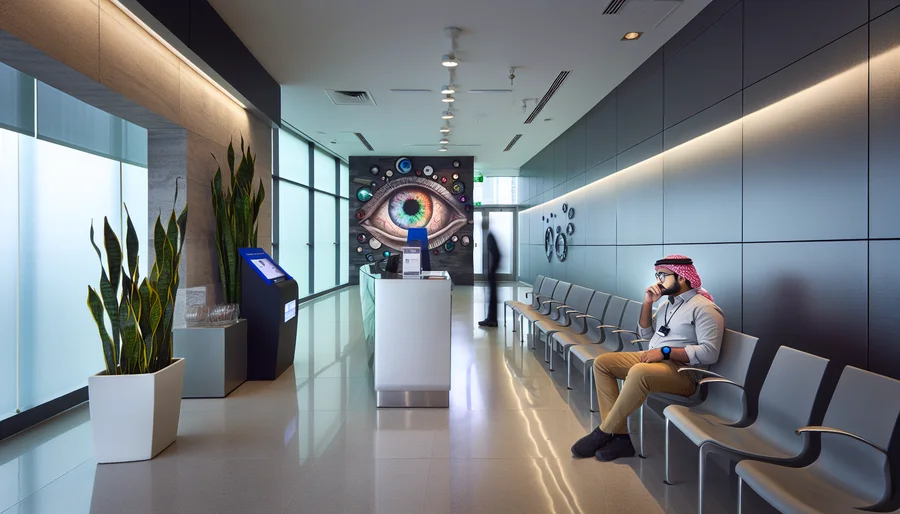
Diabetic retinopathy is a serious complication of diabetes that can severely affect eye health. Understanding this condition is essential to preserving vision for those living with diabetes. This article explores the warning signs, importance of regular eye check-ups, and effective strategies for diabetes management.
Understanding Diabetic Retinopathy
Diabetic retinopathy occurs when prolonged high blood sugar levels damage the blood vessels in the retina, the part of the eye sensitive to light. It has two main stages: non-proliferative diabetic retinopathy (NPDR) and proliferative diabetic retinopathy (PDR). In NPDR, blood vessels leak, impairing vision, while PDR involves the growth of abnormal vessels, leading to significant vision problems.
Early detection is vital as diabetic retinopathy typically shows no initial symptoms. As it progresses, symptoms like blurred vision, floating spots, and difficulty in color perception may occur. Without treatment, it can cause serious vision loss.
Recognizing Early Warning Signs
Identifying the early signs of diabetic retinopathy is crucial for diabetes management. Sudden changes in vision, such as seeing floaters or blank spots, can interfere with daily activities like reading or driving.
Regular comprehensive eye exams are important because they can detect retinal changes before symptoms manifest. Eye doctors use dilated exams to check for blood vessel damage or swelling indicative of diabetic retinopathy.
Early diagnosis and timely treatment can help prevent vision deterioration. The American Diabetes Association advises regular eye exams, starting soon after a Type 2 diabetes diagnosis or within five years for Type 1 diabetes patients.
Managing Blood Sugar Levels Effectively
Maintaining blood sugar levels within a target range is important in preventing diabetic retinopathy. Regular monitoring using a glucometer or continuous glucose monitoring (CGM) systems helps manage glucose levels effectively.
Adhering to a healthy diet, engaging in physical activities, and following prescribed treatment plans—including insulin or medications—help keep an A1C level below the typical target of 7%. Consuming a diet rich in vegetables, lean proteins, and whole grains can aid in managing blood sugar spikes.
Technology such as insulin pumps and tracking apps can empower individuals to make informed health decisions and reduce the risk of retinopathy.
The Role of Nutrition and Meal Planning
Nutrition is integral to diabetes management and preventing complications like diabetic retinopathy. Consuming a balanced diet with nutrient-rich foods supports eye health. Foods high in antioxidants, like leafy greens and omega-3 rich fish, promote retinal health.
Omega-3 fatty acids from sources such as salmon or walnuts help reduce inflammation. Vitamins C, E, and beta-carotene also protect retinal cells.
Establishing regular meal patterns stabilizes blood sugar, preventing spikes that can worsen eye conditions. Consulting a registered dietitian can provide personalized meal plans and focus on diabetes control.
Exercise and Daily Routine Integration
Physical activity significantly aids in managing diabetes and can help prevent diabetic retinopathy. Exercise enhances insulin sensitivity, controls weight, and effectively regulates glucose levels.
Aiming for at least 150 minutes of aerobic exercise weekly, along with strength training, maintains blood pressure. Elevated blood pressure can worsen diabetic retinopathy.
Integrating exercise into daily routines, alongside rest, stress management, and medication adherence, is crucial. Wearable fitness trackers can help monitor physical activity consistently.
Working Professionally with Healthcare Providers
Collaboration with healthcare professionals is key in effectively managing diabetic retinopathy. Routine eye exams with an ophthalmologist and regular consultations with endocrinologists or primary care providers ensure comprehensive diabetes management.
Treatment methods, such as laser therapy or anti-VEGF injections, may be required to control retinopathy. Open communication and tailored care plans help navigate these treatments.
Engaging with certified diabetes educators for lifestyle adjustments and support in achieving diabetes management goals is beneficial. They offer resources, enhance understanding, and provide emotional support.
While diabetic retinopathy poses significant concerns, informed and proactive diabetes management can greatly reduce its impact. Focusing on prevention, monitoring, and a comprehensive health approach allows individuals to sustain their vision and quality of life.