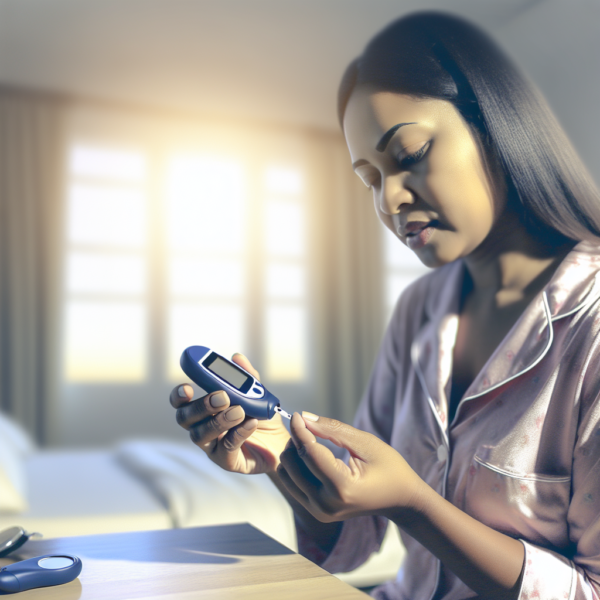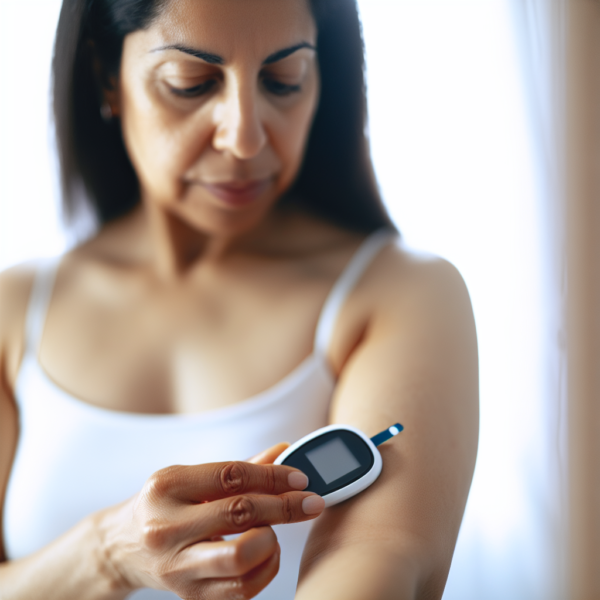
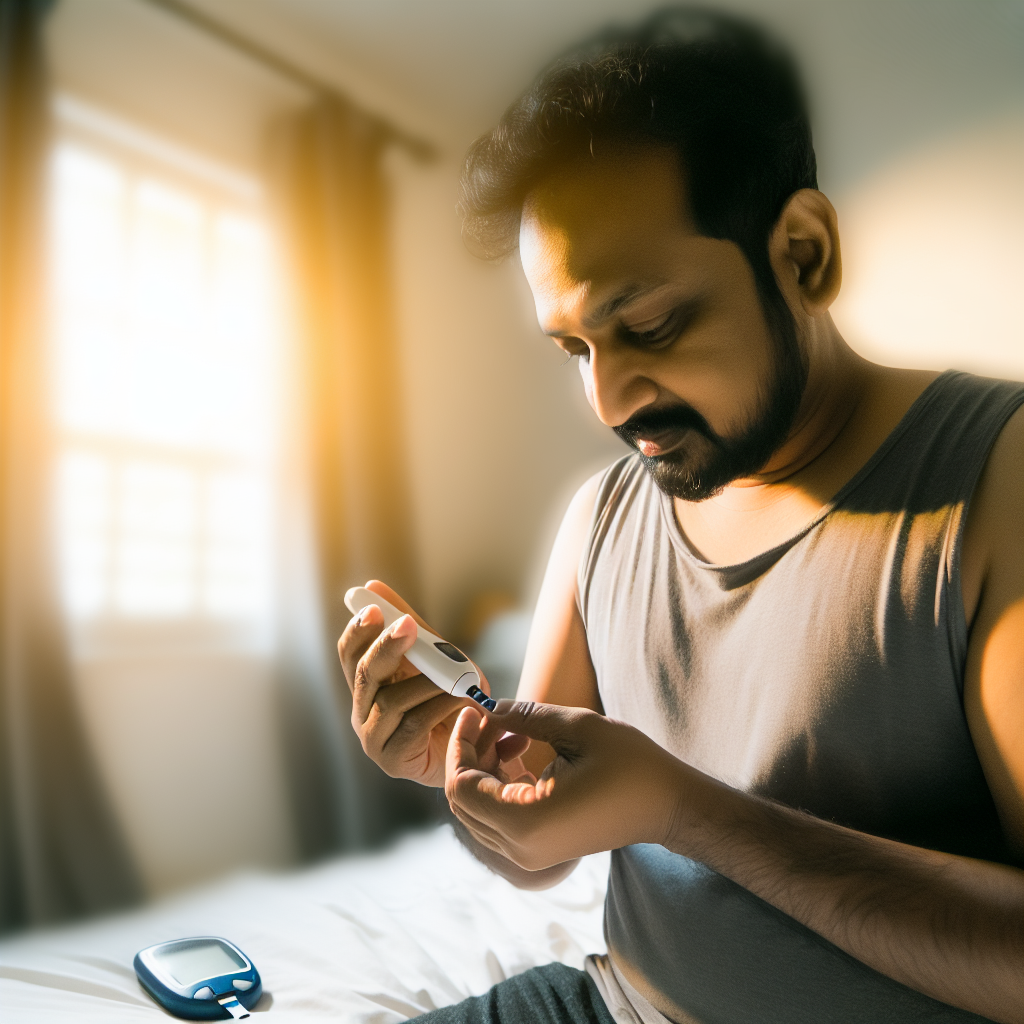
Waking up with high morning blood sugar can be frustrating and confusing — especially if your glucose levels were stable the night before. Whether you have type 1 diabetes, type 2 diabetes, or prediabetes, understanding the causes of elevated fasting glucose is key to effective management. By identifying what’s behind your blood sugar spikes, you can take strategic actions to stay in control. This article explores the most common causes of high morning blood sugar and offers practical, science-backed tips to help you manage it effectively.
Common Causes of High Morning Blood Sugar
Morning hyperglycemia refers to elevated blood glucose levels upon waking. Several physiological and behavioral factors can trigger it, often making targeted correction possible once you understand the root cause. Below are the leading reasons people experience high morning blood sugar.
The Dawn Phenomenon
The dawn phenomenon is a natural rise in blood glucose that occurs in the early hours, typically between 2 a.m. and 8 a.m. This increase happens as your body releases hormones like cortisol and adrenaline to prepare for the day. In people with diabetes, the insulin response may not be strong enough to counteract this surge, leading to high readings upon waking.
Strategies to manage:
- Use a continuous glucose monitor (CGM) to spot patterns more easily.
- Talk with your provider about adjusting basal insulin timing or dosage.
- Monitor glucose trends consistently to determine if an earlier or extended-acting insulin option is needed.
The Somogyi Effect (Rebound Hyperglycemia)
This lesser-known cause of high morning blood sugar happens when blood sugar drops too low during the night, triggering a hormonal rebound that spikes glucose levels by morning. Often caused by too much nighttime insulin, the Somogyi effect can be difficult to detect without overnight monitoring.
Ways to address this:
- Check glucose between 2 a.m. and 3 a.m. for several nights.
- If lows are found, collaborate with your provider to adjust evening dose or medication timing.
- Consider a protein- and fiber-rich snack at bedtime to prevent overnight dips.
Late-Night Eating or Overeating
Eating too close to bedtime—especially heavy or high-carb meals—can lead to prolonged glucose elevation. Fat and carbs digest slowly, and insufficient insulin for late snacks can cause high morning blood sugar.
Tips for improvement:
- Avoid late meals; finish eating 2–3 hours before bed when possible.
- Choose balanced, lower-glycemic snacks if needed at night.
- Work with a dietitian to match insulin coverage to nighttime food intake.
Inadequate or Mistimed Basal Insulin
Basal insulin is essential to maintaining glucose stability overnight. If the dose is too low or wears off too early, blood sugar may rise steadily while you sleep, peaking by morning.
Effective solutions:
- Consider basal rate testing to determine insulin needs overnight.
- Ask your provider about shifting your basal insulin timing or switching formulations.
- Track fasting blood sugars daily and look for patterns in your readings.
Stress and Poor Sleep Quality
Stress and sleep disturbances can interfere with your body’s glucose regulation. Cortisol, which peaks in the early morning, raises blood sugar even further when combined with stress. Conditions like sleep apnea also worsen insulin resistance and may contribute to consistently high morning blood sugar.
Suggestions to address these issues:
- Follow a consistent, relaxing bedtime routine to improve sleep quality.
- Incorporate stress-reducing practices like deep breathing or meditation daily.
- If sleep apnea is suspected, talk to your provider about a sleep study.
How to Monitor and Manage High Morning Blood Sugar
Pinpointing the cause of elevated fasting glucose starts with smart monitoring. Gathering accurate data helps identify trends and guide treatment changes. Here’s how to track glucose more effectively:
- Log your fasting glucose: Record your morning blood sugar daily for two to four weeks.
- Check blood sugar overnight: Test at 2–3 a.m. to determine if nighttime lows are present.
- Use CGM technology: Devices like Dexcom or Libre offer valuable overnight trend data.
- Document meals and snacks: Include carb counts and timing in your food journal.
- Track your activity: Exercise, especially after dinner, can positively impact morning readings.
Evidence-Based Strategies to Prevent Morning Spikes
Simple, consistent changes to your routine can help reduce high morning blood sugar. The strategies below are grounded in science and proven to improve overnight glucose stability:
- Go for an evening walk: Light physical activity after dinner increases insulin sensitivity overnight.
- Prioritize balanced meals: Include proteins, non-starchy vegetables, and healthy fats at dinner.
- Avoid alcohol before bed: While it may initially lower glucose, it can cause rebound highs hours later.
- Adjust medication timing: Ask your doctor whether early-evening insulin or newer therapies could help.
- Stay hydrated: Drink enough water throughout the day to prevent blood sugar concentration.
- Check for medication resistance: Over time, you may need dosage or medication adjustments.
When to Contact Your Healthcare Team
If you experience persistent high morning blood sugar even after implementing these strategies, consult your diabetes care provider. Prolonged fasting hyperglycemia can elevate your A1C, increasing the risk of complications.
Prepare for your visit by gathering the following:
- Fasting glucose records over a few weeks
- Medication type, timing, and dosage
- Overnight blood sugar values or CGM reports
- Details about evening meals and snacks
- Information on sleep quality and patterns
Working with your doctor may result in updated insulin therapy, new medications, or recommendations to explore diabetes technology like closed-loop insulin delivery systems.
Start Your Day With Confidence
Managing high morning blood sugar takes consistent effort, but it’s completely achievable. By recognizing the patterns and potential triggers—whether hormonal, dietary, or behavioral—you gain control over your fasting glucose levels. Start with small, sustainable changes, and don’t hesitate to reach out to your healthcare team for support. With the right strategies and tools, you can turn frustrating morning highs into empowered morning routines.