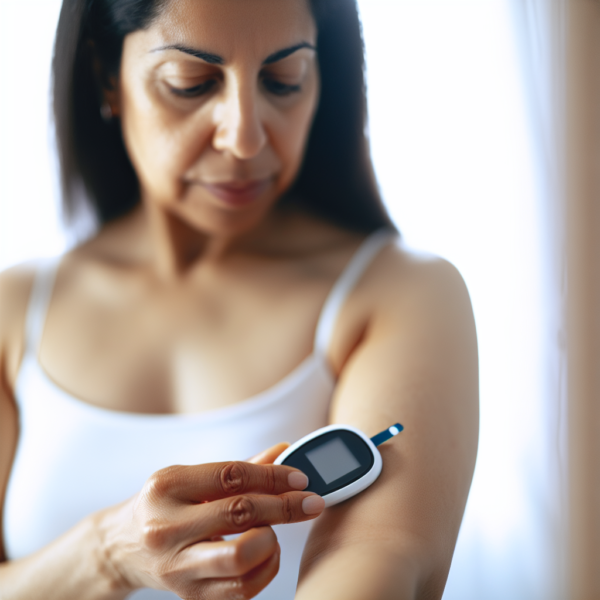

Insulin resistance is a metabolic condition that significantly increases the risk of developing type 2 diabetes, prediabetes, and other chronic health issues. When the body’s cells stop responding effectively to insulin—a key hormone that regulates blood sugar—glucose begins to accumulate in the bloodstream. This excess can strain the pancreas, elevate blood sugar levels, and cause a cascade of health problems. Whether you’re managing diabetes or supporting someone who is, understanding insulin resistance—and how to address it—can empower you to take control of your health and prevent long-term complications.
What Is Insulin Resistance?
Insulin resistance happens when muscle, fat, and liver cells no longer respond well to insulin. Normally, insulin helps unlock cells so they can absorb glucose for energy. In this condition, that signaling breaks down. To compensate, the pancreas produces more insulin. Over time, the elevated insulin and glucose levels increase the risk of prediabetes, type 2 diabetes, and cardiovascular disease.
Because it often develops silently, insulin resistance may go unnoticed for years. Frequently, it’s only detected through tests showing high fasting glucose, insulin, or A1C levels. It also commonly coexists with metabolic syndrome—a cluster of risk factors including abdominal obesity, elevated triglycerides, low HDL cholesterol, and high blood pressure.
Addressing insulin resistance early through lifestyle habits and medical guidance is essential for restoring metabolic balance and avoiding more serious conditions like diabetes or heart disease.
Common Causes of Insulin Resistance
Several factors contribute to insulin resistance, many of which are influenced by daily choices and behaviors. While genetics play a role, modifiable lifestyle factors can greatly affect your risk. Here are the most common contributors:
- Excess abdominal fat: Visceral fat located in the belly area releases inflammatory substances that interfere with insulin action.
- Lack of physical activity: Inactive muscles are less efficient at using glucose, which reduces insulin sensitivity.
- High-sugar and refined-carb diets: Frequent intake of sugary drinks, white bread, and processed snacks spikes insulin demand over time.
- Poor sleep and chronic stress: Both elevate stress hormones like cortisol, which disrupt glucose metabolism.
- Polycystic ovary syndrome (PCOS): PCOS increases insulin resistance, sometimes independent of body weight.
- Certain medications: Steroids, antipsychotics, and other drugs may lower insulin sensitivity.
- Family history: Genetic predisposition increases your risk, particularly if relatives have type 2 diabetes.
Fortunately, not everyone who has insulin resistance develops diabetes. Taking early steps—like dietary changes and increased activity—can reduce risk and improve long-term health outcomes.
Symptoms of Insulin Resistance
Insulin resistance often lacks clear symptoms at first. However, some subtle signs and health patterns can indicate its presence. Recognizing them early allows for prompt action and better management. Watch for the following:
- Post-meal fatigue: Poor glucose uptake by cells can lead to sluggishness after eating.
- Persistent hunger and craving for carbs: Glucose trapped in the bloodstream may leave the body craving more fuel.
- Stubborn weight gain—especially in the abdomen: Belly fat is a strong indicator of insulin resistance.
- Acanthosis nigricans: Dark, velvety patches typically found on the neck or armpits are a common sign.
- Elevated lab markers: High fasting glucose, insulin, or A1C can indicate impaired insulin function.
- High blood pressure and abnormal cholesterol: These are core components of metabolic syndrome.
Routine blood tests—including fasting insulin, glucose tolerance tests, and HOMA-IR—can help confirm a diagnosis. If you have risk factors like obesity or family history, talk to your healthcare provider about early screening.
Evidence-Based Ways to Improve Insulin Resistance
The good news is that insulin resistance is reversible in many cases—especially with key lifestyle changes. Scientific research supports these strategies as effective ways to improve insulin sensitivity and overall metabolic health.
1. Get Regular Physical Activity
Exercise enhances how your muscles absorb and use glucose, reducing the need for excess insulin. Consistency is key for long-term benefits.
- Strive for 150+ minutes of moderate aerobic activity weekly—walking or swimming both qualify.
- Incorporate strength training 2–3 times a week to build lean muscle and increase insulin response.
- Even 10-minute walks after meals can lower blood sugar spikes.
2. Eat an Insulin-Friendly Diet
Diet plays a direct role in managing insulin resistance. Focus on whole, unprocessed foods that help stabilize blood sugar and reduce inflammation:
- Fiber-rich options: Leafy greens, legumes, berries, and whole grains slow carbohydrate absorption.
- Lean protein sources: Poultry, fish, tofu, and eggs promote fullness and steady energy.
- Healthy fats: Incorporate avocado, olive oil, and nuts for improved insulin response and satiety.
- Minimize added sugars and refined carbs: Replace white bread and sweetened drinks with whole foods.
The plate method—a visual strategy with half non-starchy vegetables, one-quarter protein, and one-quarter healthy carbs—can help balance meals. A registered dietitian can customize this approach to your lifestyle.
3. Sustain Healthy Weight Loss
Even losing a small percentage of body weight—just 5% to 10%—can drastically reduce insulin resistance. For example, a 200-pound person may benefit from a 10–20 pound loss. Focus on consistency and patience for sustainable results.
4. Improve Sleep and Lower Stress Levels
Sleep and stress have a major influence on insulin signaling. Aim for 7–9 hours of sleep nightly and prioritize relaxation techniques:
- Mindful breathing and meditation
- Stress-reducing activities like yoga or walking outdoors
- A calming evening routine—turn off screens, dim lights, and unwind
Better sleep equals better hormone regulation, including those that control hunger and blood sugar.
5. Review and Adjust Medications If Needed
Some medicines improve insulin sensitivity, while others may make it worse. If you’re managing insulin resistance or diabetes, your provider may suggest one of the following:
- Metformin: Helps lower blood sugar and improve insulin signaling in cells.
- GLP-1 receptor agonists: Encourage weight loss and improve glucose regulation.
- Thiazolidinediones (TZDs): Target fat and muscle tissue insulin sensitivity—used less commonly today.
Always consult your healthcare team before making changes to medications. Monitoring lab results and symptoms together will guide the most effective treatment plan.
6. Track Blood Sugar Trends
Whether using a traditional glucose meter or continuous glucose monitor (CGM), tracking trends can reveal how food, stress, or exercise affects your body. Benefits of regular monitoring include:
- Understanding your body’s response to different foods
- Detecting hidden spikes or glucose dips
- Providing real-time feedback for behavior changes
Collecting this data alongside symptom tracking helps you and your provider fine-tune your wellness approach for optimal results.
Take Charge of Insulin Resistance Today
Although insulin resistance poses serious health risks, it’s a condition you can largely control—or even reverse—through intentional choices. By staying active, prioritizing whole foods, managing stress, and monitoring your progress, you can improve insulin sensitivity and reduce the risk of diabetes and heart disease. Start small, stay consistent, and collaborate closely with your healthcare team for lasting success.
Looking for sustainable strategies to combat insulin resistance? Take the first step today with manageable movement, balanced nutrition, and informed conversations with your care provider.