
Creating a sustainable prediabetes diet plan is one of the most powerful steps you can take to prevent type 2 diabetes. Prediabetes occurs when blood glucose levels are higher than normal—but not yet high enough to be diagnosed as diabetes. The encouraging news? Nutrition and lifestyle changes can make a measurable difference, improving blood sugar control, enhancing insulin sensitivity, and supporting overall metabolic health.
Though everyone’s body is different, a thoughtful prediabetes diet plan focuses on whole, nutrient-rich foods, proper portion sizes, and meal consistency. In this guide, you’ll learn what to eat, what to limit, and how to build habits that protect your long-term health. These evidence-based strategies can help you take charge of your wellness journey with clarity and confidence.
What Is a Prediabetes Diet Plan?
A prediabetes diet plan is a structured eating approach designed to manage blood glucose levels and reduce the risk of developing type 2 diabetes. This plan emphasizes whole foods, controlled portions, and balanced macronutrients to improve insulin function and support weight goals. According to the Centers for Disease Control and Prevention (CDC), losing just 5–7% of your body weight through healthy eating and activity can significantly lower diabetes risk.
Because prediabetes often shows no symptoms, regular screening is vital—especially after age 45 or if you have risk factors such as obesity, a sedentary lifestyle, high blood pressure, or family history. Once diagnosed, working with a registered dietitian or certified diabetes care and education specialist (CDCES) can help tailor a diet plan that aligns with your medical history, preferences, and goals.
Best Foods to Include in a Prediabetes Diet Plan
High-fiber, minimally processed foods play a central role in blood sugar control. These nutrient-dense options should form the foundation of your prediabetes diet plan:
- Non-Starchy Vegetables: Vegetables like spinach, broccoli, bell peppers, cauliflower, tomatoes, and kale are low in carbohydrates and high in fiber. Aim for these to fill half your plate at each meal.
- Lean Proteins: Protein helps stabilize blood sugar and keeps you feeling full. Include skinless poultry, fish, tofu, eggs, legumes, and low-fat dairy. Fatty fish like salmon and mackerel offer heart-healthy omega-3s.
- Whole Grains: Choose high-fiber grains such as quinoa, bulgur, oats, brown rice, and whole grain bread. Look for options with at least 3 grams of fiber per serving to support glycemic control.
- Legumes: Beans, lentils, and chickpeas are rich in protein and fiber. Their low glycemic index helps prevent blood glucose spikes after meals.
- Healthy Fats: Avocados, olive oil, nuts, seeds, and fatty fish contribute to insulin sensitivity and cardiovascular health. Use in moderation as part of balanced meals.
- Fruits (in moderation): Whole fruits like berries, apples, citrus, and pears offer fiber and antioxidants. Limit high-sugar fruits such as grapes, pineapple, and dried fruits.
- Fermented Foods: Yogurt with live cultures, kefir, kimchi, and sauerkraut promote a healthy gut microbiome, which may play a role in blood sugar regulation.
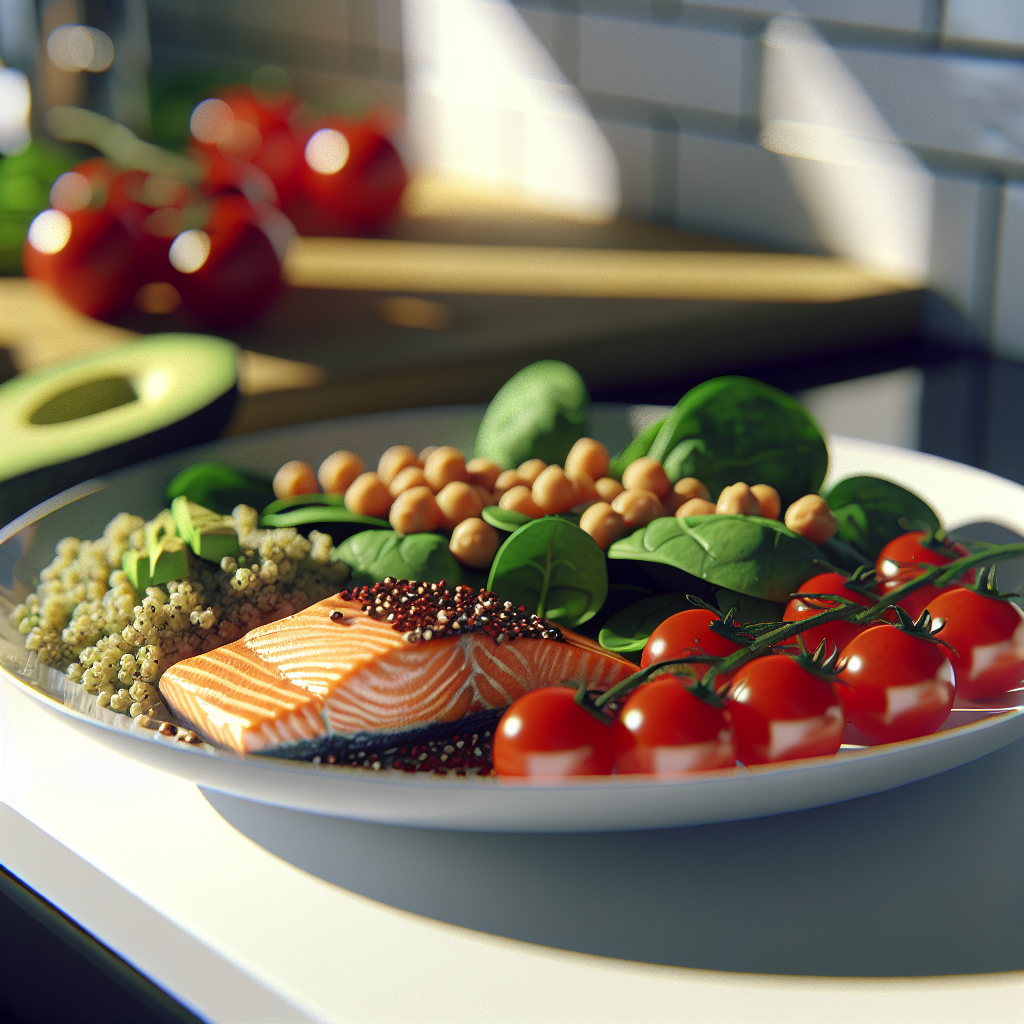
Meal idea: A Mediterranean-inspired bowl with grilled salmon, quinoa, cucumber, cherry tomatoes, spinach, chickpeas, and a drizzle of olive oil with lemon dressing.
Foods to Limit or Avoid on a Prediabetes Diet Plan
Eating with awareness is key. While occasional treats are acceptable, frequent consumption of the following items can raise blood sugar levels and hinder progress:
- Sugar-Sweetened Beverages: Sodas, sweetened teas, energy drinks, and fruit juices rapidly increase blood glucose. Choose water, herbal teas, or sparkling water with citrus instead.
- Refined Grains: White bread, traditional pasta, white rice, and pastries lack fiber and have a high glycemic load. Replace them with whole grain or legume-based alternatives.
- Packaged Snack Foods: Chips, crackers, candy, and baked goods are typically high in added sugars and processed fats. Choose raw veggies, roasted chickpeas, or unsalted nuts as healthier options.
- Saturated and Trans Fats: Limit high-fat meats, processed sausages, and baked goods containing hydrogenated oils, which can increase LDL cholesterol and cardiovascular risk.
- High-Sodium Items: Too much sodium can raise blood pressure. Watch out for frozen entrees, canned soups, processed meats, and fast food. Aim for under 2,300 mg of sodium per day—or follow your provider’s recommendations.
- Alcohol (in excess): Alcohol can disrupt blood glucose regulation and interact with medications. If you drink, limit yourself to one drink per day (women) or two (men), and always consume it with food.
Meal Planning Tips to Support Prediabetes Management
Managing blood sugar is not just about what you eat, but also when and how you eat. These strategies help maintain energy, reduce cravings, and support your prediabetes diet plan:
- Use the Plate Method: Fill half your plate with non-starchy vegetables, one-quarter with lean protein, one-quarter with a complex carbohydrate, and add healthy fats such as nuts or olive oil.
- Stick to Regular Meal Times: Eating balanced meals every 3–5 hours can prevent blood sugar spikes and dips. Avoid skipping meals, as this may increase insulin resistance over time.
- Choose Smart Snacks: If there’s a long gap between meals, choose snacks such as a small apple with almond butter or plain Greek yogurt with berries to maintain stable glucose levels.
- Understand Carbohydrate Portions: While carb counting isn’t always required, being aware of carbohydrate amounts (typically 30–60g per meal depending on your needs) can aid decision-making. Consult a dietitian to determine your personal target.
Helpful Tools to Support Your Prediabetes Diet Plan
Adopting a prediabetes-friendly lifestyle is easier with the right tools. These resources can streamline your routine and support ongoing progress:
- Glucometer: Monitoring your blood glucose 1–2 hours after meals gives insight into how foods affect you. Ideal post-meal readings are generally below 140 mg/dL.
- Food Logs or Apps: Keeping a journal or using an app like MyFitnessPal or MyNetDiary helps track meals, blood sugar levels, and habits for better awareness.
- Meal Prep: Preparing food in advance reduces the temptation to opt for less healthy choices. Cook grains, proteins, and vegetables in batches for quick meal assembly.
- Grocery Planning: Shop with a list and prioritize perimeter items such as produce, lean meats, and dairy. Skip the inner aisles packed with processed foods.
- Professional Guidance: Many health insurance plans cover medical nutrition therapy for prediabetes. A registered dietitian can create a plan tailored to your specific health profile and preferences.
Some people may also benefit from digital tools like continuous glucose monitors (CGMs), which provide real-time glucose feedback. These are increasingly used in prediabetes research and care. Ask your provider whether technology can support your individual goals.
Empowering Your Journey Toward Better Health
Starting a prediabetes diet plan doesn’t mean giving up your favorite foods—it means making intentional, sustainable choices that support your well-being. Each healthy swap, consistent meal, and mindful decision adds up to long-term success. Focus on fiber-rich foods, balanced portions, and regular eating patterns to stabilize blood sugar and energy levels.
Progress, not perfection, is the key. With reliable information, strategic tools, and support from your healthcare professionals, you can take control of your health and reduce your risk of developing type 2 diabetes. Your journey to a healthier future begins with the next bite.