When evaluating blood sugar spikes causes, most people immediately think of sugar and carbohydrates. However, unexpected spikes can occur even in the absence of sweets or starchy foods. Stress, hormones, medications, hydration, and lifestyle habits all play a role in unpredictable glucose fluctuations. Understanding these lesser-known triggers is essential for effective diabetes management and long-term health.
Stress and Anxiety: Hidden Drivers of Blood Sugar Spikes
Psychological stress is a commonly ignored yet significant contributor among blood sugar spikes causes. Whether it stems from work deadlines, financial strain, or personal relationships, stress activates the body’s fight-or-flight response. During this reaction, adrenal hormones like cortisol raise glucose by prompting liver sugar production.
Short bursts of stress, such as preparing for a presentation or attending a medical appointment, can produce noticeable increases in glucose readings—especially in individuals with Type 1 or Type 2 diabetes. Mindfulness techniques like guided meditation or breathing exercises have been shown to lower A1C levels in long-term studies.
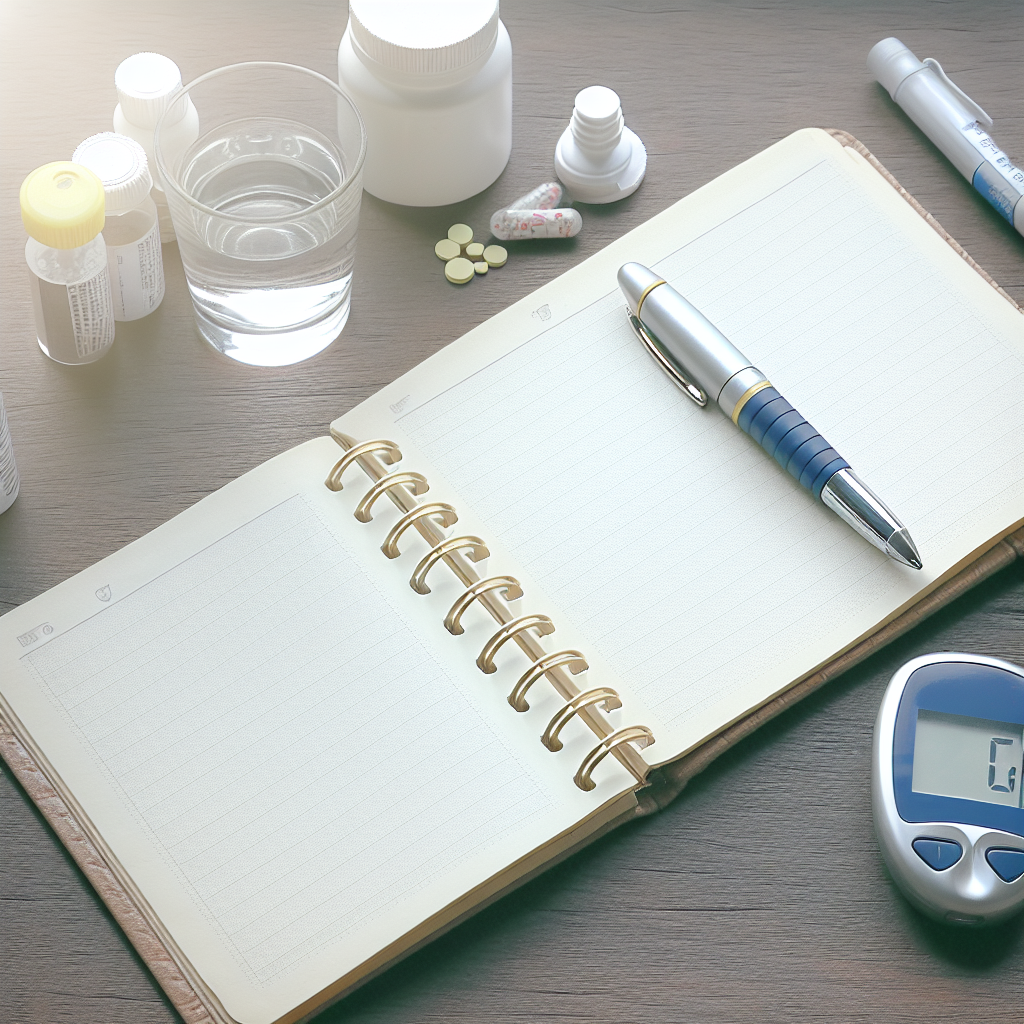
To identify patterns, track your mood and major life events alongside CGM or blood glucose meter data. This simple record can reveal correlations and help you anticipate how emotional factors affect your daily management.
Sleep Deprivation and Circadian Disruption
A lack of quality sleep can alter insulin sensitivity and raise blood sugars. Just one night of sleep under five hours can impair your body’s ability to regulate glucose, leading to the dawn phenomenon—early-morning blood sugar spikes without any food intake.
Studies from the American Diabetes Association confirm that blue light exposure, inconsistent sleep schedules, and conditions like sleep apnea disrupt circadian balance, creating hidden blood sugar spikes causes. These disturbances undermine your body’s natural glucose control mechanisms.
To improve stability, aim for consistent sleep and wake times, limit caffeine after midday, and create a calming bedtime routine. If sleep apnea is a concern, seek an evaluation. Treatments like CPAP can significantly reduce fasting glucose outcomes.
Illnesses and Infections Raise Blood Sugar Behind the Scenes
When you’re sick, your immune system raises stress hormones, such as cytokines and cortisol. These hormones cause your liver to release glucose, leading to blood sugar elevations even with low appetite or reduced food intake.
Common culprits include UTIs, colds, the flu, and dental infections—all of which can generate hidden blood sugar spikes causes. These effects are more pronounced in older individuals or those with a weakened immune response.
Monitor trends closely with a CGM during illness. Adjust insulin or oral medications with your provider as needed. A sick-day diabetes plan that covers hydration, blood glucose correction, and ketone testing (for those with Type 1) is essential.
Medications That Push Blood Sugar Higher
Some prescription and over-the-counter medications can increase glucose levels, often without warning. These hidden blood sugar spikes causes can catch even experienced patients off guard.
- Steroids: Used for inflammation or autoimmune issues, steroids like prednisone promote glucose production by the liver.
- Decongestants: Pseudoephedrine in cold medicines may raise both blood pressure and sugar.
- Antibiotics: The fluoroquinolone class has been linked to glucose disturbances in sensitive individuals.
- Psychotropic medications: Certain antidepressants and antipsychotics can alter insulin action and appetite control.
Always disclose your diabetes diagnosis when prescribed new medications. If you notice hyperglycemia after starting a new drug, consult your care team for possible alternatives or dosage adjustments.
Hydration Matters: Dehydration and Electrolyte Loss
Low fluid intake concentrates glucose in your bloodstream, especially during hot weather or physical exertion. Since water helps regulate internal glucose levels, dehydration is a subtle contributor among blood sugar spikes causes.
Feeling unusually thirsty can be your body’s way of signaling elevated sugar. Additionally, reduced hydration affects digestion and insulin absorption rate, leading to inconsistent blood sugar control.
Aim for about 64 ounces (8 cups) of water daily, adjusting for activity and climate. Use low-sugar electrolyte drinks when ill or exercising intensely to maintain proper balance without overloading on sugar.
Exercise That Spikes Instead of Stabilizes
Although physical activity typically reduces blood sugar, intense workouts—such as weight training, HIIT, or sprinting—can cause temporary spikes. These short-term changes are due to adrenaline release, which triggers the liver to dump glucose into the bloodstream.
This effect is common in Type 1 diabetics and can lead to confusion when sugars rise despite being physically active. A delayed drop often follows, creating challenging highs and lows.
Use a CGM to identify how various exercises impact your levels. Try starting with steady-state aerobics, adjust insulin as needed, and log your response patterns. Personalizing your workout routine can prevent exercise-related fluctuations.
Skipping Meals: A Counterproductive Strategy
Skipping meals or delaying food to lose weight can backfire. Fasting may initially lower sugar, but rebound hyperglycemia can occur as your body releases hormones that raise blood glucose levels rapidly.
Worse, skipping meals may trigger overeating later, often involving calorie-dense or high-carb foods. These behaviors create unpredictable blood sugar spikes causes that appear unrelated to diet but stem from irregular patterns.
Eat balanced meals at regular intervals. Include protein, fiber, and lean carbs to maintain steady glucose throughout the day. Structured mealtimes offer the best foundation for stability.
Fluctuating Hormones and Blood Sugar Variability
Hormonal changes impact glucose metabolism significantly, especially in women. Monthly cycles, perimenopause, and menopause bring insulin resistance shifts that may cause unexplained spikes.
During the luteal phase, insulin resistance naturally rises, creating elevated readings. As estrogen and progesterone fluctuate in menopause, weight gain and glucose instability become more common.
Use a tracking app or journal to log hormonal symptoms alongside glucose trends. Professional guidance from a diabetes educator or endocrinologist who specializes in women’s health can provide personalized solutions.
Gut Health and Digestive Irregularities
Your digestive system affects how your body absorbs glucose. Conditions like gastroparesis (delayed stomach emptying), IBS, or microbiome imbalance can lead to delayed or erratic sugar spikes—even when eating the same meals.
These disruptions make it harder to time insulin and medications accurately. Symptoms such as bloating or irregular bowel movements may indicate hidden dysfunction affecting glucose control.
Coordinate with a dietitian who understands both diabetes and gastrointestinal health. Strategies like probiotic foods, hydration, and mindful eating can enhance digestion and improve glucose predictability.
Understanding the Full Scope of Blood Sugar Triggers
The causes of high blood sugar go far beyond sweets and carbs. Hidden blood sugar spikes causes include stress, sleep quality, hydration levels, hormone cycles, medication interactions, and digestive health. Recognizing these patterns empowers you to take control, fine-tune your management strategies, and reduce frustrating glucose surprises.
By monitoring glucose trends, adjusting daily habits, and partnering with a knowledgeable healthcare team, you can find clarity in the complexity and achieve better long-term outcomes in your diabetes journey.