
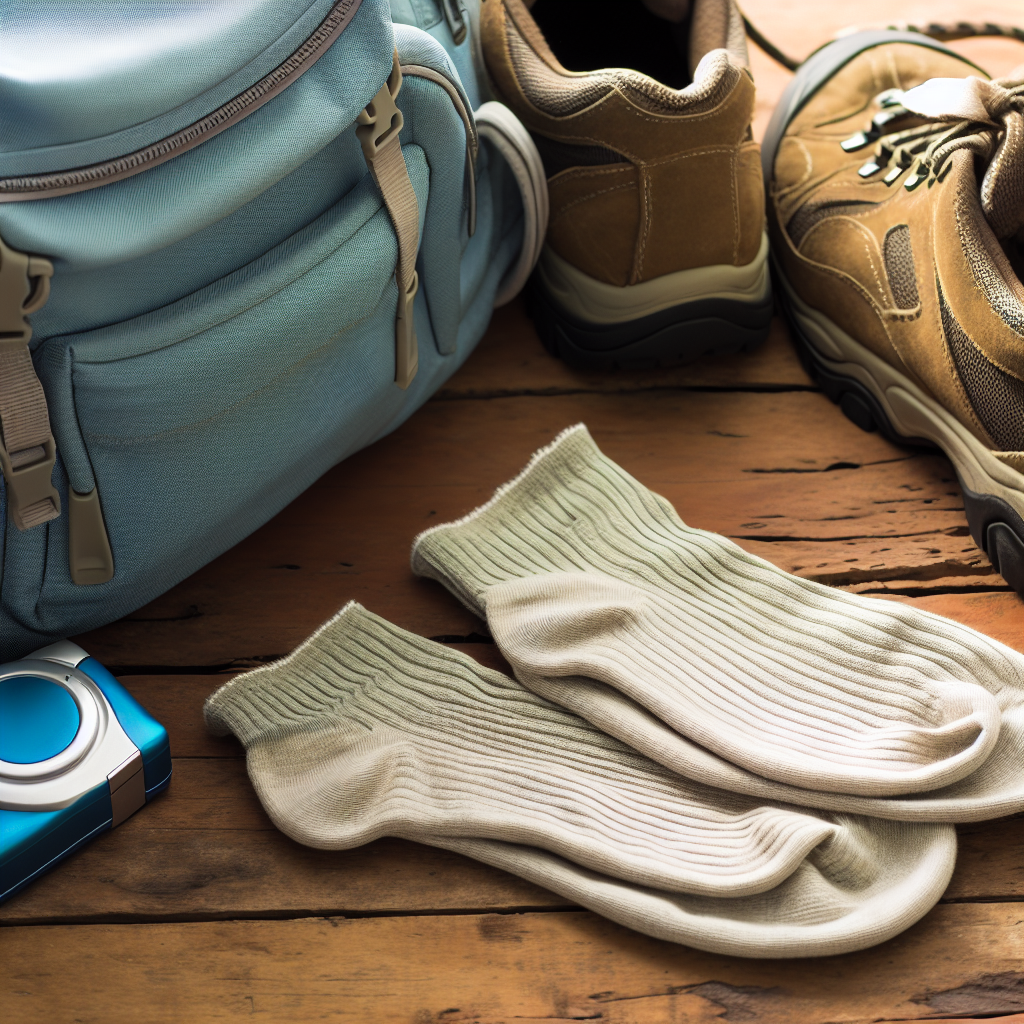
Why Diabetic Socks Are a Travel Essential
Diabetic socks are a must-pack item for every traveler managing diabetes. These specialized socks help reduce foot pressure, wick away moisture, and improve circulation—three vital factors to prevent ulcers, blisters, and infections, especially during long journeys. Whether you’re trekking Peru’s Sacred Valley or strolling through Tokyo’s bustling shopping streets, choosing the right socks is as important as good walking shoes.
Unlike regular socks, diabetic socks feature a seamless design, non-binding tops, and breathable, moisture-wicking materials. These design elements help minimize rubbing and friction, reduce risk of skin breakdown, and keep your feet dry and healthy day after day. For travelers with diabetes, these benefits mean fewer interruptions and a safer, more enjoyable travel experience.
Stay Dry Across Changing Climates
Controlling moisture is one of the most important features of diabetic socks. Wet socks—whether from sweat, rain, or high humidity—can quickly lead to fungal infections or foot ulcers. Brands like Dr. Scholl’s Advanced Relief Diabetic Socks use moisture-wicking properties to help keep your feet dry, even in tropical regions like Cartagena, Colombia, or Chiang Mai, Thailand.
If trekking in Iceland’s lava fields or Nepal’s rain-soaked forests, you’ll need socks made of bamboo, wool blends, or fast-drying polyester microfibers. These materials minimize bacterial growth and reduce odor. In high-altitude cities like Cusco, local alpaca-blend diabetic socks from shops such as Mercado Inka offer added warmth and comfort for cooler mornings.
Planning hikes across varying altitudes—such as volcano trails in Guatemala or viewpoints in Cape Town? Avoid cotton. Cotton absorbs moisture and dries slowly, increasing risk of blisters. Stick with advanced yarn blends in diabetic socks that support temperature regulation and rapid drying for all-day comfort.
Support Circulation During Long Travel Periods
Extended travel—flights, train rides, or long drives—can reduce circulation. For people with diabetes, this increases the risk of swelling, numbness, or even neuropathy flare-ups. Compression-style diabetic socks offer mild support (8–15 mmHg), promoting blood flow without restricting movement.
Travelers on Southeast Asia’s overnight buses or Europe’s scenic railways recommend diabetic socks from reputable brands like Jobst or Orthofeet. These socks combine light compression with cushioning, preventing foot fatigue on long transport days. In Spain, locals suggest visiting Farmàcia Internacional near Barcelona’s La Rambla for comfortable, fashion-forward diabetic socks ideal for full-day sightseeing on foot.
If you’re road-tripping through U.S. national parks, keep an extra pair in the glove box. Rangers at Great Basin National Park advise changing diabetic socks mid-day in dry climates to prevent dehydration-related foot issues and maintain foot health.
Protect Your Feet on Hiking Trails
Whether you’re walking the Camino de Santiago or tackling the Inca Trail, protecting your feet from blisters and cuts should be a priority. Diabetic socks feature smooth interiors, no raised seams, and cushioned soles to prevent friction-induced skin breakdown. Brands like Thorlos produce hiking-specific diabetic socks ideal for uneven terrain.
In New Zealand’s rugged South Island, local hiking guides recommend layering diabetic socks with COOLMAX liner socks for added friction protection and insulation on frosty mornings. Always pack at least two extra pairs of quick-dry diabetic socks when hiking through wet zones like Fiordland, where sudden weather changes are the norm.
Inspect your feet regularly after hikes, particularly in sharp, rocky regions such as the Big Island’s volcanic terrain. Light-colored interiors in some diabetic socks can help you spot early signs of blisters or infection—essential when traveling far from medical care.
Family Travel: Socks That Work for All Ages
From seniors touring Kyoto’s historical sites to kids exploring Parisian playgrounds, diabetic socks provide comfort and injury protection across generations. Though marketed mostly to adults, younger travelers also benefit from cushioned soles, seamless construction, and reduced friction. In Prague and Vienna, pharmacies often stock youth sizes like CareStep Silver Diabetic Socks for Kids, catering to children with juvenile diabetes.
Older adults navigating cobbled streets or taking walking tours—like those in Lisbon or Florence—can benefit from diabetic socks that offer arch support and extra padding. These socks reduce arch pain and help manage symptoms of neuropathy when paired with orthopedic or breathable shoes.
On warmer days in beach towns like Sanibel Island or St. Augustine, choose diabetic socks with ventilation panels and antimicrobial threads to curb bacteria and odor buildup. Many locals recommend using a light foot powder inside your socks before walks to further control moisture—especially useful during summer family vacations.
Find Diabetic Socks Abroad
Forgot to pack a pair? Don’t worry—high-quality diabetic socks are available in pharmacies and specialty stores around the globe. In Germany, try Apotheke zur Rose in Munich for reliable options. Traveling in Australia? Chemist Warehouse stocks local brands like Lightfeet, perfect for exploring the Blue Mountains or Sydney’s coastal walks.
Stop by Watsons or Guardian pharmacies in Malaysia, Thailand, or Singapore for travel-friendly diabetic foot care kits, which include socks, insoles, and antiseptic sprays. In Canada, explore London Drugs for breathable merino diabetic socks—ideal for Montreal’s stone streets or hiking in Banff.
While U.S. airport shops rarely carry them, large pharmacy chains near airports do. If flying out of busy hubs like O’Hare or LAX, order ahead from Walgreens or CVS to pick up diabetic socks before your flight, minimizing travel-day stress.
How to Maximize Comfort with Diabetic Socks
- Pack at least three pairs: One to wear, one drying, one backup.
- Choose by activity: Use crew-cut for hikes, ankle-cut for city walks, and compression socks for transit.
- Wash daily: Most diabetic socks dry quickly overnight when rinsed thoroughly.
- Monitor sock condition: Replace any with worn-out heels, stretched tops, or thinning fabric.
- Use supportive footwear: Pair socks with orthopedic or breathable mesh shoes for full protection.
- Manage moisture: Add foot powder or drying inserts, especially in tropical or humid destinations.
Step Confidently With Every Adventure
Good foot health shouldn’t limit your travel. With the right pair of diabetic socks, you can explore confidently—from Morocco’s souks to Norway’s fjords. These socks offer more than comfort; they provide peace of mind. Prioritize preparation, listen to trusted locals, and don’t underestimate the impact of proper socks on your overall experience. When your feet feel good, the entire world is easier to explore—step by step.